Tea and Cake Pairing: A Guide to Getting It Right

You have made a cake, or bought one, or someone has left half a Victoria sponge in the kitchen and you are about to do the decent thing. Now you need tea. Not any tea: the right tea, the one that makes the cake taste better and the cake return the favour. Tea and cake pairing is one of those things that sounds fussy until you try it, then feels obvious. Match a malty Assam to a dense chocolate sponge and both come alive. Pour a delicate Darjeeling alongside the same chocolate and the tea vanishes. The principle is simple: balance strength with strength, lightness with lightness, and let one echo or contrast the other.
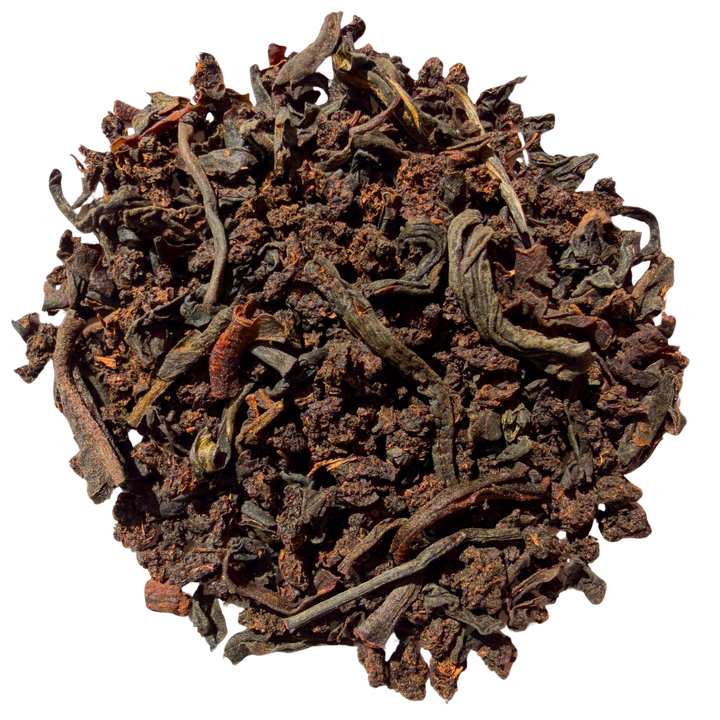
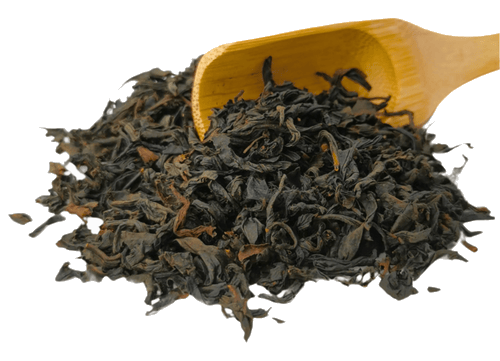
The tea in this guide: Bukhial Assam TGFOP from £4.40 Shop it →
The best pairings follow two paths. You can echo flavours, putting spiced chai alongside a carrot cake full of cinnamon, or you can contrast them, cutting a buttery lemon tart with the bright bergamot of Earl Grey. Both work. What does not work is ignoring the weight of the cake entirely: a featherlight sponge needs a gentler tea, while a stout Christmas fruit cake wants something brisk enough to stand up and be counted.
At a glance
- Match tea intensity to cake richness: bold tea for dense cake, light tea for delicate sponge
- Black tea tannins cut sweetness and refresh the palate between bites
- Echo pairings share flavour families; contrast pairings use opposites
- Assam and English Breakfast suit chocolate, fruit and coffee cakes
- Earl Grey lifts citrus bakes; chai complements spiced and carrot cakes
- Brew at the right temperature: black tea around 95°C, green tea 65–75°C
Why tea and cake work together
There is actual chemistry here, not just tradition. Black tea contains tannins that bind to fats and proteins in your mouth, a gentle astringency that cuts sweetness and refreshes the palate between bites. That is why a milky cuppa feels cleansing after a mouthful of buttery sponge. The richer the cake, the more you need that refreshing quality, so you reach for a stronger, more tannic brew.
This is also why very creamy cakes, such as a thick slice of Black Forest gateaux or an éclair bursting with Chantilly, often pair better with tea taken without milk. The cake already supplies the dairy fat, so adding more in your cup can muddle the balance.
What cake goes with tea? A quick reference
The table below gives you a starting point. These are not rules, just reliable pairings drawn from tasting experience and patisserie pairing guides. Adjust to your own taste: if you prefer a stronger brew with your sponge, nobody will stop you.
| Cake | Tea pairing | Why it works |
|---|---|---|
| Victoria sponge | Darjeeling, Ceylon or light English Breakfast | Light tea does not overwhelm the gentle vanilla and jam |
| Chocolate cake | Assam, English Breakfast or Irish Breakfast | Malty, full-bodied tea cuts richness and echoes cocoa depth |
| Lemon drizzle | Earl Grey | Bergamot citrus echoes the lemon |
| Carrot cake | Chai or spiced black tea | Cinnamon, ginger and clove in both |
| Fruit cake | Strong Assam or malty breakfast blend | Malt echoes dried fruit; extra astringency handles density |
| Coffee and walnut | Strong English Breakfast | Bold tea stands up to coffee notes |
| Ginger cake | Chai or a brisk Yorkshire-style black | Warmth meets warmth, or astringency contrasts spice |
| Battenberg | Earl Grey or Ceylon | Bergamot lifts the marzipan sweetness |

Pairing by tea type
Black tea
Black tea is your workhorse here. A full-bodied Bukhial Assam or a proper English Breakfast can handle chocolate fondant, brownies, dense fruit cake and anything else that would flatten a lighter brew. If the cake has coffee or walnut, go stronger still: Irish Breakfast brings a stout-like richness that holds its own.
For lighter sponges and Victoria sandwiches, step back to a Clocktower Afternoon Blend or a single-origin Ceylon. The tea should complement, not compete.

Black Tea
A malty Assam with plenty of body and a gently peaty finish. Happy with a splash of milk.
Have a lookEarl Grey and citrus cakes
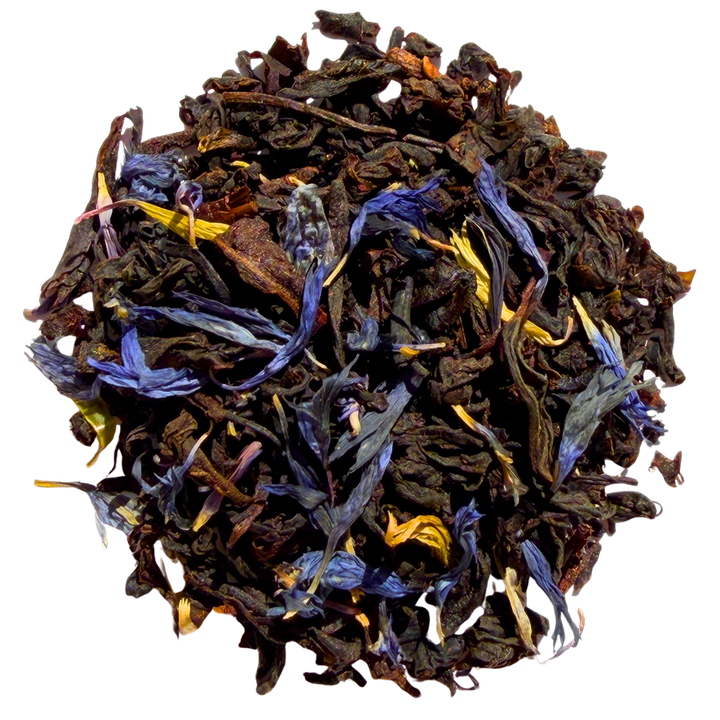
Earl Grey's bergamot is a natural partner for lemon drizzle, orange cake and citrus tarts. The pairing is an echo: citrus in the tea, citrus in the cake. Classic Earl Grey keeps it clean and bright; Cream Earl Grey adds a vanilla-like softness that suits richer citrus bakes with buttercream. Earl Grey also suits vanilla buttercream cakes and fruity tarts, anywhere the tea's fragrance can shine without fighting heavy sweetness.
Chai and spiced cakes
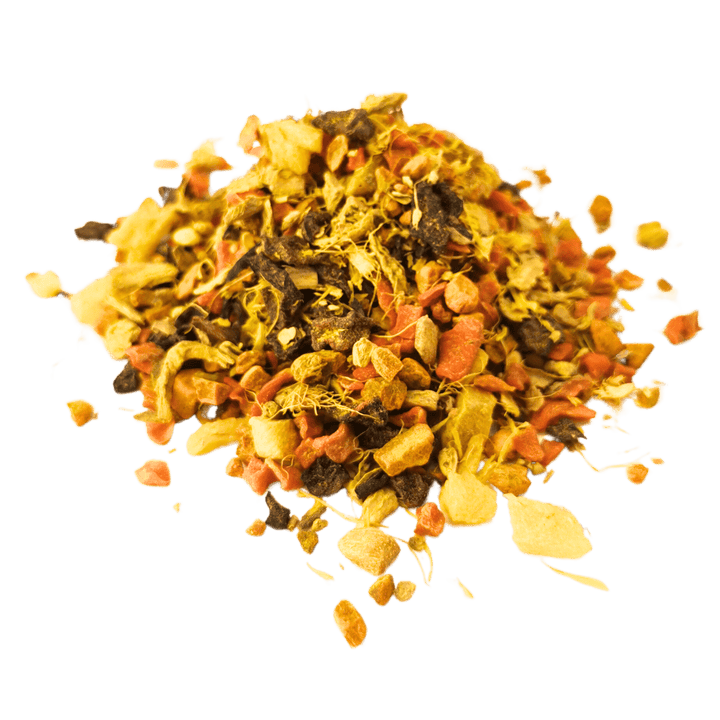
Carrot cake, ginger cake, spiced apple loaf: anything with cinnamon, cardamom or clove echoes the warming spices in chai. Jasmine Masala Chai brings those spices with a floral lift, or you can brew a plain chai blend and add a splash of milk. Cinnamon, ginger and clove in chai echo the warm, earthy flavours in carrot cake, a technique sometimes called an echo pairing.
Green tea
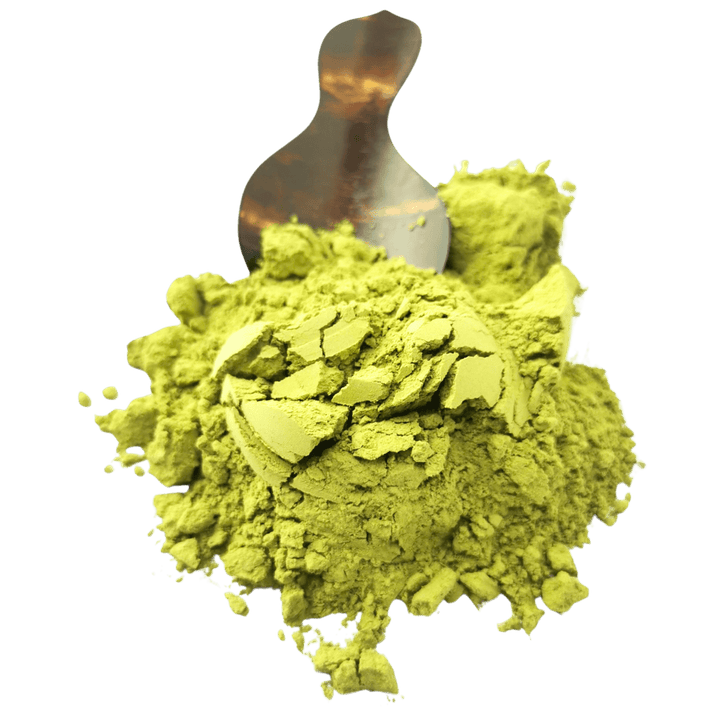
Green tea suits lighter sweets: dry biscuits, plain sponge, a simple Breton shortbread. Its grassy, vegetal notes can also create a pleasing contrast with salted-butter caramel or white chocolate. Matcha, being bolder and slightly bitter, pairs well with rich shortbread or strawberry cheesecake, the butter or cream balancing the tea's intensity.
White and floral teas
Delicate white teas and jasmine-scented greens suit vanilla sponge, panna cotta, light fruit mousse and anything with pear or peach. Do not pair them with very rich or buttery cakes: the tea will disappear.
How to brew tea for cake pairing
Getting the brew right matters as much as choosing the tea. A weak Assam will not cut through chocolate, and an over-steeped green tea turns bitter and throws off the balance.
- Use freshly boiled water for black tea, around 95°C. For green and white teas, let the kettle cool to 65–75°C.
- Use one teaspoon of loose leaf per cup, or follow the dose on the packet.
- Steep black tea for 3 to 5 minutes, green tea for 2 to 3 minutes. Taste before the maximum time; you can always steep longer, but you cannot unstew tea.
- Strain completely. Leaving leaves in the pot makes the second cup bitter.
- Decide on milk before you pour. With creamy cakes, try the tea black first. With drier cakes, a splash of milk can add a welcome softness.
Common mistakes in tea and cake pairing
The biggest error is ignoring intensity. A delicate white tea next to a heavy brownie is a mismatch: the tea vanishes and you are left wondering why you bothered. Equally, a strong Assam alongside a light sponge can bully the cake into submission.
Another mistake is over-steeping. A bitter, over-brewed cup clashes with sweetness rather than cutting it. If your pairing feels off, check your timing before blaming the combination.
Finally, do not assume flavoured or heavily smoked teas work with rich cakes. Lapsang Souchong can suit milk chocolate, but its campfire character may clash with dense fruit cake or cream-heavy gateaux. Taste first, pair second.

Black Tea
Black tea with fragrant bergamot citrus. A bright, familiar cup for your afternoon break.
Have a lookDessert tea: when the tea is the pudding
Sometimes you want the flavour of cake without the calories, or you have already had a slice and want the taste to linger. Dessert-inspired teas fill that gap. Black Forest Gateaux tea brings cocoa and cherry to a black tea base, dry rather than sweet, a good partner for plain biscuits or on its own after dinner. Tiramisu combines coffee, cocoa and black tea for a pudding-trolley effect without the mascarpone. Mint Choc Chip adds cooling mint to chocolatey black tea, brilliant iced on a warm afternoon.
These teas are not meant to replace cake, but they extend the dessert experience. Pair Black Forest Gateaux tea with a plain shortbread and you get the contrast of dry cocoa-cherry against buttery biscuit, a lighter ending to a meal.

Black Tea
Black tea with cocoa richness and a fruity cherry note. A little pudding with your afternoon cup.
Have a lookA short history of tea and cake
Afternoon tea, the ritual of tea served with sandwiches and cakes between lunch and dinner, is often credited to Anna Maria Russell, the Duchess of Bedford, in the 1840s. She complained of a 'sinking feeling' in the late afternoon and began taking tea with small cakes in her rooms. The habit spread through aristocratic circles and eventually became a national custom. By the early twentieth century, tearooms across Britain offered afternoon tea to anyone with a shilling and a spare hour.
The pairing of tea with cake is not uniquely British, of course. Japanese tea ceremonies have long included wagashi, delicate sweets designed to balance the bitterness of matcha. French patisserie houses now pair their pastries with carefully chosen teas. But the British tradition of a pot of strong black tea alongside a slice of something sweet remains one of the most reliable small pleasures going.
What to try next
If you are building a tea cupboard for cake pairing, start with a solid English Breakfast for richer bakes, a Classic Earl Grey for citrus cakes, and a Bukhial Assam for anything with chocolate. For spiced cakes, Jasmine Masala Chai brings warmth and a floral twist.
Not sure where to begin? The Breakfast Tea Tasting Box lets you compare five strong black teas side by side, all of which take milk and suit a range of cakes. The Earl Grey Tasting Box does the same for bergamot lovers. Or try the Tea Finder and answer a few questions to find your match.
For recipes, our Earl Grey loaf cake and raspberry lemon verbena tea cake are both designed to pair with loose leaf tea, which feels a bit circular but works beautifully.
Order loose leaf tea from our black tea collection or browse the full range. We offer free UK delivery on orders over £35. You are also welcome to call into the shop in Byram Arcade, Huddersfield, smell the teas, and ask what we would pair with whatever you are baking.
Frequently asked questions
What cake goes with tea?
Almost any cake pairs well with tea if you match intensity. Light sponges suit Darjeeling or Ceylon; rich chocolate cakes want Assam or English Breakfast. Citrus cakes echo Earl Grey's bergamot, and spiced cakes share flavour notes with chai. The key is balance: bold tea for bold cake, gentle tea for delicate bakes.
What is the best tea pairing for chocolate cake?
A malty, full-bodied black tea such as Assam or English Breakfast works best. The tannins cut through the richness and the malt echoes the cocoa depth. Avoid delicate green or white teas, which tend to disappear beside dense chocolate.
Does Earl Grey go with cake?
Yes, especially citrus cakes. The bergamot in Earl Grey echoes lemon drizzle, orange cake and citrus tarts. It also suits lighter bakes such as shortbread, madeleines and Battenberg. For richer cakes, a Cream Earl Grey adds a vanilla-like softness.
What is dessert tea?
Dessert tea is a flavoured tea designed to taste like a pudding, such as Black Forest Gateaux, Tiramisu or Mint Choc Chip. These teas offer the flavour of cake without the sugar and work well after dinner or alongside plain biscuits.
Should I add milk when pairing tea with cake?
It depends on the cake. With creamy or buttery cakes, try the tea black first; the cake supplies the dairy fat. With drier cakes, a splash of milk can soften the tea. Taste and adjust to your preference.
How long should I steep tea for cake pairing?
Black tea steeps best for 3 to 5 minutes; green tea for 2 to 3 minutes. Over-steeping makes tea bitter, which can clash with sweetness rather than complement it. Taste before the maximum time and adjust for your next cup.
Sources: Tea Off · Restaurant India