How to Make Iced Tea: A Proper Guide for Hot Days

The kettle boils, you reach for a mug, then remember it is twenty-six degrees outside and the last thing you want is a hot drink. This is the moment iced tea earns its place. Learning how to make iced tea is straightforward: brew tea stronger than usual, cool it quickly, pour it over ice. The rest is detail, but the detail matters if you want a glass that tastes of something rather than faintly tinted water.
The tea in this guide: Organic Hibiscus Tea from £3.60 Shop it →
In the United States, four out of five cups of tea are served iced. Here in Britain we are still catching up, but once you have a jug of proper homemade iced tea in the fridge, shop-bought bottles start to taste thin and over-sweet. The good news is you already own everything you need.
At a glance
- Hot-brew method: brew strong, strain, cool, pour over ice
- Cold-brew method: steep in cold water for 6 to 12 hours in the fridge
- Ratio for hot brew: 3 tablespoons loose leaf (or 6 teabags) per litre
- Ratio for cold brew: 6 tablespoons loose leaf (or 10 teabags) per litre
- Sweeten while still warm so sugar dissolves; taste before adding anything
- Keep refrigerated and drink within two days
Why homemade iced tea tastes better
Commercial iced tea often relies on flavourings and sweeteners to make up for weak tea. When you brew your own, you control the strength, the sweetness and the freshness. Whole-leaf tea brews less bitter, keeps more natural sweetness, and can be steeped multiple times, which makes it a more interesting base than heavily chopped teabag dust.
You can use any tea. Black tea gives you a brisk, full-bodied drink that stands up to ice and sugar. Green and white teas stay bright and delicate, pairing well with citrus. Roasted teas like hojicha become crisp over ice, and fruit infusions like hibiscus turn ruby-red and tart without any caffeine at all.
How to make iced tea with the hot-brew method
This is the classic approach: brew a strong concentrate, cool it, then dilute with ice. It takes about ten minutes of hands-on time, plus chilling.
- Boil fresh water. For one litre of iced tea, you need 500 ml of boiling water to start.
- Add 3 tablespoons of loose-leaf tea (or 6 teabags) to a heatproof jug or teapot.
- Pour over the boiling water and steep for 4 to 5 minutes. You want it stronger than you would drink hot, but not bitter. Taste it: it should be too strong to enjoy on its own, but not unpleasant.
- Strain into a clean jug. If using bags, remove them.
- If sweetening, stir in sugar or honey now, while the tea is still warm. A tablespoon or two per litre is a starting point; Southern-style sweet tea uses far more.
- Top up with 500 ml of cold water, or simply pour the concentrate over a jug full of ice and stir until the ice melts.
- Refrigerate until chilled, or serve immediately over fresh ice.
The Food Network's method suggests bringing 8 cups of water to a simmer, adding 3 tablespoons of loose tea, steeping for 4 minutes, then cooling and refrigerating. The principle is the same: strong brew, gentle steep, cool quickly.

How to cold-brew iced tea
Cold brewing takes longer but produces a smoother, less astringent drink. The cold water extracts less of the bitter and tannic compounds, so even cheap teabags come out surprisingly gentle.
- Combine 6 tablespoons of loose-leaf tea (or 10 teabags) with 1 litre of cold water in a jug or jar.
- Cover and refrigerate for 6 to 12 hours, or up to 36 hours for a stronger brew.
- Strain and serve over ice.
Cold brew takes patience, but you can set it up before bed and wake to a ready jug. It suits green and white teas particularly well, where hot water can scorch the leaves and turn them bitter. Bon Appétit recommends 6 to 12 hours as the sweet spot, noting that cold water extracts less flavour overall, so the longer steep compensates.

Herbal Tea
Hibiscus makes a ruby-red cup with a lively, cranberry-like tang. Try it over ice, too.
Have a lookIced tea recipe: the quick reference table
| Method | Loose leaf per litre | Teabags per litre | Steep time | Total time |
|---|---|---|---|---|
| Hot brew | 3 tablespoons (8 to 10 g) | 6 | 4 to 5 minutes | 15 to 20 minutes plus chilling |
| Cold brew | 6 tablespoons (15 to 20 g) | 10 | 6 to 12 hours | 6 to 12 hours |
| Ambient then cold | 3 tablespoons (8 to 10 g) | 3 to 5 | 1 hour at room temp, then chill | 1.5 hours |
The ambient method, suggested by Bon Appétit, splits the difference: steep in room-temperature water for an hour, then refrigerate for 30 minutes. It extracts more flavour than pure cold brew without the bitterness risk of hot water left too long.
Common mistakes when making iced tea
Brewing too weak. Tea tastes weaker when cold, and ice dilutes it further. Brew at least double the strength you would drink hot. If your iced tea tastes like slightly brown water, you did not use enough leaf.
Adding sugar after chilling. Sugar dissolves poorly in cold liquid. Stir it into the warm concentrate, or make a simple syrup (equal parts sugar and water, heated until dissolved, then cooled).
Leaving tea leaves in too long with hot water. Over-steeping extracts bitter tannins. Strain after 5 minutes at most. Cold brew is more forgiving, but hot brew punishes you for forgetting.
Not chilling promptly. Warm tea left on the counter for hours can develop off flavours. Cool it quickly with ice or refrigerate as soon as it is at room temperature. Drink within two days.
Flavour ideas for homemade iced tea
Once you have a basic jug, the variations are endless. Here are some that actually work:
Peach iced tea
Add slices of ripe peach to the jug and let them steep for a few hours in the fridge. The fruit softens and flavours the tea gently. For a stronger peach hit, muddle the slices first or add a splash of peach juice. See our full peach iced tea recipe for the details.
Lemon and mint
The classic. Stir in the juice of one lemon per litre, add lemon slices and a small bunch of fresh mint leaves. BBC Good Food's recipe adds orange slices too, which softens the sharpness.
Fruit iced tea
Slivers of pineapple, kiwi or strawberries work well. Let them soak in the tea for a few hours; the fruit absorbs the tea while the tea absorbs the fruit. You can eat the marinated pieces at the bottom of the glass.
Hibiscus iced tea
Brew Organic Hibiscus hot and strong, sweeten while warm, then chill. The result is a vivid ruby-red drink with a cranberry-like tang, naturally caffeine-free. Frozen berries make a good garnish without watering it down as fast as extra ice.

Herbal Tea
A bright fruit infusion with a generous mix of fruity flavours. Brew hot or chill for a pitcher.
Have a lookBritish iced tea versus American sweet tea
Americans, particularly in the South, drink their iced tea sweet. Properly sweet. One family recipe from Delish calls for 12 teabags, 12 cups of water and a cup and a half of sugar. The grandmother's guidance: 'take a scoop of sugar and then add a little bit more.'
British palates tend towards less sugar, or none at all. We are more likely to add a slice of lemon and call it done. Neither approach is wrong, but if you are making sweet tea for the first time, start with two tablespoons of sugar per litre and work up. You can always add more; you cannot take it out.
For a stronger base that holds up to serious sweetening, use a bold black tea like Assam or English Breakfast. Delicate green teas suit the unsweetened route.
Can you make iced matcha latte?
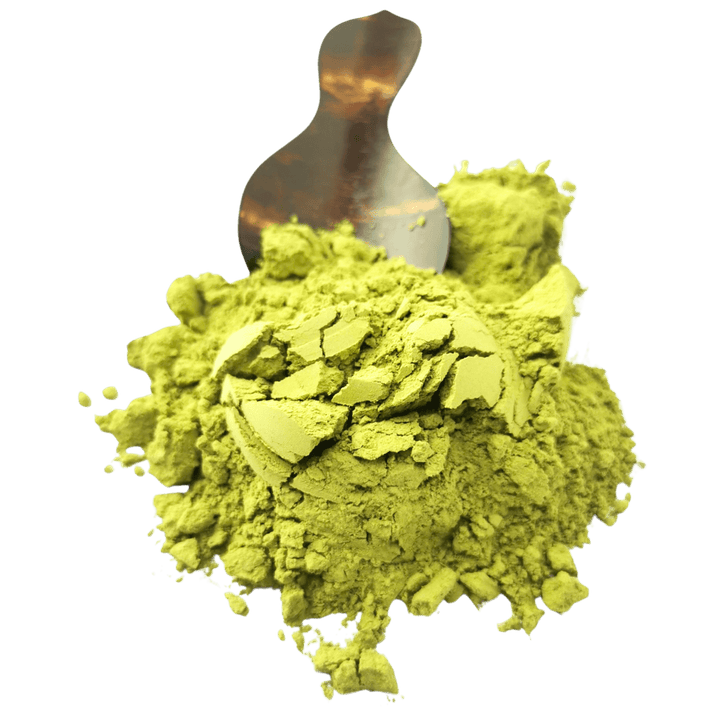
Yes, and it is one of the most searched iced tea variations. Iced matcha latte is not brewed like regular iced tea; you whisk matcha powder into a small amount of water (or shake it in a jar) until smooth, then pour over ice and top with cold milk. See our full matcha latte recipe for the method.
The same principle applies to an iced hojicha latte: brew hojicha strong, cool it, pour over ice, add milk. Both make refreshing alternatives when you want something creamier than plain iced tea.
What to try next
If you want a fruit infusion that makes brilliant iced tea without caffeine, Fruit Full gives you apple, papaya, berries and hibiscus in a bright red cup with a sweet-tart finish. Brew it double strength, chill, and pour over ice.
For pure hibiscus tang, Organic Hibiscus delivers that cranberry-like sharpness and vivid colour. It is particularly good with a touch of honey stirred in while warm.
Not sure where to start? The Fruit Tea Tasting Box gives you five caffeine-free fruit teas to compare, or try the Tea Finder to narrow it down by taste.
Order online for free UK delivery on orders over £35. Or call into the shop in Byram Arcade, Huddersfield, and we will point you towards a tea that suits your jug.

Letterbox gift
Five loose leaf fruit teas bursting with real fruit, from bramble and strawberry rhubarb to raspberry, spiced apple and hibiscus.
Have a lookFrequently asked questions
How long does homemade iced tea last?
Keep it refrigerated and drink it within two days. After that, the flavour fades and the tea can develop off notes. If you have added fruit, it may spoil faster. Make smaller batches more often rather than one enormous jug you forget about.
Can you use any tea for iced tea?
Yes. Black tea gives a brisk, full-bodied drink that takes sugar well. Green and white teas stay light and pair with citrus. Fruit and herbal infusions work too, and they are naturally caffeine-free. The key is brewing stronger than you would drink hot.
How do you sweeten iced tea without it being gritty?
Add sugar or honey to the tea while it is still warm, before chilling. The heat helps it dissolve completely. If the tea is already cold, use a simple syrup: equal parts sugar and water, heated until dissolved, then cooled. Stir it in and the sweetness will blend evenly.
What is the difference between iced tea and cold-brew tea?
Iced tea is usually hot-brewed and then chilled or poured over ice. Cold-brew tea steeps in cold water in the fridge for hours. Cold brew produces a smoother, less bitter drink but takes longer. Both end up cold; the method is the difference.
Is iced tea caffeinated?
If you make it from tea leaves (black, green, white, oolong), yes. The caffeine content depends on the tea and the steep time. If you want a caffeine-free iced drink, use a fruit or herbal infusion like hibiscus, rooibos or a fruit blend.
Sources: Bon Appétit · Food Network · BBC Good Food · Delish