Iced Tea Recipes: Fruit, Classic and Cold-Brew Ideas

A proper iced tea is one of the simplest pleasures going: tea, water, ice, maybe a slice of something citrus. Yet half the recipes online either drown it in sugar or tell you to steep for so long the result tastes like licking the inside of a tea caddy. The good news is that once you know the handful of rules that matter, you can make iced tea from almost anything in the cupboard and it will turn out better than the bottled stuff every time.
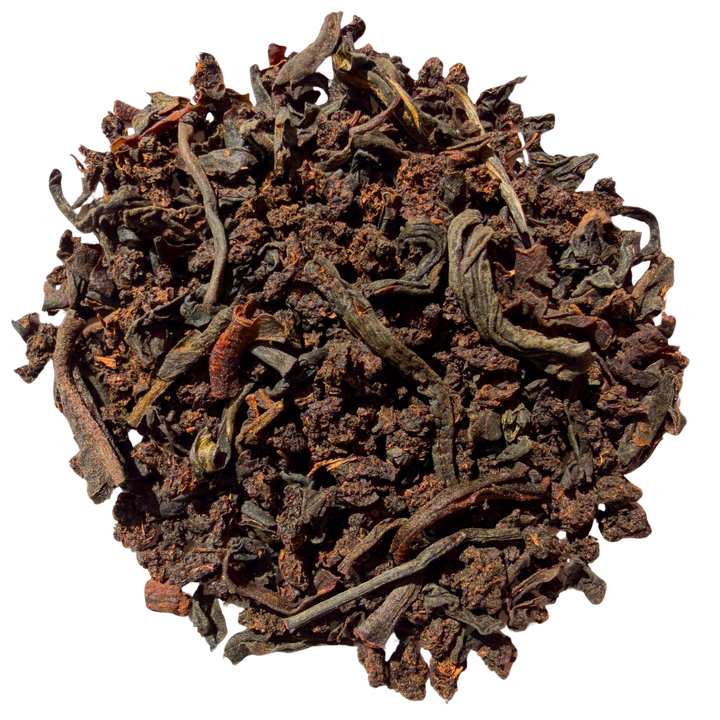
The tea in this guide: Breakfast Tea Tasting Box from £15.95 Shop it →
This is our working collection of iced tea recipes, from a classic black tea pitcher to fruit infusions that belong on a sunny afternoon. Each one includes exact times and temperatures so you can reproduce it without guesswork.
At a glance
- Black tea: steep 4 to 5 minutes in boiling water, then dilute and chill
- Green tea: use water around 80°C and steep 2 to 3 minutes to avoid bitterness
- Fruit and herbal infusions: boiling water, 5 to 7 minutes, no caffeine
- Cold-brew method: steep in cold water for 8 to 12 hours in the fridge
- Sweeten with simple syrup while the tea is still warm, or skip it entirely
- Iced tea keeps in the fridge for up to 4 days; cold-brew can last up to 2 weeks
The quick-chill method for classic iced black tea
This is the workhorse recipe, good for a jug on a Tuesday evening or a garden party. The trick is to brew a concentrate with half the water, then cool it down fast with the other half so you can drink it within the hour rather than waiting all afternoon.
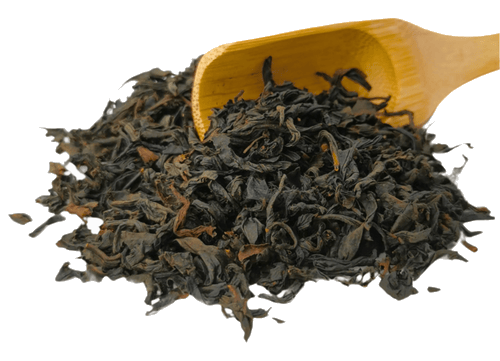
- Boil 4 cups of water and pour over 4 black tea bags (or 4 teaspoons loose leaf) in a heatproof jug.
- Steep for 4 minutes. Do not push it longer or the tannins take over and the tea turns bitter.
- Remove the tea bags or strain the leaves. Do not squeeze the bags; it releases harsh tannins.
- If sweetening, stir in simple syrup while the tea is still hot so it dissolves properly.
- Add 4 cups of cold water, stir, then refrigerate for at least an hour.
- Serve over ice with a lemon slice and a sprig of mint if you are feeling fancy.
This makes about 8 cups, enough for four generous glasses with ice. The concentrate-then-dilute approach locks in flavour before the chill dulls it, and you do not end up with weak tea once the ice melts.

Letterbox gift
Five strong loose leaf breakfast teas that all take milk, from a smooth English Breakfast to a smoky Huddersfield blend.
Have a lookFruit iced tea recipes
Fruit infusions were made for ice. They are naturally caffeine-free, often have a tangy hibiscus or rosehip backbone, and they turn a colour that makes you want to photograph them before you drink them. Here are two of our favourites.
Strawberry kiwi iced tea
Strawberry Kiwi is a blend of sweet strawberry and tangy kiwi that makes a juicy fruit infusion. The hibiscus gives it that ruby colour and a tart finish that wakes up your palate on a hot day.
- Put 2 heaped teaspoons of the blend in a mug and pour over half a mug of boiling water.
- Steep for 5 minutes, then strain into a tall glass.
- Add the same amount of cold water, stir, and pour over ice.
- Drop in a fresh strawberry slice or a thin round of kiwi if you are serving it to someone else.
Taste before you sweeten. The apple gives natural sweetness, but if the hibiscus tang is too sharp for you, a small spoon of honey softens it. Milk is not a good idea here; the fruit acidity and dairy do not get on.

Raspberry lemon verbena iced tea
Raspberry Lemon Verbena has a brighter, more citrus-forward character. The lemon verbena lifts the raspberry into something almost perfumed, in a good way.
- Brew 2 teaspoons in half a cup of boiling water for 5 minutes.
- Strain, add cold water to taste, and pour over ice.
- A thin lemon wheel floats nicely on top.
For a jug, scale up to 6 teaspoons in 500ml boiling water, steep, strain, then add another 500ml cold water and chill. It keeps in the fridge for up to 4 days.
Summer tea ideas: flavour combinations that work
Once you have the basic method, you can start playing. Here are some pairings we have tested in the shop and at home.
| Base tea | Add | Notes |
|---|---|---|
| Black tea | Fresh mint, lemon | Classic, refreshing, takes a bit of sugar well |
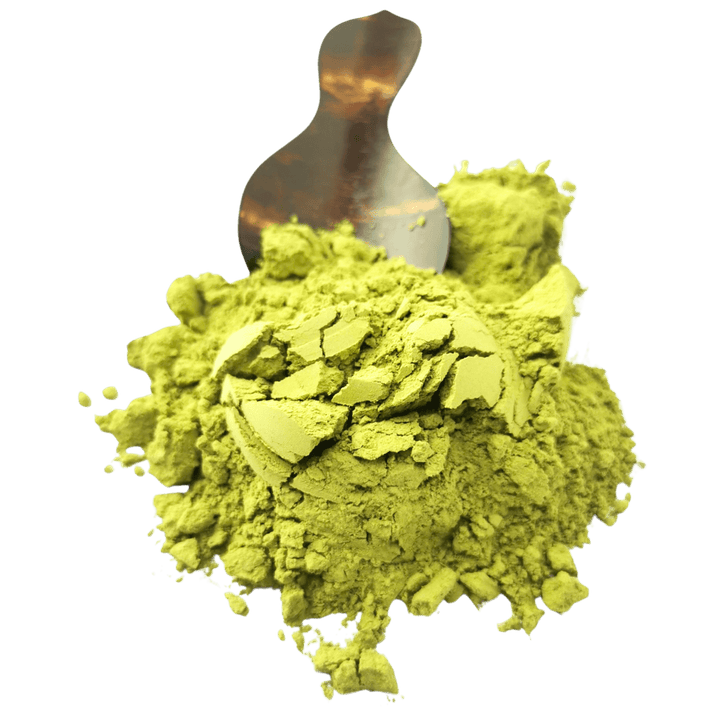
| Green tea | Cucumber, mint | Light and cooling; steep green tea gently |
| Fruit Full | Peach slices | Doubles down on the fruity sweetness |
| Hibiscus | Ginger, honey | Tangy and warming at the same time |
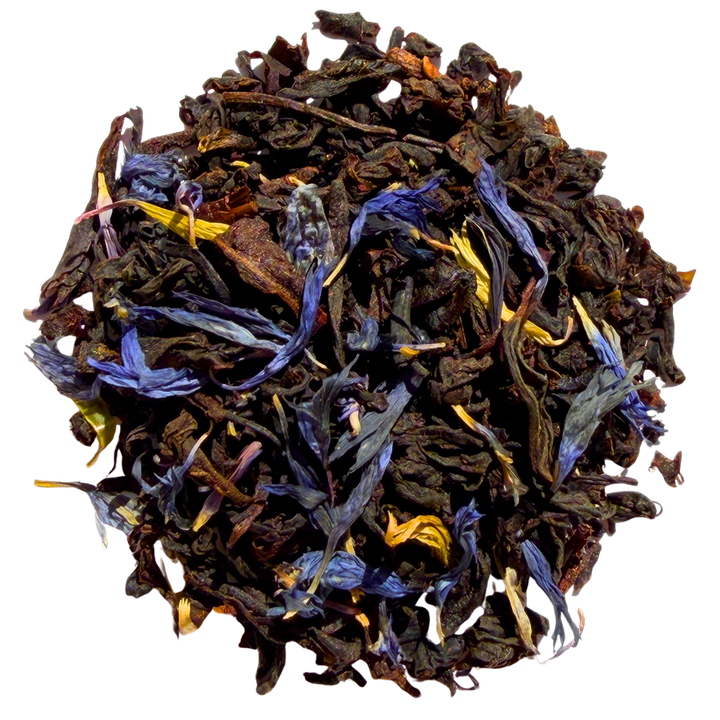
| Earl Grey | Orange slices | The bergamot and citrus get along beautifully |
If you want to infuse ginger, add thin slices to the hot tea and let them sit for about 30 minutes while it chills. Rosemary is another option, but keep it to 2 hours or less or it takes over the whole drink.

Letterbox gift
Five loose leaf fruit teas bursting with real fruit, from bramble and strawberry rhubarb to raspberry, spiced apple and hibiscus.
Have a lookCold-brew iced tea: the overnight method
Cold-brewing is the lazy cook's friend. You do the work at night, put it in the fridge, and wake up to tea that is ready to pour. Because no heat is involved, the brew comes out smoother and less tannic, even if you forget about it for a few extra hours.
- Add 4 tea bags or 4 teaspoons loose leaf to a jug with 8 cups of cold, filtered water.
- Cover and refrigerate for 8 to 12 hours, or overnight.
- Remove the tea and sweeten to taste. Honey dissolves better if you warm it slightly first.
Cold-brew black tea keeps in the fridge for up to 2 weeks if you store it in a sealed pitcher, though the flavour is best in the first few days. Herbal infusions are similar. If you want more detail on the cold-brew process, our cold-brew tea guide covers the finer points.
A quick note on sweetening
The old-fashioned Southern sweet tea approach uses about half a cup of sugar per 8 cups of tea, which is a lot. Most modern recipes land somewhere between a third of a cup and none at all. Simple syrup (equal parts sugar and water, heated until dissolved) is easier to mix into cold tea than granulated sugar, which just sinks to the bottom and sits there looking sorry for itself.
Honey, agave and maple syrup all work. If you are avoiding sugar entirely, taste the tea first; fruit infusions especially have enough natural sweetness that you might not miss it.
Common mistakes and how to avoid them
Over-steeping
Black tea steeped longer than 5 minutes turns bitter. Green tea is even more sensitive: use water around 80°C (not a rolling boil) and keep it to 2 to 3 minutes, or the cup goes harsh and grassy. Herbal teas are more forgiving, but even hibiscus gets sharper the longer you leave it.
Squeezing the tea bags
It is tempting, but squeezing pushes out bitter tannins. Just lift the bags out and let them drip.
Adding sweetener to cold tea
Sugar will not dissolve properly in cold liquid. Stir it in while the tea is still warm, or make a syrup first.
Forgetting filtered water
Tap water additives and minerals can dull the flavour. Filtered water makes a noticeable difference, especially with delicate green teas.
A bit of history: Mrs Bostwick's iced tea
One of the nicest iced tea recipes we have come across is called Mrs Bostwick's Iced Tea, from the Prouts Neck Cookbook, a collection of recipes used by women in one American family for decades. It calls for 5 black tea bags, a few sprigs of mint, a cup of sugar, 4 cups boiling water, two-thirds of a cup of fresh lemon juice, and 4 cups cold water. The mint steeps with the tea, then the whole lot is chilled and served over ice. Alexandra Stafford, who shared the recipe, notes that mint left steeping for over 4 days did not make the tea bitter or overly minty, which is reassuring if you forget about your jug at the back of the fridge.
The recipe is 'lightly lemony, slightly sweet' and was a fixture at July Fourth gatherings. Her grandmother's handwritten version is still in the family. There is something comforting about a recipe that has been passed down like that, even if you adjust the sugar to suit your own taste.
Brewing chart by tea type
| Tea type | Water temp | Steep time | Caffeine |
|---|---|---|---|
| Black tea | 100°C (boiling) | 4 to 5 min | Yes |
| Green tea | 80°C | 2 to 3 min | Yes |
| Herbal / fruit | 100°C (boiling) | 5 to 7 min | No |
| Cold-brew (any) | Cold | 8 to 12 hours | Depends on base |
What to try next
If you want to compare a few fruit infusions without committing to full pouches, the Fruit Tea Tasting Box gives you five to try side by side, including bramble, strawberry rhubarb and hibiscus. Fruit Full is a bright, generous fruit mix that works beautifully as a pitcher brew. For something with a bit more body, Fruit Rooibos adds the sweet, woody character of red rooibos to the berry notes.
Not sure where to start? The Tea Finder quiz takes about a minute and points you toward the blends that suit your taste.
Browse the full iced tea collection or call into the shop in Byram Arcade, Huddersfield, and we will talk you through the options. Free UK delivery on orders over £35, and we pack orders by hand in Huddersfield.

Herbal Tea
A bright fruit infusion with a generous mix of fruity flavours. Brew hot or chill for a pitcher.
Have a lookFrequently asked questions
How long does iced tea last in the fridge?
Iced tea brewed with the hot method keeps for up to 4 days in a sealed pitcher. Cold-brew tea can last up to 2 weeks, though the flavour is best in the first few days. Store it away from strong-smelling foods; tea absorbs odours easily. Give it a stir before serving if anything has settled.
Can I make iced tea with loose leaf instead of bags?
Yes. Use about 1 teaspoon of loose leaf per tea bag the recipe calls for. Strain through a fine-mesh sieve before chilling. Loose leaf often gives a fuller flavour because the leaves have more room to expand than they do inside a bag.
Why does my iced tea taste bitter?
Usually it is over-steeping. Black tea should steep no longer than 5 minutes; green tea needs only 2 to 3 minutes. Squeezing the tea bags also releases bitter tannins. If the damage is done, dilute with more cold water or balance with a touch of sweetener.
What is the difference between cold brew and sun tea?
Cold brew steeps in the fridge; sun tea steeps in a pitcher of water left in sunlight throughout the day. Both work, but cold brew is safer because the fridge temperature keeps bacteria at bay. Sun tea is the old-fashioned method your gran might remember from summer holidays.
Can I use herbal tea for iced tea?
Absolutely. Herbal and fruit infusions are naturally caffeine-free and often have a fruity or tangy character that suits ice. Use 5 to 6 tea bags instead of 4 because herbal blends are milder, and steep for 6 to 7 minutes. Hibiscus, mint and ginger all make excellent iced teas.
Do I have to add sugar to iced tea?
No. Taste it first, especially with fruit infusions, which have natural sweetness from apple or berry pieces. If you do sweeten, add simple syrup while the tea is still warm so it dissolves properly. Honey, agave and maple syrup are all good alternatives.
Sources: Natasha's Kitchen · Alexandra Cooks · Tastes Better From Scratch · Culinary Hill · The Busy Baker