Lemongrass Tea: Taste, Brewing and Iced Recipes

Lemongrass tea smells like summer even when it is raining sideways in Huddersfield. The infusion is bright and citrusy but not acidic, with a gentle herbal sweetness and a faint savoury note underneath that stops it tasting like squash. It is naturally caffeine-free, which makes it useful for evenings, and just as good poured over ice as it is steaming in a mug on a wet Tuesday afternoon.
The tea in this guide: Lemongrass Tea from £3.55 Shop it →
If you want something lighter and cleaner than a berry-heavy fruit infusion, lemongrass is worth a try. One teaspoon per cup, freshly boiled water, two to three minutes, no milk required.
At a glance
- Pure lemongrass leaves, no tea leaf or other caffeine source
- Bright citrus aroma with a clean herbal finish
- Naturally caffeine-free
- Brew one teaspoon per cup, freshly boiled water, 2 to 3 minutes
- Works well hot or iced; no milk needed
- Pairs nicely with ginger, mint or a little honey
What does lemongrass tea taste like?
The first thing you notice is the aroma: fresh, lemony, almost grassy. The taste follows with citrus brightness, but it is softer than lemon juice and without the sharp acidity. There is a gentle sweetness and a faint savoury edge that keeps the cup interesting rather than one-note.
Some describe the flavour as citrusy, slightly minty and uniquely aromatic. We would add that it finishes clean, leaving your mouth refreshed rather than coated. It is lighter than a black tea, less tannic than green, and nowhere near as berry-forward as hibiscus or apple blends.
Try it plain first. If you want more warmth, add a slice of fresh ginger. For a cooler edge, drop in a few mint leaves. A little honey brings out the natural sweetness if you need it, but many people prefer it just as it is.

Herbal Tea
Pure lemongrass makes a light golden cup with a fresh lemon scent and gentle herbal sweetness.
Have a lookHow do you brew lemongrass tea?
The method is simple, and the numbers matter more than any fancy technique.
- Boil fresh water and let it come to a rolling boil.
- Add one teaspoon of dried lemongrass per cup (roughly 200ml).
- Pour the boiling water over the leaves.
- Cover the mug or pot to keep the aromatic oils in the drink.
- Steep for 2 to 3 minutes.
- Strain and taste.
If the cup feels too light, use a little more lemongrass next time or steep for the full three minutes. If the herbal edge is too firm, shorten the infusion to two minutes. Covering while it steeps really does make a difference: those volatile oils carry most of the citrus aroma, and they escape quickly if you leave the mug open.

Does lemongrass tea need milk?
No. Milk does not help this cup at all. The citrus notes curdle against dairy, and the delicate herbal character gets lost. Lemongrass is best enjoyed plain or with the simple additions mentioned above.
How to make iced lemongrass tea
Iced lemongrass tea is one of the best warm-weather drinks we know. The key is making a concentrate so that the ice does not dilute your drink into something pale and tasteless.
For one tall glass
- Brew two teaspoons of lemongrass in roughly half a mug (100ml) of boiling water.
- Cover and steep for 3 minutes.
- Strain into a tall glass.
- Add cold water to fill the glass about two-thirds.
- Top with plenty of ice.
A few mint leaves or a strip of lemon peel work well as a garnish. Taste before adding lemon juice: extra acidity can overpower the softer herbal character that makes this tea more interesting than plain lemonade.
For a jug
Scale the same method up. Brew double-strength tea, cool it promptly under cold running water or in an ice bath, then refrigerate. Add sweetener while the concentrate is still warm if you want it to dissolve cleanly. Refrigerated lemongrass tea keeps for up to three days.
Lemongrass and ginger tea
This is one of the most popular combinations, and for good reason. Ginger adds warmth and a gentle spicy kick that balances the citrus brightness of lemongrass. You can make it two ways.
Method one: Brew lemongrass as normal and add two or three thin slices of fresh ginger to the pot. Let them steep together for 3 to 5 minutes.
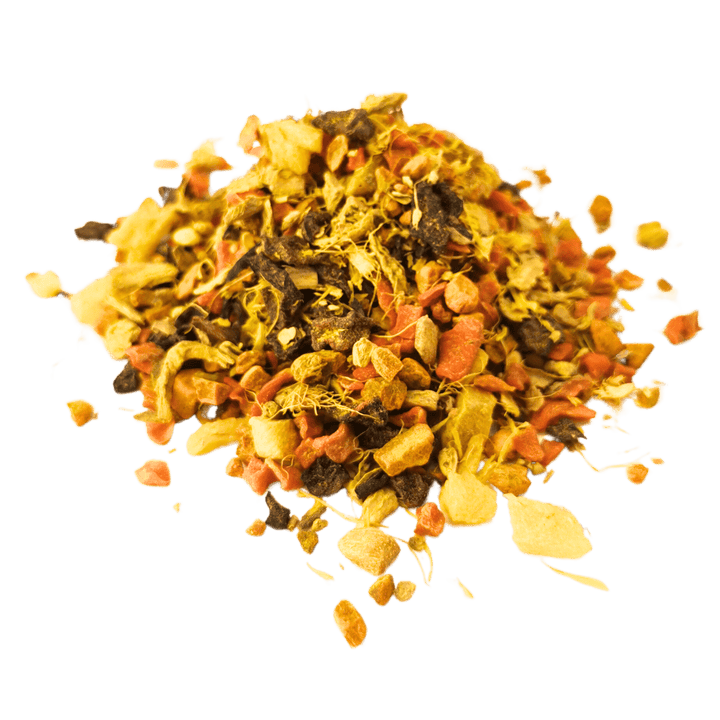
Method two: Use a ready-blended lemongrass and ginger tea. If you want something with a bit more zing, our Lemon & Ginger Tea pairs bright lemon pieces with warming ginger root for a straightforward, zingy cup.

Herbal Tea
Bright lemon and warming ginger. A straightforward, zingy cup for whenever you fancy it.
Have a lookLemongrass green tea
Adding lemongrass to green tea creates a lighter, more complex cup. The grassiness of green tea complements the citrus, and you get a gentle caffeine lift alongside the refreshing flavour.
To make it at home, brew your green tea at around 80°C for two minutes, then add a pinch of dried lemongrass and steep for another minute. Alternatively, add lemongrass to the pot from the start and keep the total steeping time to three minutes to avoid bitterness from the green tea.
Some commercial blends combine the two. One approach is to add a green tea bag after removing the pot from heat and letting them steep together.
Does lemongrass tea have caffeine?
No. Pure lemongrass is naturally caffeine-free. Unlike black tea, green tea or oolong, lemongrass is a herbal infusion made from a plant with no relation to Camellia sinensis, the tea plant. This makes it useful for evenings, after dinner, or any time you want a flavourful drink without the stimulant effect.
If you blend lemongrass with actual tea leaves, as in lemongrass green tea, you will get the caffeine content of whatever tea you add.
| Type | Caffeine | Best time |
|---|---|---|
| Pure lemongrass | None | Any time, including evening |
| Lemongrass green tea | 20 to 45mg per cup | Morning or afternoon |
| Lemongrass black tea blend | 40 to 70mg per cup | Morning or afternoon |
What does the research say about lemongrass?
Lemongrass has been used in folk medicine for centuries, particularly in Asia and Africa where the plant grows abundantly. Modern research has started to look at some of the compounds it contains, though the evidence remains limited.
According to Medical News Today, lemongrass contains chlorogenic acid, isoorientin and swertiajaponin, compounds with antioxidant properties. A 2022 review reported that animal and human studies suggest possible anti-hypertensive effects, with the compound citral thought to play a role. However, most available research is small-scale or lab-based, and much of it examines lemongrass oil rather than tea.
A 2015 study of 105 participants found that lemongrass tea increased urine output compared to other beverages, which is consistent with its traditional use as a mild diuretic.
We should be clear: lemongrass tea is a drink, not a medicine. If you have health questions, speak to your GP or pharmacist rather than a tea shop in Huddersfield. Choose lemongrass for its taste and its lack of caffeine, not because you expect it to fix anything.
A note on safety
For most people, a cup or two of lemongrass tea daily is perfectly fine. However, if you are pregnant, particularly in early pregnancy, it is worth speaking to your midwife or doctor first, as some sources advise caution. People taking blood pressure or blood sugar medication should also be aware that lemongrass may have mild effects in these areas. Start with a small amount if you have never tried it, and watch for any allergic reactions.
Common mistakes when brewing lemongrass tea
The most common mistake is not covering the cup while it steeps. Those volatile aromatic oils that give lemongrass its gorgeous citrus scent escape as steam. Put a saucer over your mug or use a teapot with a lid, and you will notice the difference immediately.
The second mistake is oversteeping in search of more flavour. Beyond four or five minutes, lemongrass can turn slightly bitter and lose its brightness. If you want a stronger cup, use more leaf rather than more time.
The third is adding milk. We have said it twice now, but it bears repeating: milk and lemongrass do not get along.
A brief history of lemongrass
Lemongrass is native to tropical Asia, where an estimated 55 species grow. The East Indian and West Indian varieties are the ones most commonly used in cooking and tea-making. The plant thrives in warm climates and has spread to Africa, South America and anywhere else with enough sun and rain.
In Thai cuisine, lemongrass is essential to soups like Tom Yum and Tom Kha Gai. The tough outer stalks go into the pot for flavour, while the tender inner parts are sliced thin for salads and stir-fries. The leaves, often discarded in cooking, are perfect for tea.
If you have a sunny windowsill or patio, you can grow lemongrass as a cut-and-come-again houseplant. It will not survive a Yorkshire winter outdoors, but it does surprisingly well in a pot brought inside before the first frost.
What to try next
If you enjoy the citrus side of lemongrass but want more warmth, Lemon & Ginger Tea pairs bright lemon with warming ginger for a zingy, straightforward cup that works hot or iced.
For a cooler, simpler herbal tea, spearmint has a softer, sweeter mint flavour than peppermint.
If you want to compare a few caffeine-free options side by side, the Caffeine-Free Tasting Box includes five herbal teas in one letterbox-friendly package: mint, chamomile, fruit and ginger.

Letterbox gift
Five caffeine-free herbal teas for evenings, after dinner or all day: mint, chamomile, fruit and ginger.
Have a lookNot sure where to start? Use the Tea Finder to narrow down what suits your taste and time of day.
Order loose leaf lemongrass tea online with free UK delivery on orders over £35. Or call into the shop in Byram Arcade, Huddersfield, and we will talk you through what is on the shelf.
Frequently asked questions
Can you drink lemongrass tea every day?
Yes. Lemongrass is naturally caffeine-free, so you can drink it as often as you like without worrying about caffeine intake. One to two cups daily is what most people enjoy. It works as an evening cup, an after-dinner drink or a daily iced tea base throughout summer.
What is the best lemongrass tea recipe?
The simplest recipe is one teaspoon of dried lemongrass per cup, freshly boiled water, steeped covered for two to three minutes. For fresh stalks, use one to two stalks chopped and lightly crushed per two cups of water, simmered gently for six to eight minutes, then strained. Add honey or fresh ginger to taste.
Is lemongrass and ginger tea good for you?
Both lemongrass and ginger have been used in traditional remedies for centuries, and some studies have looked at their compounds. However, evidence remains limited and mostly lab-based. Enjoy the combination for its warming, citrusy taste rather than expecting specific health outcomes. Speak to your GP about health questions.
Can you cold-brew lemongrass tea?
You can, but a hot concentrate works better. Cold-brewing lemongrass overnight produces a milder, less aromatic cup. For the brightest flavour, brew double-strength with hot water, strain, then cool and pour over ice. This method gives a more lively result.
What does lemongrass tea go with?
Lemongrass tea pairs well with lighter meals, salads, grilled fish or chicken, and Asian-inspired dishes. It also works as a palate cleanser between courses or as a simple afternoon drink. The citrus notes complement Thai and Vietnamese food particularly well.
Where can I buy lemongrass tea bags?
Many supermarkets stock lemongrass tea bags. For loose leaf lemongrass, which gives you more control over strength and freshness, try a specialist tea shop. We sell pure lemongrass tea by weight, and it keeps well for months in an airtight container.
Sources: Medical News Today · Healthline · African Bites · The Wanderlust Kitchen · Healthians