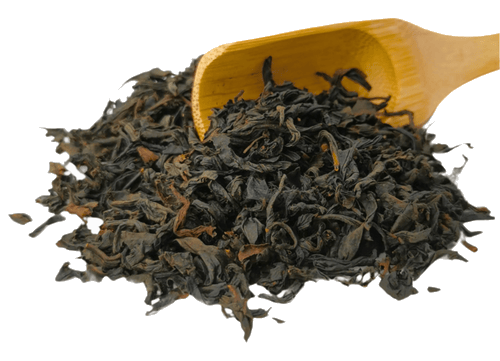
Spearmint Tea: The Complete Guide to Brewing and Enjoying It

Spearmint tea is the softer side of mint. Where peppermint delivers a sharp menthol chill, spearmint gives you a sweeter, rounder cup with a gentler cooling finish. It is naturally caffeine-free, brews in minutes, and works just as well poured over ice on a warm afternoon as it does warming your hands on a wet Tuesday evening. If peppermint has ever felt a bit much, this is the leaf to try next.
The tea in this guide: Mint Mix from £3.25 Shop it →
The plant behind it is Mentha spicata, native to Europe and Asia and now grown on five continents. The name comes from its spear-shaped leaves. Fresh or dried, those leaves steep into a pale green-gold infusion that smells recognisably minty but tastes cleaner and less medicinal than its peppermint cousin.
At a glance
- Pure spearmint leaves, no tea leaf or sweeteners
- Naturally caffeine-free and calorie-free
- Sweeter, softer mint flavour than peppermint
- Brew at 100°C for 3 to 5 minutes
- Best plain, or with a touch of honey
- Makes a bright iced drink with or without lemon
What does spearmint tea taste like?
Fresh mint without the strongest menthol kick. The sweetness is more pronounced, the cooling finish gentler. It is clean and easy to drink without feeling like you have just swilled mouthwash. There is a faint herbal grassiness underneath, but the dominant note is simply mint at its friendliest.
Peppermint contains more menthol, which gives it that sharper, more intense flavour. Spearmint's main aromatic compound is carvone, which registers as sweeter and less forceful on the palate. If you have tried our Mint Mix, which blends the two, spearmint on its own is softer again.

Herbal Tea
Spearmint has a softer, sweeter mint flavour than peppermint. A fresh cup on its own.
Have a lookHow to brew spearmint tea
It is straightforward. Cover the cup or pot while it steeps and you will keep more of the fresh aroma in the drink instead of letting it drift away with the steam.
- Boil fresh water and warm your mug or pot.
- Add one teaspoon of dried spearmint leaves per cup (roughly 2g).
- Pour over boiling water at 100°C.
- Cover and steep for 3 to 5 minutes.
- Strain and serve.
For a stronger cup, add a little more leaf before you extend the time. For a lighter brew, shorten the infusion or top up with hot water after straining. The dried leaves are whole or cut, and the longer you leave them the deeper the colour becomes, shifting from pale green to golden.

Milk or no milk?
No milk. Milk mutes the clean mint character and makes the whole thing a bit odd. Try it plain first. If you want a touch of sweetness, a little honey works, but the leaf already has a natural sweetness that might be enough on its own.
Iced spearmint tea
Hot weather turns spearmint into one of the most refreshing things you can make with a kettle. The method is simple: brew stronger than usual, then dilute with cold water and ice.
- Add two teaspoons of spearmint leaves to half a mug.
- Pour over boiling water and steep for 4 to 5 minutes.
- Strain into a tall glass.
- Add cold water to fill halfway, then plenty of ice.
A strip of lemon peel or a small squeeze of lemon changes the cup from sweet mint to something sharper and more citrus-led. Add either only after you have tasted the plain iced brew, because the mint alone might be exactly what you are after.
Peppermint vs spearmint: what is the difference?
Both come from the mint family, but they are distinct plants with different chemical profiles. Cleveland Clinic notes that peppermint contains more menthol and has a more intense flavour, while spearmint tastes subtler and sweeter. The difference is noticeable from the first sip.
| Feature | Spearmint | Peppermint |
|---|---|---|
| Botanical name | Mentha spicata | Mentha × piperita |
| Main aroma compound | Carvone | Menthol |
| Flavour | Sweet, mild cooling | Sharp, strong cooling |
| Caffeine | None | None |
Choose spearmint when you want fresh mint without the strongest menthol-like chill. Choose Peppermint for the sharper, more bracing finish. Our Mint Mix combines the two, giving you more lift than spearmint alone but a rounder finish than pure peppermint. For a deeper comparison, have a look at our peppermint vs spearmint guide.
Is spearmint tea caffeine-free?
Yes. Spearmint is a herb, not a tea plant, so the infusion is naturally caffeine-free. Healthline confirms that spearmint tea is caffeine-free and calorie-free. That makes it a useful evening alternative when you are avoiding caffeine but still want something fresh and proper.
If you want a mint tea with a little caffeine, try Mint Bazaar Moroccan Tea, which combines spearmint with Chinese gunpowder green tea in the classic North African style.
What does the research say?
Researchers have looked at spearmint in a handful of small studies, mostly examining its antioxidant content and its effects on hormones and joint stiffness. A registered dietitian quoted by Cleveland Clinic notes that spearmint tea has a comparable number of antioxidants to black tea. The tea contains rosmarinic acid, flavones and limonene.
Some small trials have looked at hormone-related outcomes. In a 30-day randomised study of 42 women with polycystic ovary syndrome, drinking spearmint tea twice daily lowered testosterone and increased luteinising hormone (LH) and follicle-stimulating hormone (FSH) compared with placebo tea. Another study found older adults taking 900mg of spearmint extract daily showed a 15 per cent improvement in working memory, though evidence remains limited.
It is worth being clear: these studies are small, short-term, and do not prove that drinking a few cups of spearmint tea will produce the same effects. Tea is a drink, not a medicine. If you have questions about hormones, memory or any health concern, speak to your GP or pharmacist.
A note on safety
For most healthy adults, moderate consumption is well tolerated. Acıbadem International notes that possible adverse effects include stomach irritation, heartburn, or worsened reflux in some people. If you are pregnant, breastfeeding, taking regular medicines, or have significant liver or kidney conditions, check with a qualified clinician before making it a daily habit.

Herbal Tea
Peppermint and spearmint share the pot. Cool, fresh and a little sweeter than peppermint alone.
Have a lookCommon mistakes when brewing spearmint tea
The leaf is forgiving, but a few habits can dull the cup:
- Brewing uncovered. Without a lid, the aromatic oils escape with the steam and you lose half the point.
- Using stale leaf. Spearmint keeps well in a sealed container away from light and strong aromas, but if it smells faint or dusty, it is past its best.
- Adding milk. It mutes the mint. Just don't.
- Over-sweetening. The leaf has a natural sweetness. Taste it plain before reaching for the honey.
A brief history of spearmint
Spearmint has been around for centuries. Native to Europe and Asia, it now grows commonly on five continents according to Healthline. The name comes from the spear-shaped leaves, a detail you notice if you look closely at the dried leaf before it goes in the pot.
It flavours toothpaste, chewing gum, mouthwash and sweets, but its longest history is as a simple herbal drink. In Morocco, spearmint is steeped with gunpowder green tea and plenty of sugar, then poured from a height into small glasses. In parts of the Middle East, it appears in everything from salads to yoghurt drinks. In Huddersfield, it is mostly brewed quietly on a weeknight when you fancy something minty but not too bracing.
What to try next
If you want to compare the mints side by side, the Caffeine-Free Tasting Box includes spearmint, peppermint and three other herbal infusions in one letterbox-friendly pack. It is an easy way to find out which mint suits you best.
Mint Bazaar Moroccan Tea combines spearmint with Chinese gunpowder green tea for the classic North African pairing, served hot or poured over ice. Lemon & Ginger Tea offers a different kind of fresh, with bright citrus and warming ginger instead of cooling mint. And if you are not sure where to start, try the Tea Finder: answer a few quick questions and it will point you in the right direction.

Letterbox gift
Five caffeine-free herbal teas for evenings, after dinner or all day: mint, chamomile, fruit and ginger.
Have a lookOrder online for free UK delivery on orders over £35. Or call into the shop in Byram Arcade, Huddersfield, and we will walk you through the options over the counter. The kettle is always on.
Frequently asked questions
Does spearmint tea have caffeine?
No. Spearmint is a herb, not a tea plant, so the infusion is naturally caffeine-free. That makes it a useful evening drink when you want something fresh but need to avoid caffeine. If you want a mint tea with some caffeine, try Mint Bazaar, which blends spearmint with green tea.
Can you drink spearmint tea every day?
Many people do, and it is a common everyday drink in parts of the world. Moderate consumption is generally well tolerated by healthy adults. If you are pregnant, breastfeeding or taking regular medicines, check with your GP or pharmacist before making it a daily habit.
What is the difference between peppermint and spearmint tea?
Spearmint is sweeter and softer, with its main aroma compound being carvone. Peppermint contains more menthol, giving it a sharper, more forceful cooling effect. Both are caffeine-free. The choice is about flavour preference rather than any proven health difference.
Where can I buy spearmint tea?
You can order loose leaf spearmint online from Porter Hill with free UK delivery over £35. For the freshest cup, loose leaf tends to outperform bags because the leaves have more room to infuse properly.
How long should I steep spearmint tea?
Between 3 and 5 minutes works well for most cups. Shorter steeps give a lighter, more delicate brew; longer ones bring out more depth and sweetness. Cover the mug while it brews to keep the aromatic oils in the cup rather than letting them escape with the steam.
Can you add milk to spearmint tea?
You can, but it is not recommended. Milk mutes the clean mint character and makes the drink taste a bit strange. Try it plain first, or add a little honey if you want extra sweetness. The leaf already has a natural sweetness that may be enough on its own.
Sources: Cleveland Clinic · Healthline · Acıbadem International