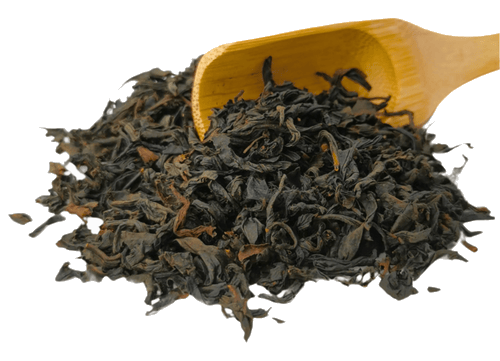
Mullein Tea: A Practical Guide to Brewing, Straining and Flavour

Mullein tea is one of those herbal infusions that sounds more dramatic than it tastes. Read about it online and you will find centuries of respiratory folklore, references to Native American medicine, and claims that would make a pharmacist wince. What actually lands in your cup is something gentler: a pale, earthy brew with a whisper of sweetness and a texture problem you need to solve before you drink it.
The tea in this guide: Mullein Tea from £3.70 Shop it →
The short answer to most mullein questions is this: it is a mild, caffeine-free herbal infusion made from the leaves of Verbascum thapsus, a flowering plant that originated in Europe, Asia and North Africa and now grows wild from roadsides to forest edges across the world. It has been brewed for hundreds of years, and the main practical thing you need to know is that the leaves are covered in very fine hairs that will irritate your throat if you do not strain them out properly.
At a glance
- Mild, earthy, slightly grassy flavour with a touch of natural sweetness
- Naturally caffeine-free, suitable any time of day
- Use one to two teaspoons of dried leaf per cup, steeped 10 to 15 minutes
- Must be strained through a paper filter or fine cloth to catch tiny leaf hairs
- Best drunk plain; honey rounds it out if you want sweetness
- Generally considered safe, but check with your GP if pregnant or taking medicines
What does mullein tea taste like?
Mild is the word that keeps coming up. The flavour is earthy and gently grassy, softer than nettle, less cooling than mint, and nowhere near as floral as chamomile. There is a whisper of natural sweetness, but nothing fruity or bold. The colour is pale straw yellow, like weak white wine or very dilute honey.
If you are expecting something medicinal and potent, you will be surprised how subtle it is. Think of it as a plain, calming cup rather than a showstopper. The appeal is in its quietness, not its complexity.

How to brew mullein tea properly
Getting a good cup of mullein leaf tea comes down to time, temperature and filtering. Here is the method we recommend:
- Measure one to two teaspoons of dried mullein leaf per cup. Start with one teaspoon if it is your first time.
- Boil fresh water and pour it directly over the leaves.
- Steep for 10 to 15 minutes. WebMD suggests 10 to 15 minutes for a standard cup; longer steeping brings out more body and earthiness.
- Strain through a paper tea filter, tightly woven clean cloth, or very fine mesh. This step is not optional.
- Hold the finished cup to the light. If you can see fine material suspended in it, strain it again.
Try it plain before adding anything. Honey can add roundness and a bit of sweetness. Milk is possible but tends to overwhelm such a gentle leaf.
| Brew strength | Leaf amount | Water | Steep time |
|---|---|---|---|
| Light | 1 tsp | 240 ml | 10 minutes |
| Standard | 1.5 tsp | 240 ml | 12 to 15 minutes |
| Strong | 2 tsp | 240 ml | 15 minutes |
How to strain mullein tea: why it matters
Mullein leaves are covered in very fine hairs. They are soft and not toxic, but they are irritating if they end up in your throat. A normal tea strainer with wide holes will not catch them. You need something finer.
What works
A paper coffee filter or paper tea filter catches the hairs reliably. A piece of tightly woven muslin or cheesecloth also does the job. A very fine mesh strainer can work if the weave is tight enough, but test it first by holding it up to the light. If you can see through the holes easily, the hairs will slip through.
What does not work
Standard tea ball infusers, basket infusers with medium holes, and most built-in teapot strainers will let the hairs through. Do not press loose particles through the mesh with a spoon or you will defeat the purpose entirely.
If you brew mullein regularly, keep a small pack of paper filters in the cupboard. It is a minor investment that saves you a scratchy throat.

Herbal Tea
Dried mullein leaves make a mild herbal infusion. A fine strainer helps catch the small leaf hairs.
Have a lookMullein tea benefits: what does the research actually say?
Mullein has been used in traditional medicine for respiratory complaints, coughs and colds for hundreds of years. Native Americans and European settlers brewed it, smoked the leaves, made syrups from the roots, and applied leaf pastes to wounds. Before antibiotics, it was used for pneumonia, tuberculosis and whooping cough. That is the historical context.
What does modern science say? Mostly that more research is needed. Healthline notes that mullein is not approved by the U.S. Food and Drug Administration to treat any health condition, and most evidence comes from test-tube studies, not human trials.
What researchers have looked at
Test-tube studies have found that mullein extracts show activity against certain bacteria, including Bacillus cereus and some strains of E. coli and Streptococcus. A 2007 test-tube study found mullein extract effective against influenza virus, and a 2012 study suggested activity against a herpes-family virus. A Cleveland Clinic article reports that mullein stem extract combined with alcohol was 85% effective at protecting cells from damage in one study, though the page does not identify the study details.
The important caveat is that extracts in a laboratory dish are not the same as tea in a human body. The concentration of plant compounds that pass from leaves into an infusion remains unclear, and no research has established that drinking mullein tea treats viral infections, bacterial infections, asthma or any other condition in people.
Tea is a drink, not a medicine. If you have health questions, speak to your GP, pharmacist or midwife.
Is mullein tea safe?
Mullein is generally considered safe, with no reported toxicity according to MedicineNet. The main practical risk is the leaf hairs irritating your throat if you do not strain properly. Some people may experience allergic contact dermatitis from handling the plant.
If you are pregnant, breastfeeding, taking medicines or have a health condition, check with your GP, pharmacist or midwife before drinking it regularly. The NHS advises particular care with herbal products in those circumstances.
Common mistakes when brewing mullein
Using a standard tea strainer
The most common mistake by far. Those fine hairs slip straight through anything with medium-sized holes. Use a paper filter.
Expecting a strong flavour
Mullein is subtle. If you are coming from bold black teas or punchy herbal blends, you might think you have done something wrong. You have not. It is just a quiet cup.
Adding milk
The flavour is too delicate to stand up to dairy. The combination does not taste particularly good. Stick to honey if you want to soften the cup.
Resteeping the leaves
Mullein gives most of its flavour in the first steep. The second cup will be very weak and not worth the bother. Start fresh each time.
A brief history of mullein
Mullein's botanical name is Verbascum thapsus, and it belongs to the snapdragon family. It is a biennial plant: in its first year it forms a rosette of fuzzy grey-green leaves close to the ground, and in its second year it sends up a tall flowering stalk that can reach five to ten feet. Those small yellow flowers have been used alongside the leaves in traditional preparations.
The plant originated in Europe, Asia and North Africa and was introduced to the United States in the early to mid-1800s as a medicinal plant. It spread quickly and now grows wild across North America, New Zealand, and most temperate regions. You will find it in meadows, roadsides, forest edges, gravel pits and disturbed ground. It is a survivor.
Traditional uses ranged widely: decoctions for sore throats and coughs, pastes for skin wounds, rubs for muscles and joints, mouthwashes, and of course teas. Colonists and Native Americans both made use of it, though with different preparations and purposes.

Letterbox gift
Five caffeine-free herbal teas for evenings, after dinner or all day: mint, chamomile, fruit and ginger.
Have a lookWhat to try next
If you like the gentle, earthy character of mullein, Organic Nettle Tea offers a greener, more savoury leaf infusion that is still mild enough for everyday drinking. Organic Chamomile Tea gives you a more floral and aromatic cup, also naturally caffeine-free and a good choice for winding down in the evening.
For a broader exploration, the Caffeine-Free Tasting Box includes five herbal teas in one letterbox-friendly box: mint, chamomile, fruit and ginger, all easy to compare side by side. If you are not sure where to start, our Tea Finder quiz can point you in the right direction based on what you already enjoy.
We stock Mullein Tea as loose dried leaves. Start small while you learn your preferred strength and filtering method, then scale up if you like it.
Order online with free UK delivery on orders over £35. Or call into the shop at Byram Arcade in Huddersfield if you are passing through. The kettle is always on.
Frequently asked questions
Does mullein tea have caffeine?
No. Mullein is an herbal infusion made from leaves, not from the tea plant Camellia sinensis, so it is naturally caffeine-free. You can drink it any time of day or night without worrying about it keeping you awake.
Where can I buy mullein tea in the UK?
You can find mullein tea at health food shops, some supermarkets, and specialist tea shops like Porter Hill. We sell loose mullein leaf online with free UK delivery over £35, and you can also find it in our shop in Huddersfield.
Is mullein tea good for lungs?
Mullein has been used traditionally for respiratory complaints, and some describe it as an expectorant that may help loosen mucus. However, human research is limited, and no studies have established that mullein tea treats lung conditions in people. Speak to your GP about respiratory concerns.
Why does my mullein tea have bits in it?
The leaves carry very fine hairs that slip through ordinary strainers. Use a paper filter, fine cloth or very fine mesh to catch them. If you still see bits floating in the cup after straining, filter it again before drinking.
Can I drink mullein tea every day?
Mullein is generally considered safe to drink regularly. If you have a health condition, take medicines, or are pregnant or breastfeeding, check with your GP, pharmacist or midwife first, as the NHS advises particular care with herbal products in those circumstances.
What is the best way to store mullein leaf?
Keep it sealed, cool and dry, away from strong smells and direct sunlight. An airtight tin or resealable pouch in a cupboard works well. Like most dried herbs, it will lose flavour over time, so use it within a year of opening for the best cup.
Sources: Healthline · WebMD · MedicineNet · Cleveland Clinic · Medical News Today