Oolong Tea Benefits: What the Research Actually Shows

Type 'oolong tea benefits' into a search engine and you will find claims ranging from fat-burning miracle to brain-boosting wonder. The reality, as with most things, is more interesting and less dramatic. Oolong is a genuinely lovely tea with some promising research behind it, but it is not a medicine and nobody should drink it expecting one. So what does the science actually say?
The tea in this guide: Quanzhou Milk Oolong from £5.35 Shop it →
In short: studies have linked regular oolong consumption with markers of heart health, blood sugar management and cognitive function, but most evidence is observational rather than conclusive. Oolong contains caffeine, polyphenols and L-theanine, all of which have documented effects on alertness and metabolism. It will not cure anything, but a few cups a day alongside a decent diet is a reasonable habit with some supportive data behind it.
Let's look at what researchers have actually measured, what the limits of that research are, and how to brew oolong properly so you can enjoy it for what it is: a complex, aromatic tea that tastes better than most things you could be drinking at three o'clock on a wet Tuesday.
At a glance
- Oolong is partially oxidised tea from the Camellia sinensis plant, sitting between green and black tea
- One cup contains roughly 30 to 50 mg caffeine, plus polyphenols and L-theanine
- Research has looked at heart health, blood sugar and cognition, with mixed but generally positive findings
- Most studies are observational; tea is not a treatment for any condition
- Up to four cups daily is considered safe for most adults; pregnant women are advised to limit to three cups
- Brew at 85°C for one to five minutes depending on the style
What is oolong tea?
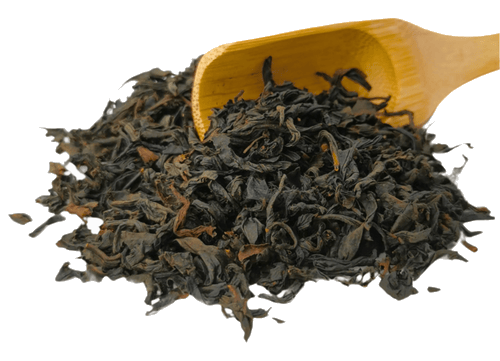
Oolong comes from the same plant as green and black tea, Camellia sinensis, but the leaves are processed differently. After picking, they are wilted in the sun and lightly bruised to encourage partial oxidation. Green tea is barely oxidised at all; black tea is fully oxidised. Oolong sits somewhere in between, and exactly where depends on the producer. Some oolongs are closer to green tea, light and floral; others lean towards black, darker and more robust.
This middle ground gives oolong a remarkable range of flavours. A Taiwanese high-mountain oolong might taste of orchids and butter; a roasted Wuyi rock oolong could be all toasted grain and mineral depth. Oolong accounts for only about two percent of tea consumed worldwide, which is a shame because it rewards attention.
What are the claimed benefits of oolong tea?
The headlines usually mention weight loss, heart health, diabetes prevention, brain function and sometimes cancer. Some of these claims have studies behind them; others are extrapolations from test-tube experiments or animal research. Here is a closer look at what researchers have actually found in humans.

Heart health and cholesterol
A 2023 study of over 76,000 Chinese adults found that regular tea drinkers, including those drinking oolong, had a ten percent lower risk of high blood pressure. An earlier study of Japanese adults found that men drinking at least 240 ml of oolong daily had a 61 percent lower risk of heart disease, according to Healthline's summary of the research.
On cholesterol, a 2014 study of over 3,000 Chinese adults found that those consuming more than two and a half cups of oolong, green or black tea daily had the lowest odds of high blood lipid levels. Long-term oolong drinkers (21 years or more) showed levels 3.2 percent lower for total cholesterol and nearly 12 percent lower for triglycerides.
These are associations, not proof of cause. People who drink tea regularly might also have other habits that protect their hearts. But the pattern is consistent across multiple studies and populations.
Blood sugar and type 2 diabetes
A 2021 study and a 2019 review linked regular tea consumption with improved blood sugar management and lower type 2 diabetes risk. A smaller, older study suggested oolong may lower plasma glucose in people who already have type 2 diabetes. However, WebMD notes that evidence remains insufficient to recommend oolong specifically for diabetes, and one Japanese study of around 5,000 men actually found that heavy tea consumption predicted disease onset in some groups.
The picture is genuinely mixed. If you have concerns about blood sugar, speak to your GP rather than adjusting your tea intake.

Oolong Tea
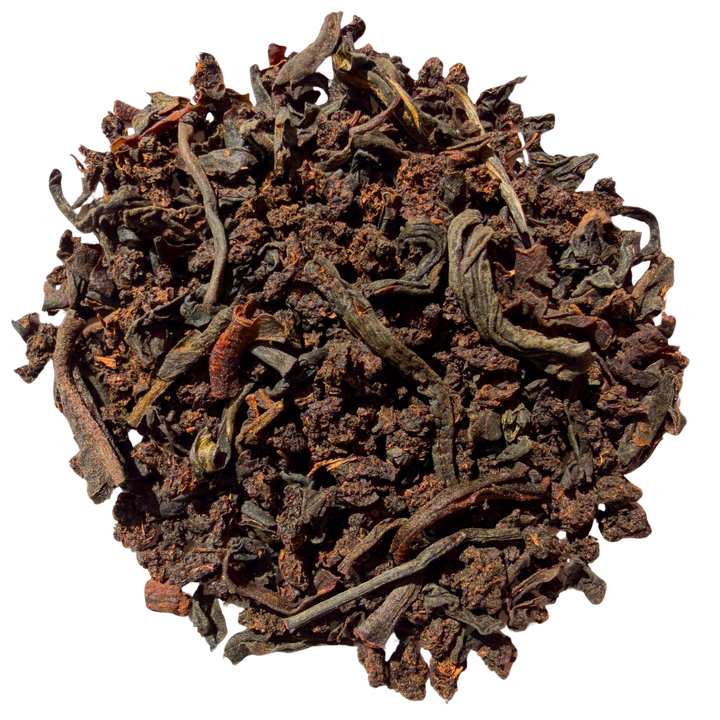
Creamy oolong with floral notes and a gentle caramel sweetness. A lovely one to linger over.
Have a lookBrain function and alertness
This is where the evidence is clearer. Oolong contains both caffeine and L-theanine, an amino acid associated with relaxation and cognitive performance. A 2014 review found that tea containing these compounds increased alertness and attention within one to two hours. A 2008 study associated regular black and oolong consumption with lower cognitive impairment, and a 2010 study of older Chinese adults linked tea drinking with improved memory, executive function and information-processing speed.
None of this is surprising. Caffeine helps you concentrate; L-theanine takes the jittery edge off. If you drink a cup of oolong at your desk, you will probably focus better for an hour or two. That is not a miracle; it is just how caffeine works.
Weight loss
This is the claim that sells the most supplements and causes the most disappointment. Animal studies have found that oolong extract can increase fat oxidation, and one small study of overweight Chinese adults found that drinking 300 ml of oolong four times daily led to more than half of participants losing over one kilogram after six weeks. But human evidence does not establish meaningful fat loss from tea alone.
Catechins and caffeine may modestly increase calorie burning and fat oxidation, but the effect is small. If you are hoping oolong will shift a stone, you will be disappointed. If you are hoping it tastes good and keeps you off the biscuits for an hour, you might be onto something.
Does oolong tea have caffeine?
Yes. Oolong is tea, and tea contains caffeine. The amount varies depending on the specific oolong and how you brew it, but a typical eight-ounce cup contains around 30 to 50 mg. For comparison, green tea has about 29 mg per cup, black tea around 47 mg, and coffee roughly 96 mg.
| Drink | Caffeine per cup (approx.) |
|---|---|
| Oolong tea | 30 to 50 mg |
| Green tea | 25 to 30 mg |
| Black tea | 40 to 50 mg |
| Coffee | 70 to 130 mg |
If you are caffeine-sensitive, avoid oolong in the evening. If you want a gentler lift than coffee but more than green tea, oolong sits nicely in the middle.
Is oolong tea safe?
For most adults, yes. About four cups daily is considered safe by most sources. More than that may cause caffeine-related effects: headache, irritability, rapid heartbeat or trouble sleeping.
During pregnancy, WebMD advises limiting caffeine to around 300 mg daily, which works out to roughly three cups of oolong. Higher intake has been linked to increased risk of miscarriage and lower birth weight. If you are breastfeeding, more than three cups may cause irritability in your baby. If you have concerns, speak to your midwife or GP.
Oolong may reduce iron absorption, so drinking it with meals is not ideal if you are prone to anaemia. It also increases urinary calcium loss; people with osteoporosis should stick to three cups or fewer. Caffeine can raise eye pressure for up to 90 minutes after drinking, which matters if you have glaucoma.
How to brew oolong tea properly
Good oolong deserves proper brewing. Get it right and you will taste florals, minerals, butter, stone fruit or toasted grain depending on the style. Get it wrong and you will taste bitter water.
- Use one to two teaspoons of loose leaf per cup (around 200 ml).
- Heat water to 85°C for lighter oolongs, up to 95°C for darker, roasted styles. If you do not have a thermometer, let boiling water sit for two to three minutes.
- Steep for one to five minutes. Start shorter; taste and extend if you want more body.
- Give the leaves room to unfurl. A roomy infuser or a small teapot works better than a cramped tea ball.
- Oolong leaves are good for multiple infusions. Add fresh hot water and extend the steep time slightly each round.
Skip the milk. Oolong is not a builder's brew; milk will flatten the delicate flavours you paid for.

Oolong Tea
Taiwanese oolong with gentle sweetness, toasted notes and a pleasantly dry finish.
Have a lookCommon myths about oolong tea
Myth: oolong burns fat
Catechins and caffeine may increase fat oxidation slightly, but the effect is not significant enough to cause weight loss on its own. If anyone tells you oolong is a fat-burning miracle, they are selling something.
Myth: oolong is caffeine-free
All true tea contains caffeine. The amount in oolong is moderate, roughly between green and black tea, but it is definitely there.
Myth: one cup cures everything
The positive associations in research come from regular consumption over years, not a single cup. And association is not causation. Tea is a pleasant habit, not a prescription.
What does the research say, honestly?
The studies on oolong are generally positive but limited. Most are observational: they show that people who drink oolong tend to have better health markers, but they cannot prove the tea caused the improvement. Randomised controlled trials, the gold standard for medical evidence, are rare and usually small.
The evidence is insufficient to recommend oolong for treating obesity, diabetes, high blood pressure or any other condition. What we can say is that oolong contains compounds with documented biological effects, that regular tea drinking is associated with various health markers, and that a few cups a day is safe for most people.
Tea is a drink, not a medicine. If you have health concerns, speak to your GP, pharmacist or midwife. If you want something genuinely delicious to drink while you work, oolong is a fine choice.
What to try next
If you are new to oolong, Quanzhou Milk Oolong is a good starting point: creamy, floral and approachable with a gentle caramel sweetness. Formosa Oolong is a classic Taiwanese style with toasted notes and gentle sweetness. For something more decorative, Blue Spring Oolong pairs soft floral notes with purple mallow petals for a cup that looks as good as it tastes.
Not sure which suits you? The Tea Finder will point you in the right direction based on what you already enjoy. If you want to understand more about this category of tea, our oolong tea guide covers the different styles and origins in more detail.
Order online with free UK delivery on orders over £35. Or call into the shop in Byram Arcade, Huddersfield, and we will make you a cup while you browse.

Oolong Tea
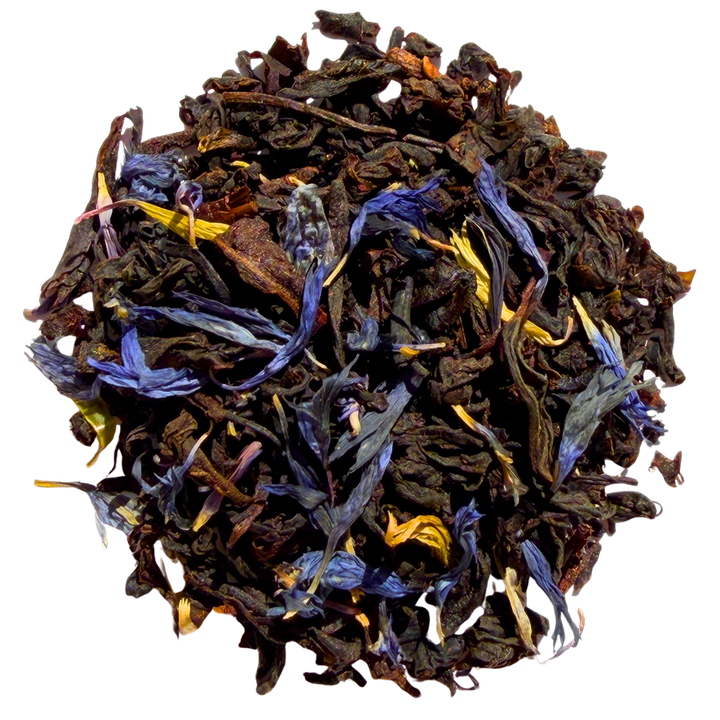
Oolong with blue mallow petals, soft floral notes and a smooth, lingering finish.
Have a lookFrequently asked questions
Is oolong healthy?
Oolong contains caffeine, polyphenols and L-theanine, compounds with documented effects on alertness and metabolism. Studies have associated regular consumption with markers of heart health and cognitive function, but most evidence is observational. Tea is not a treatment for any condition; it is simply a pleasant drink with some supportive data behind it.
How much caffeine is in oolong tea?
A typical cup contains 30 to 50 mg of caffeine, roughly midway between green tea (25 to 30 mg) and black tea (40 to 50 mg). Coffee has considerably more, around 70 to 130 mg per cup. If you are sensitive to caffeine, avoid oolong in the evening.
Can I drink oolong tea every day?
Most adults can safely drink up to four cups daily. More than that may cause caffeine-related side effects. Pregnant women are advised to limit intake to three cups, providing roughly 300 mg of caffeine. If you have specific health conditions, check with your GP.
Does oolong tea help with weight loss?
Some small studies suggest oolong may modestly increase fat oxidation and calorie burning, but the effect is not significant enough to cause meaningful weight loss on its own. Anyone claiming oolong is a fat-burning miracle is overstating the evidence considerably.
What is the best way to brew oolong?
Use one to two teaspoons per cup, water at 85°C to 95°C depending on the style, and steep for one to five minutes. Give the leaves room to unfurl and do not add milk. Oolong leaves are good for multiple infusions; extend the steep time slightly with each round.
Sources: WebMD · Healthline · Medical News Today · LifeMD · History of Ceylon Tea