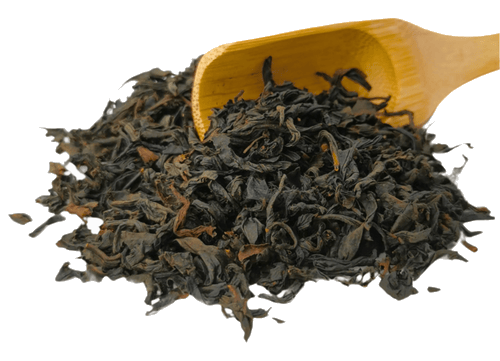
Pu-erh Tea: A Complete Guide to China's Fermented Tea

Pu-erh is the tea that ages like wine, tastes like a forest floor after rain, and confuses almost everyone the first time they try it. If you've heard it described as earthy, mushroomy or 'an acquired taste' and wondered what all the fuss is about, you're in the right place. Pu-erh tea is a post-fermented tea from Yunnan province in China, made from large-leaf tea plants and transformed by microbes over weeks, months or even decades. The result is something completely unlike your morning English Breakfast: deep, smooth, sometimes sweet, often with notes of damp wood, leather and dark chocolate.
The tea in this guide: Pu-erh Mini Tuocha from £4.20 Shop it →
It's a tea that rewards curiosity. Once you understand what makes it different, you'll see why collectors pay thousands for aged cakes and why a simple bowl-shaped tuocha can become part of your weekly routine.
At a glance
- A fermented tea from Yunnan, China, made from broad-leaf Camellia sinensis var. assamica
- Two styles: sheng (raw) ages slowly over years; shou (ripe) is accelerated to 45 to 60 days
- Flavour ranges from earthy and mushroomy to smooth, sweet and chocolatey
- Contains caffeine, roughly 30 to 100 mg per cup depending on brewing
- Brew at 95 to 100°C, rinse once, then steep in short bursts of 15 to 30 seconds
- Sold loose or compressed into cakes, bricks and small tuocha bowls
What is pu-erh tea?
Pu-erh (also spelled pu'er or puer) is a type of tea that undergoes microbial fermentation after the leaves are dried. This sets it apart from black tea, which is oxidised but not fermented, and green tea, which is neither. Moulds, bacteria and yeasts work on the leaves over time, breaking down compounds and creating new ones. The result is a tea with a character you won't find anywhere else in the tea world.
The name comes from Pu'er City in Yunnan, where the tea was historically traded. Yunnan remains the only place true pu-erh can come from, much like Champagne must come from its namesake region. The tea plants are often the large-leaf Dayeh variety, with some trees said to be centuries old.

Sheng vs shou: raw and ripe pu-erh explained
Walk into any tea shop stocking pu-erh and you'll encounter two terms: sheng and shou. They're the same leaves, but processed very differently.
Sheng (raw) pu-erh
Sheng is the traditional style. After the initial processing, the tea is left to age naturally. Microbial fermentation happens slowly over years, sometimes decades. A raw pu-erh might need 15 years or more to develop the smooth, dark character people prize. Young sheng can taste grassy, bitter or astringent; aged sheng becomes mellow, complex and sweet.
Shou (ripe) pu-erh
Shou was developed in 1973 by the Kunming and Menghai tea factories in response to demand. The process, called wòduī or 'wet piling', speeds up fermentation dramatically. Leaves are piled in a warm, humid environment and turned regularly while microbes do their work. What would take decades naturally is compressed into 45 to 60 days. The result is a dark, smooth, ready-to-drink tea without the wait or the price tag of aged sheng.
Neither style is better; they're different experiences. Shou is where most people start because it's approachable and affordable. Sheng rewards patience and deeper pockets.
What does pu-erh taste like?
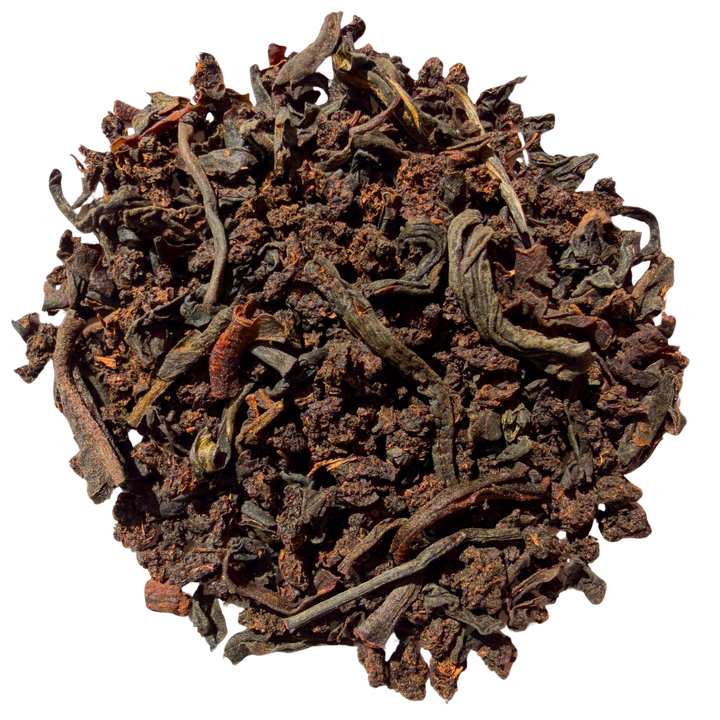
This is where pu-erh divides opinion. Good pu-erh tastes earthy, woody and sometimes mushroomy, with notes of leather, dark chocolate or dried fruit. There can be notes of dark chocolate, dried fruit, autumn leaves or even a clean mineral quality. The best examples are smooth and sweet with no harsh edges, satisfying in the way a slow-cooked stew is satisfying.
Poor-quality pu-erh, unfortunately, can taste muddy, musty or genuinely unpleasant. If your first experience was fishy or mouldy, you probably had a bad batch. Don't let it put you off.
The earthy depth makes pu-erh a good fit for coffee drinkers looking for something different. In Hong Kong and southern China, it's traditionally served with dim sum and rich, greasy foods, where its character cuts through the heaviness.

Pu-erh Tea
Small compressed bowls of pu-erh with a deep, earthy flavour. A bold change from breakfast tea.
Have a lookHow pu-erh tea is made
The path from fresh leaf to finished pu-erh involves several stages, some familiar from other teas and some unique to this category.
Maocha: the raw material
Pu-erh starts with maocha, a sun-dried tea that serves as the base. Leaves are typically picked as one bud and three to four leaves, larger than the delicate pickings used for green tea. They're briefly heated to halt oxidation (a step called 'killing the green'), rolled to break cell walls and release juices, then dried in the sun rather than in ovens.
Fermentation and aging
For sheng, the maocha is compressed into cakes or left loose, then stored in carefully controlled conditions to age. For shou, the maocha goes through wòduī first. The piled tea heats up as microbes multiply; workers turn the piles to manage temperature and moisture. After fermentation, shou may rest for another few months to a year before being compressed or sold loose.
Compression
Pu-erh is famous for its compressed shapes, developed centuries ago for easier transport along the Tea Horse Roads linking Yunnan to Tibet. Common forms include:
| Shape | Name | Common weights |
|---|---|---|
| Disc or cake | Bing cha | 357g, 400g, 500g |
| Bowl | Tuocha | 100g, 250g, or mini 3 to 5g |
| Brick | Zhuan cha | 250g, 500g, 1kg |
| Small ball | Dragon pearl | 5 to 10g |
The 357g cake is the standard because seven cakes stacked together weighed roughly 2.5kg, a practical load for pack horses. Some things persist long after the original reason disappears.
How to brew pu-erh tea
Brewing pu-erh well is straightforward once you know the key steps. The traditional method involves multiple short steeps, each releasing different flavours from the leaves.
- Break off about 5g of tea. For compressed pu-erh, use a tea pick or the back of a spoon to prise off a chunk without shattering it.
- Place the tea in a small teapot or gaiwan. A 100 to 150ml vessel works well.
- Rinse the leaves: pour freshly boiled water over them, swirl briefly for 5 to 10 seconds, then discard the water. This wakes up compressed leaves and washes away any dust.
- Add fresh boiling water at 95 to 100°C. Shou can take full boiling; sheng is often brewed slightly cooler.
- Steep the first infusion for 15 to 30 seconds, then pour off completely.
- Increase subsequent steeps by 5 to 10 seconds each. Good pu-erh can handle 8 to 12 infusions, each one revealing something new.
If you prefer a simpler approach, use one teaspoon of loose pu-erh per mug, brew for 3 to 4 minutes in a strainer, and you'll still get a satisfying cup. Just don't steep for 10 minutes in a huge pot or you'll end up with something undrinkably bitter.
Common pu-erh mistakes
Skipping the rinse
Compressed pu-erh has been stored for months or years. A quick rinse removes dust and helps the leaves open. It takes ten seconds and makes a noticeable difference.
Brewing too long
Western-style steeping of 5 minutes or more pulls out harsh tannins that overwhelm the subtler flavours. Keep it short, especially for the first few infusions.
Giving up after one bad cup
Cheap or badly stored pu-erh exists, and it can taste genuinely awful. That doesn't mean all pu-erh does. Try a different source before you write off the whole category.
How to store pu-erh tea
Unlike most teas, pu-erh can improve with age if stored properly. The key is controlled humidity and clean air. Recommendations suggest 60 to 85 percent humidity, though the higher end risks mould if you're not careful. Avoid direct sunlight, strong odours and extreme temperatures.
For most home drinkers, keeping pu-erh in a cool cupboard away from the spice rack works fine. If you're investing in cakes to age long-term, dedicated storage with humidity control becomes worthwhile.
A brief history of pu-erh
Pu-erh's roots reach back thousands of years in Yunnan Province, making it one of the oldest continuously produced teas in China. Trade began properly during the Tang Dynasty, and the tea became famous during the Ming and Qing periods. The Tea Horse Roads, ancient caravan routes linking Yunnan to Tibet, Nepal and beyond, relied heavily on pu-erh. Tea was compressed into bricks and cakes to survive the trip, and the fermentation that occurred in transit turned out to improve the flavour.
In 2023, the ancient tea forests of Jingmai Mountain, where Bulang and Dai people have cultivated tea since at least the 10th century, gained UNESCO World Heritage status. It's recognition that these landscapes and traditions matter beyond the price of tea.
The 1990s and 2000s saw a pu-erh collecting bubble. Prices for aged cakes skyrocketed, counterfeit teas flooded the market, and quality suffered as producers rushed to meet demand. The bubble eventually collapsed, leaving behind a more cautious market and better education for buyers.

Does pu-erh tea contain caffeine?
Yes. Pu-erh is made from Camellia sinensis, so it contains caffeine like all true teas. Estimates vary widely depending on the tea, the brewing method and how many infusions you're on, but expect roughly 30 to 100mg per cup. That's less than brewed coffee but comparable to black tea. The multiple short infusions of gongfu brewing spread the caffeine across more cups rather than concentrating it in one.
If you're sensitive to caffeine or drinking late in the day, be aware that pu-erh will keep you awake as effectively as your regular cuppa.
What does the research say about pu-erh?
Pu-erh has attracted research interest, particularly around its unique fermentation compounds like theabrownin. Studies have looked at effects on cholesterol, weight and liver function, mostly in animals or test tubes. One small human trial found that a concentrated pu-erh extract improved body composition in 36 participants over 12 weeks, but that involved a standardised extract taken three times daily, not just drinking tea.
The honest summary: pu-erh is a drink, not a medicine. It contains interesting compounds, but claims about fat-burning, detoxing or disease prevention aren't supported by solid evidence in humans drinking normal amounts of tea. If you have health questions, speak to your GP rather than relying on tea to fix anything.
What to try next
If you're new to pu-erh, our Pu-erh Mini Tuocha is the easiest place to start. Each small compressed bowl is a single serving, so there's no breaking chunks off cakes or guessing quantities. The flavour is earthy and smooth, a proper introduction without the commitment of a 357g cake.
Fancy something that blends pu-erh with other flavours? Tiramisu Coffee & Tea Blend combines black tea and pu-erh with coffee beans, cocoa and chamomile for a dessert-style cup with genuine depth. It's a good bridge if you like coffee and want something longer.
For other earthy, full-bodied teas, explore our earthy and smoky collection. Or if you're still deciding, the Tea Finder will point you somewhere sensible based on your tastes.
Order online with free UK delivery on orders over £35. Or pop into the shop in Byram Arcade, Huddersfield, and we'll put the kettle on.
Frequently asked questions
What is pu-erh tea good for?
Pu-erh is good for drinking when you want something earthy, smooth and completely different from your usual brew. It pairs well with rich food and appeals to coffee drinkers looking for depth. Research has explored various compounds in pu-erh, but as a drink rather than a supplement, it's simply a satisfying tea with a unique character.
What are the benefits of pu-erh tea?
Pu-erh contains caffeine and various compounds created during fermentation, including theabrownin. Studies have looked at cholesterol and weight, mostly in animals or with concentrated extracts. For most people, the main benefit is the pleasure of drinking something distinctive. Speak to a GP if you have specific health questions.
How do you brew pu-erh tea?
Rinse the leaves briefly with hot water, then steep at 95 to 100°C for 15 to 30 seconds. Pour off completely and repeat, adding a few seconds to each subsequent infusion. Good pu-erh handles 8 to 12 steeps. For a simpler mug, use one teaspoon per cup for 3 to 4 minutes.
Does pu-erh tea have caffeine?
Yes. Expect roughly 30 to 100mg per cup depending on how you brew it. That's similar to black tea. Multiple short infusions spread the caffeine out; a single long steep concentrates it. Either way, it's not a caffeine-free option.
What does pu-erh tea taste like?
Good pu-erh tastes earthy, woody and sometimes mushroomy, with notes of leather, dark chocolate or dried fruit. Ripe shou tends to be smoother and darker; raw sheng can be more complex and evolves over years. Bad pu-erh tastes muddy or fishy, so quality matters.
Is pu-erh the same as black tea?
No. In the West, black tea means fully oxidised tea. Pu-erh is post-fermented, meaning microbes transform the leaves over time after drying. Confusingly, pu-erh is called 'black tea' or 'dark tea' in China, while what we call black tea is 'red tea' there. Different processes, different results.
Sources: Wikipedia · Healthline · The Spruce Eats