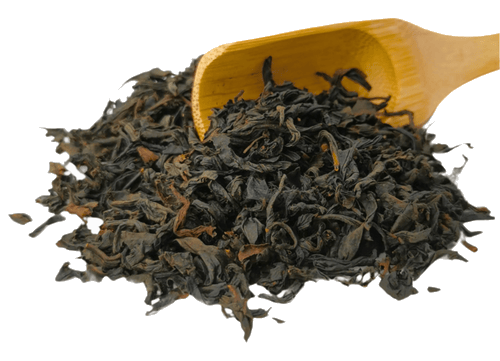
Valerian Tea: Taste, Brewing, Safety and What the Research Says

Valerian tea smells like nothing else in the herbal cupboard. Open a bag of dried valerian root and you will understand why some people describe it as earthy and others, more bluntly, compare it to old socks. The root of Valeriana officinalis has been brewed for relaxation since at least ancient Greece, yet that pungent aroma still catches first-timers off guard. If you can get past the smell, the cup itself is milder than the dry root suggests: woody, slightly bitter, with an earthy depth that grows on you or sends you searching for a blend that hides it.
The tea in this guide: Sweet Dreams from £3.80 Shop it →
So is valerian tea worth drinking? That depends on what you are hoping for. It is caffeine-free, steeped in centuries of traditional use for evening calm, and genuinely interesting as a herbal flavour once you adjust your expectations. But if you are looking for a guaranteed sleep remedy, the research is far less certain than the packaging on some products implies.
At a glance
- Valerian tea is made from the dried roots and rhizomes of Valeriana officinalis
- Taste is earthy, woody and mildly bitter; the smell is stronger than the flavour
- Naturally caffeine-free, suitable for evenings
- Brew 2 to 3 g dried root per cup at 100°C for 5 to 10 minutes
- Research on sleep benefits is mixed; it is not a proven treatment for insomnia
- Avoid during pregnancy or breastfeeding; check with a pharmacist if taking sedatives or other medicines
What is valerian root tea?
Valerian tea comes from the underground parts of Valeriana officinalis, a flowering plant native to Europe and parts of Asia. The roots and rhizomes contain the active compounds, including valerenic acid and other sesquiterpenes. According to the American Botanical Council, medicinal use of valerian dates back to Hippocrates around 460 BCE, making it one of the oldest recorded herbal remedies.
The Latin name comes from valere, meaning strength, health and tranquillity. Cats famously love the stuff, which is how it earned the folk name 'cat's valerian'. During World War II, England's Vegetable Drug Committee listed valerian among the most essential plants to collect, reportedly because of its usefulness for air-raid stress.
What does valerian tea taste like?
Brace yourself. The dry root has a pungent, funky aroma that people either find intriguing or actively unpleasant. One Everyday Health guide describes pure valerian as smelling like 'feet' or 'dirty socks'. The brewed cup is gentler than that suggests, but still distinctly earthy, woody and mildly bitter.
Longer steeping intensifies the flavour. If you find it too strong, shorter brewing or blending with other herbs helps. Peppermint, chamomile, lemon balm and lavender are traditional partners that soften the edges without masking the character entirely. A little honey rounds off the bitterness without turning it into something it is not.

How to brew valerian root tea
The brewing method matters more with valerian than with lighter herbals. The roots are dense, and they need time and heat to release their compounds properly.
- Measure 2 to 3 grams of dried valerian root per cup (about one heaped teaspoon of chopped root).
- Bring fresh water to a full boil at 100°C.
- Pour the water over the root, cover the cup or pot, and steep for 5 to 10 minutes. Longer steeping produces a stronger, more bitter cup.
- Strain well; the small root pieces can slip through a standard tea strainer.
- Add honey or a few fresh mint leaves if the taste is too intense.
Some sources suggest a light simmer rather than a simple steep for maximum extraction, but for everyday drinking, boiling water and a good long infusion will do the job. The American Botanical Council recommends an infusion of 2 to 3 g fresh or dried root per cup, one to several times daily.
| Preparation | Amount | Water temp | Steep time |
|---|---|---|---|
| Single cup | 2–3 g (1 heaped tsp) | 100°C | 5–10 min |
| One litre pot | 2 tbsp (6–8 g) | 100°C | 5–8 min |
| Blend with chamomile and mint | 3 g valerian, 1 g each chamomile and mint | 100°C | 5 min |
Does valerian tea help you sleep?
This is the question most people are really asking, and the honest answer is: maybe, but the evidence is not conclusive.
Valerian has been used traditionally as a sleep aid for centuries. The American Botanical Council notes that 29 clinical studies involving over 5,200 participants have looked at valerian for anxiety, sleep or mood, and all reported some positive effects. However, a 2020 systematic review and meta-analysis found inconsistent outcomes across studies. The researchers attributed some of the differences to variations in extract quality, suggesting whole-root preparations may have more reliable effects than standardised extracts.
The Office of Dietary Supplements in the United States notes that while people with insomnia and nervous tension have long taken valerian as a sleep aid, the evidence for treating insomnia remains inconclusive. If you have a genuine sleep problem, a cup of tea is not the answer. Speak to your GP.
What valerian tea can offer is a warm, caffeine-free ritual before bed. For many people, that routine matters as much as any active ingredient.

Herbal Tea
Soft apple sweetness, cooling mint and gentle herbs in a caffeine-free blend.
Have a lookValerian tea benefits: what the research actually shows
Beyond sleep, valerian has been studied for anxiety, muscle relaxation, and even menstrual discomfort. A 2018 animal study suggested possible muscle-relaxant effects, though more research is needed before drawing conclusions for humans. Small studies have looked at stress reduction in mice, finding that valerian appeared to help maintain serotonin and norepinephrine levels in certain brain regions.
None of this means you should expect valerian tea to treat anything. The research is early-stage, often in animals, and frequently contradictory. What we can say is that people have drunk it for a very long time, and many find it pleasant as part of an evening wind-down. That is enough reason to try it without needing to make medical claims.
A note on 'vivid dreams'
Some people report more vivid dreams after drinking valerian. If you are prone to nightmares, this is worth knowing. It will not make you 'high' in any sense, despite occasional internet speculation.
Is valerian tea safe?
For most adults, valerian tea is considered safe for short-term use. The National Center for Complementary and Integrative Health suggests a reasonable limit of around 28 days, after which long-term safety data becomes limited.
Reported side effects are generally mild: headache, dizziness, mental dullness and occasional stomach upset. Because valerian may cause drowsiness, do not drive or operate heavy machinery shortly after drinking it, particularly if you are new to it.
Who should avoid valerian tea?
- Pregnant or breastfeeding: Safety data is not available. Avoid it or check with your midwife or pharmacist first.
- Children under 3: Not recommended. Some guidance extends caution to children under 12 without medical supervision.
- People taking sedatives or other medicines: Valerian may amplify the effects of barbiturates, benzodiazepines and other sedating drugs. If you take any regular medication, speak to a pharmacist before adding valerian to your routine.
Valerian can add to the sedating effects of alcohol too, so that nightcap and valerian tea combination is best avoided.
Valerian root tea vs valerian blends
Pure valerian root tea is an acquired taste. Many people prefer blends that combine valerian with gentler herbs. Chamomile softens the bitterness, peppermint adds freshness, and lemon balm brings a light citrus note. These combinations have been used for centuries and remain popular today.
The trade-off is that blends may contain other herbs with their own interactions or cautions. Our Sweet Dreams blend, for example, includes valerian alongside St John's wort, which interacts with hormonal contraception and several other medicines. Always read the full ingredient list if you are taking any medication.

Herbal Tea
Whole chamomile flowers brew a golden cup with soft floral and apple-like notes.
Have a lookCommon mistakes with valerian tea
Expecting it to taste like chamomile. It does not. Valerian is earthy, woody and pungent. Approach it as its own thing rather than a disappointment.
Brewing too short. A quick three-minute steep may work for delicate green tea, but valerian roots need five to ten minutes to release their compounds properly.
Storing it badly. Keep dried valerian in an airtight container in a cool, dark place. Repeatedly opening it at different temperatures lets moisture in and reduces both freshness and potency. Check the expiration date; a ten-year-old supply will not have the same effect as a fresh batch.
Assuming caffeine-free means safe for everyone. No caffeine does not mean no cautions. Pregnancy, breastfeeding, children under three, and anyone on sedatives or certain other medicines should check before drinking valerian tea.
What to try next
If valerian's earthy flavour appeals to you, Sweet Dreams combines it with apple, mint, chamomile and lavender for a more approachable bedtime cup. Check the ingredient list for St John's wort if you take any regular medicines.
For a simpler evening herbal without the medicine checks, Organic Chamomile brews a golden cup with soft floral and apple-like notes. Organic Lemon Balm offers a gentle citrus scent and pairs beautifully with honey.
Not sure where to start? The caffeine-free collection covers everything from fruit teas to roots and flowers. Or let the Tea Finder point you in the right direction.

Order loose leaf online with free UK delivery on orders over £35. Or call into the shop in Byram Arcade, Huddersfield, and we will talk you through the tins.
Frequently asked questions
Does valerian root tea help with sleep?
Valerian has been used traditionally as a sleep aid for centuries, and some studies report positive effects. However, a 2020 systematic review found inconsistent outcomes, and evidence for treating insomnia remains inconclusive. If you have a genuine sleep problem, speak to your GP rather than relying on herbal tea.
What does valerian tea taste like?
Valerian tea has an earthy, woody, mildly bitter flavour. The dry root smells stronger and more pungent than the brewed cup tastes. Longer steeping intensifies the flavour. Many people add honey or blend valerian with chamomile, peppermint or lemon balm to soften the taste.
Is valerian tea safe to drink every night?
For most adults, short-term use of around 28 days is considered safe. Long-term safety data is limited. If you take sedatives, antidepressants or other regular medicines, check with a pharmacist first. Pregnant or breastfeeding people should avoid it unless advised otherwise by a healthcare professional.
Can I drink valerian tea while pregnant?
Safety and efficacy data for valerian during pregnancy and breastfeeding are not available. Most guidance recommends avoiding it. If you want a caffeine-free evening drink during pregnancy, ask your midwife or pharmacist about alternatives like plain chamomile or lemon balm.
How much valerian root should I use per cup?
Use 2 to 3 grams of dried valerian root per cup, which is roughly one heaped teaspoon of chopped root. Brew with freshly boiled water at 100°C for 5 to 10 minutes. Strain well and add honey if the taste is too strong for you.
Does valerian tea have caffeine?
No. Valerian root contains no caffeine, making it suitable for evenings. However, caffeine-free does not mean free from all cautions. Check against any medicines you take, especially sedatives, and avoid it if you are pregnant, breastfeeding or giving it to young children.
Sources: Medical News Today · American Botanical Council · Everyday Health