Yerba Mate Caffeine: How Much Is in Your Cup?

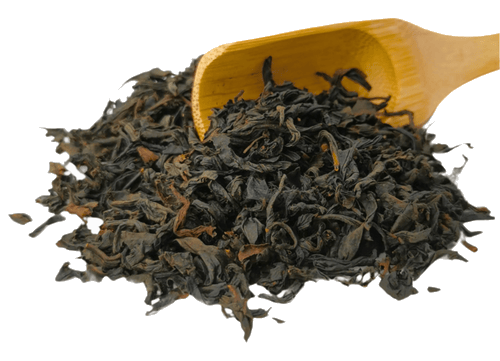
The kettle has just boiled and you are wondering whether that cup of yerba mate is going to keep you awake past bedtime. Fair question. Yerba mate caffeine sits at roughly 80 milligrams per cup, which puts it on par with a standard cup of coffee. That surprised a few customers who assumed anything labelled 'herbal' would be gentle. It is not. Mate comes from Ilex paraguariensis, a caffeinated South American plant, and while it is not a true tea from Camellia sinensis, it delivers a proper caffeine hit.
The tea in this guide: Yerba-Maté from £3.80 Shop it →
The exact amount depends on how you brew it, how much leaf you use, and whether you are refilling that cup through a bombilla all afternoon. A single tea-bag-style brew is milder; a traditional gourd topped up six or seven times can push well past 260 mg. Let us break it down.
At a glance
- One cup of yerba mate contains roughly 80 mg caffeine, similar to coffee
- Dry mate leaves contain 1 to 2 per cent caffeine by weight
- Traditional gourd brewing with repeated refills can exceed 260 mg per session
- Green mate and roasted mate have similar caffeine; roasting changes flavour, not caffeine
- If you are sensitive to caffeine or pregnant, count mate towards your daily limit
How much caffeine is in yerba mate?
Research puts caffeine in dry yerba mate leaves at 1 to 2 per cent by weight, alongside 0.3 to 0.9 per cent theobromine and trace theophylline. In a finished cup of around 150 ml, that translates to about 80 mg of caffeine, roughly the same as a cup of filter coffee.
But that 80 mg figure assumes one steep, one cup, then done. Traditional mate drinking works differently. You fill a gourd (the matero) with dry leaf to roughly a quarter of its volume, add water at 65 to 80°C, and sip through a metal straw called a bombilla. Then you top it up again. And again. Six or seven refills can push your total caffeine intake past 260 mg in a single sitting. That is more than two espressos.
| Preparation | Approximate caffeine | Notes |
|---|---|---|
| Tea bag (single steep) | 30 to 50 mg | Milder, similar to green tea |
| French press (1 tbsp loose leaf) | 50 to 60 mg | Standard single-cup method |
| Traditional gourd (single pour) | ~80 mg | Comparable to coffee |
| Traditional gourd (6–7 refills) | Over 260 mg | Equivalent to several coffees |
Why does brewing method matter so much?
Caffeine extraction depends on leaf dose, water temperature, steep time and how many times you go back for more. A quick dip of a tea bag in hot water pulls less caffeine than a tablespoon of loose leaf left in a French press for five minutes. And neither comes close to the repeated infusions of a proper gourd session.
One study found that brewing 3.5 g of mate per 100 ml at 70°C for 45 minutes yielded 25.5 mg of caffeine per 100 ml. Boiling water for the same time produced only 13.1 mg. Cold-brewed tereré (the iced version) actually extracted about 2.5 times more caffeine than hot chimarrão in the same study. Temperature, time, method: they all shift the number.

Herbal Tea
Maté has a bold, grassy, earthy flavour. It contains caffeine, despite being a herbal infusion.
Have a lookHow does yerba mate compare to coffee and tea?
If you are switching from coffee to mate expecting a gentler ride, the caffeine content alone will not guarantee it. Cup for cup, they are similar. But mate also contains theobromine (the compound in chocolate) and theophylline (found in green tea), and some drinkers report a different quality of alertness: less jittery, more sustained. That said, those testimonials have not been scientifically proven.
| Drink | Caffeine per cup |
|---|---|
| Yerba mate (gourd) | ~80 mg |
| Filter coffee | 80 to 100 mg |
| Espresso (single shot) | 60 to 70 mg |
| Black tea | 40 to 70 mg |
| Green tea | 20 to 45 mg |
If you are looking at mate vs coffee, the caffeine is comparable. The flavour is completely different: mate is grassy, vegetal, sometimes smoky, depending on processing. It is not trying to be coffee; it is its own thing.

Does roasted yerba mate have less caffeine?
No. This catches people out. Roasted Yerba Mate tastes warmer, toastier, more coffee-like, but roasting is a flavour process, not decaffeination. The caffeine stays put. If you need to avoid caffeine entirely, mate in any form is not the answer.
The same applies to green mate. Green Yerba Mate keeps more of the grassy, bitter character, while roasting smooths things out. Both contain caffeine. Choose between them based on flavour, not stimulant content.
Yerba mate benefits: what does the research say?
Let us be clear: mate is a drink, not a medicine. Porter Hill does not make health claims, and you should talk to your GP about anything medical. But since people search for yerba mate benefits, here is what researchers have looked at.
Some small studies have explored effects on cholesterol, blood sugar and exercise performance. A 2019 study of 119 women with overweight found daily mate consumption reduced total and LDL cholesterol over 12 weeks. Other studies found no significant effect. Research on blood sugar and insulin sensitivity shows some promise but needs more human trials. As for weight loss, human studies have not consistently shown results.
The evidence is mixed and mostly from small studies. Drink mate because you enjoy it, not because you are expecting miracles.
Common myths about yerba mate caffeine
'Mate contains mateine, not caffeine'
This one has been floating around for years. Some older sources claimed mate contained a unique stimulant called mateine. It does not. Mateine is just caffeine with a different name. The stimulant in mate is the same xanthine alkaloid found in coffee, tea and chocolate.
'Herbal means caffeine-free'
In the UK, we often use 'herbal tea' to mean caffeine-free infusions like chamomile or peppermint. Mate breaks that assumption. It is herbal in the sense that it does not come from Camellia sinensis, but it is naturally caffeinated. If you want a caffeine-free alternative with some depth, try our Caffeine-Free Tasting Box or a plain rooibos.
'Cold mate has less caffeine'
Actually, some research suggests the opposite. Cold-brewed tereré extracted more caffeine per 100 ml than hot mate in at least one study. Temperature affects extraction, but colder does not automatically mean milder.

Herbal Tea
Roasted maté with coffee-like depth and warm toast notes. This herbal infusion contains caffeine.
Have a lookA brief history of yerba mate
Mate has been drunk in South America for centuries. The Guarani people were the first documented users, long before Europeans arrived. Jesuit missionaries began professional cultivation around 1670, turning it into a commercial crop. When the Jesuit order was dissolved in 1775, the plantations were destroyed, and large-scale cultivation only resumed in the mid-twentieth century.
Today, Argentina is the largest producer, followed by Brazil and Paraguay. Combined production runs to about 1.4 million tons annually, though less than 5 per cent leaves South America. The name itself comes from Spanish and Quechua: yerba means herb, mate refers to the calabash gourd used for drinking.
Safety: caffeine and caution
Excessive caffeine intake (0.5 to 1.5 grams) can cause headaches, increased heart rate, raised blood pressure, anxiety, agitation, digestive upset and insomnia. The reported lethal dose is 10 to 12 grams, far beyond normal drinking, but worth knowing if you are refilling that gourd all day.
During pregnancy, the NHS advises no more than 200 mg of caffeine daily from all sources. Yerba mate counts. Two traditional gourd sessions could put you over. If you are pregnant, breastfeeding, or have concerns about caffeine and medication, talk to your midwife, GP or pharmacist.
There is also a note about processing: traditionally, mate leaves are dried over wood smoke, which can introduce polycyclic aromatic hydrocarbons (PAHs). High consumption has been associated with increased cancer risk in some studies, though the picture is complicated by factors like drinking temperature and tobacco use. Modern processing methods vary; if this concerns you, look for smoke-free or air-dried options.
How to brew yerba mate at home
- Use one teaspoon of loose leaf per cup for a single-steep brew, or fill a gourd to roughly a quarter of its volume for traditional drinking.
- Heat water to 65 to 80°C. Boiling water extracts less caffeine and can make the cup more bitter.
- Pour water over the leaf and steep for 3 to 5 minutes.
- Strain completely (cup method) or sip through a bombilla (gourd method).
- For traditional mate, refill with fresh hot water up to six or seven times until the leaf loses flavour.
Plain is the best way to taste the leaf first. Roasted mate suits a splash of milk; green mate works well with a squeeze of lemon or a touch of honey.
What to try next
If you want that coffee-like depth without actual coffee, Roasted Yerba Mate delivers warm toast and nut notes with the caffeine to match. For the grassy, traditional character, Green Yerba Mate is the one. If you are after something caffeinated but completely different, the Dark Woods Black Hill Coffee is a bold roast from a local roaster. And if caffeine is the problem rather than the point, the Caffeine-Free Tasting Box brings five herbal teas together for evenings or all day.
Not sure where to start? The Tea Finder quiz takes about a minute and points you in the right direction.

Letterbox gift
Five caffeine-free herbal teas for evenings, after dinner or all day: mint, chamomile, fruit and ginger.
Have a lookFree UK delivery on orders over £35, and we pack orders by hand in Huddersfield. If you are local, call into the shop in Byram Arcade, Huddersfield, and we will talk you through the difference between green and roasted mate over the counter. The kettle is always on.
Frequently asked questions
How much caffeine is in yerba mate?
A standard cup contains roughly 80 mg of caffeine, similar to filter coffee. The exact amount depends on how much leaf you use, water temperature, steep time and whether you are refilling. Traditional gourd drinking with multiple refills can exceed 260 mg per session.
Is yerba mate stronger than coffee?
Cup for cup, caffeine levels are comparable. A single pour of mate has about the same caffeine as a cup of filter coffee. However, if you are refilling a traditional gourd six or seven times, you will consume considerably more caffeine than a single coffee.
Does roasted yerba mate have caffeine?
Yes. Roasting changes the flavour, not the caffeine content. Roasted mate tastes warmer and more coffee-like, but it still contains the same stimulant as green mate. If you need to avoid caffeine, choose a verified caffeine-free herbal infusion instead.
Can I drink yerba mate while pregnant?
Yerba mate contains caffeine, which counts towards the NHS-recommended limit of 200 mg daily during pregnancy. One cup is unlikely to cause problems, but track your total intake from all sources. Talk to your midwife or GP if you are unsure.
Is yerba mate caffeine-free?
No. Despite being a herbal infusion (not from the tea plant), yerba mate naturally contains caffeine. A cup has about as much caffeine as coffee. For caffeine-free alternatives, try rooibos, chamomile or other true herbal infusions.
What are the benefits of yerba mate?
Some small studies have looked at effects on cholesterol, blood sugar and exercise, with mixed results. The evidence is limited and not enough to make health claims. Yerba mate is a drink, not a medicine. Enjoy it for the flavour and the caffeine, and speak to your GP about any health questions.
Sources: PMC (Yerba Mate—A Long but Current History) · Cleveland Clinic · Healthline · NHS