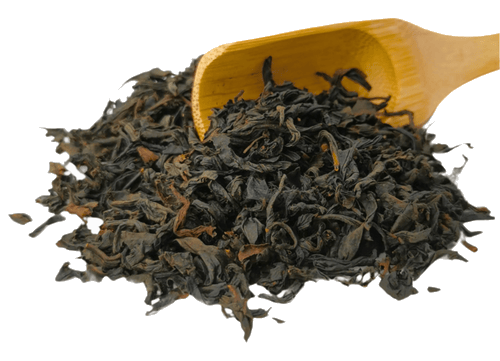
Yorkshire Tea Culture: Why the County Takes Its Brew Seriously

Ask someone from Yorkshire how they take their tea and you will get a precise answer. Strong. Splash of milk. No messing about. It is not fussiness; it is standards. Yorkshire tea culture runs deeper than any single brand or blend. It is wrapped up in the county's industrial past, its no-nonsense character, and the simple belief that if something is worth doing, it is worth doing properly.
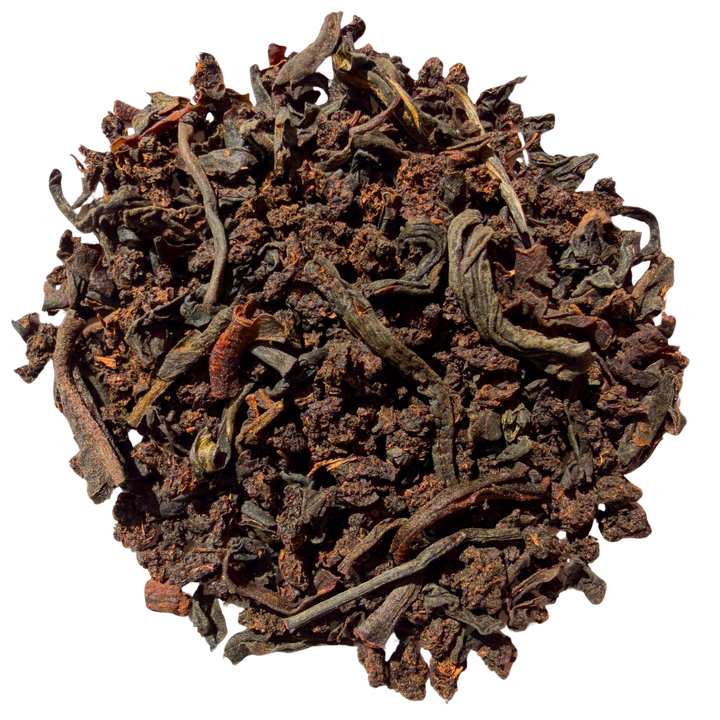
The tea in this guide: English Breakfast from £3.20 Shop it →
The short answer to why Yorkshire loves tea: the working classes here adopted it during the Industrial Revolution, when long shifts in mills and factories demanded something hot, strong and sustaining. Tea became fuel. By the late Victorian era, it was universal across British society, but in Yorkshire it became something closer to an identity. A proper brew still matters here in a way that puzzles outsiders.
At a glance
- Tea took hold in Yorkshire during the 19th century, driven by the Industrial Revolution
- British people drink around 100 million cups of tea daily
- Yorkshire's hard water historically shaped how blends were developed for the region
- A 'proper brew' means strong black tea, generous milk, brewed long enough to stand up for itself
- Tea remains a symbol of hospitality, warmth and welcome across the county
How tea came to Yorkshire
Tea arrived in England in the mid-17th century as an aristocratic curiosity. Catherine of Braganza, the Portuguese princess who married Charles II in 1662, brought her tea-drinking habits to the English court, and the fashion slowly spread among the wealthy. For the next century or so, tea remained a luxury: expensive, exotic, and firmly out of reach for ordinary folk.
That changed during the 19th century. Plantations in India and Sri Lanka drove prices down, and tea became affordable for working-class households. In Yorkshire, the timing was perfect. The Industrial Revolution had transformed the county into a powerhouse of textile mills, ironworks and coal mines. Workers needed something to see them through twelve-hour shifts, and tea fitted the bill: hot, reviving, and cheap enough to drink by the mugful.
By the late Victorian era, tea was described as universal across British society, from aristocratic afternoon tea to the strong 'builders' brew' of the working class. Yorkshire embraced it with particular enthusiasm. Tea subsequently became a staple consumed by people from all walks of life, and offering guests a cup became a customary sign of hospitality.

Why Yorkshire takes its brew so seriously
There is something in the Yorkshire character that suits tea. The county has never been one for showing off. A good cup of tea is honest, unpretentious, and does exactly what it promises. It does not need a fancy name or a complicated ritual. You boil the kettle, warm the pot, let it mash properly, and pour. No fuss.
That practicality has roots in the mills and factories. Tea breaks were brief and precious. A weak cup was a wasted opportunity. Workers wanted something strong enough to cut through the dust and noise, something that would warm you from the inside and get you through to the next break. That expectation stuck.
Tea also became a social ritual. A cup offered to a visitor is still a mark of welcome across the county. It says: sit down, you are among friends, let us have a proper chat. The kettle going on is the first thing that happens when someone walks through the door. Refusing a cup is borderline rude.

Black Tea
A full-bodied, malty breakfast blend that takes milk well. Kettle on, toast in.
Have a lookThe hard water question
Yorkshire's water is famously soft in most areas, which helps tea brew cleanly. But not everywhere has the same supply. In hard-water regions, minerals can react with compounds in tea and produce a scummy film on the surface. It looks unappetising and affects the taste.
Early tea merchants in the county noticed this. Anglotopia reports that Charles Taylor, who founded what became Taylors of Harrogate in 1886, identified that water quality affected brewed tea. His company developed blends suited to local water conditions, including variations for Leeds, York, Sheffield and Harrogate. That attention to local detail helped shape the Yorkshire approach to tea: it should be blended for where you live, not just where it was grown.
What makes a proper Yorkshire brew
Ask ten Yorkshire folk and you will get ten slightly different answers, but some principles are non-negotiable:
- Use freshly drawn water, brought to a rolling boil
- Warm the pot or mug first (optional but approved)
- Use enough tea: one teaspoon per cup, or one bag that has not been reused three times already
- Let it brew. Three to five minutes is common. Dunking once and fishing it out is a crime
- Add milk after the tea, not before (this is contested, but the milk-second camp is vocal)
- No sugar unless you really want it, but nobody will judge out loud
The result should be a cup with proper colour and body. Not pale, not stewed, just right. Strong enough to stand a spoon in, as the old joke goes.
| Element | Yorkshire expectation | Common mistake |
|---|---|---|
| Water | Fresh, fully boiled | Reboiled or lukewarm |
| Brewing time | 3 to 5 minutes | 30-second dunk |
| Milk | Splash, added after | Half a mug of milk |
| Strength | Proper colour, not see-through | Insipid beige |
The rituals that still matter
Tea punctuates the Yorkshire day. Most British households drink four to six cups daily, with some heavy drinkers reaching ten or more. The structure is familiar: morning tea to start the day, elevenses around 11am with a biscuit, an afternoon cup around 3pm, and often another after dinner.
In workplaces, the tea round is a minor social contract. Someone takes orders, brews each cup to specification, delivers them to desks, and receives thanks. Getting it wrong is remembered. Getting it right earns quiet respect.
At home, the first question when someone arrives is usually about tea. Not 'how are you?' but 'kettle's on, how do you take it?' The answer is expected to be immediate and specific.

Letterbox gift
Five strong loose leaf breakfast teas that all take milk, from a smooth English Breakfast to a smoky Huddersfield blend.
Have a lookYorkshire tea culture vs the brands
It is worth separating Yorkshire tea culture from any particular brand. The habits, the expectations, the rituals were already embedded in the county long before anyone put 'Yorkshire' on a box. Regional blends succeeded partly because they understood and reflected that culture, not because they created it.
According to The Yorkshire Post, around 90% of tea sales are now in teabags, though loose-leaf tea has been making a comeback as more premium cafés and restaurants open and serve it. The taste profile expected of a traditional Yorkshire brew has remained largely unchanged for decades.
Why Yorkshire still loves tea
The UK tea market has been in long-term decline since the 1970s. Coffee, bottled water and fruit teas have all grown at tea's expense. Mintel data cited by WARC found that 35% of English breakfast tea drinkers aged 55 to 64 consumed five or more cups daily, compared with just 16% of those aged 16 to 24 in 2016.
Yet tea holds on in Yorkshire with a stubbornness that feels very local. The ritual matters. The comfort matters. A cup of tea is still the response to good news, bad news, boredom, celebration, grief and visitors. It is not fashionable. It is just what you do.
There is also fierce loyalty. A 2022 survey of 2,000 people by Harvey Nichols found that tea brand loyalty among Britons was comparable with loyalty to their hairdresser, supermarket, phone handset and sports team. In Yorkshire, that loyalty can extend to specific blends, specific mugs, and specific ways of making it. Mess with someone's tea and you will hear about it.
A note on afternoon tea
Formal afternoon tea, with tiered stands of sandwiches and scones, was codified in the 1840s by Anna, Duchess of Bedford, who wanted something to bridge the gap between lunch and a late dinner. That tradition spread through the upper classes and eventually into hotels and tearooms across the country.
Yorkshire has its share of fine afternoon teas, from historic tearooms in Harrogate to smaller establishments in market towns. But that is not what most Yorkshire folk mean when they talk about tea. The everyday Yorkshire brew is a mug, not a china cup. It comes with a biscuit if you are lucky, not a three-tier stand. The formality is optional; the strength is not.

What to try next
If you want to explore proper strong breakfast teas, English Breakfast is the classic: full-bodied, malty and happy with milk. For something with more regional character, Weaver's Blend is our Huddersfield-inspired brew with malt, toast and a thread of smoke. If you want to taste five strong breakfast teas side by side, the Breakfast Tea Tasting Box lets you compare them cup by cup.
Not sure where to start? The Tea Finder will point you in the right direction.
Order online with free UK delivery on orders over £35. Or call into the shop in Byram Arcade, Huddersfield, and we will put the kettle on.
Frequently asked questions
Why is Yorkshire tea so strong?
Yorkshire's tea culture developed among industrial workers who needed something robust and sustaining during long shifts. Weak tea was a wasted opportunity. The preference for strong brews stuck, passed down through generations and reinforced by local blenders who understood what their customers wanted.
What is the best tea in Yorkshire?
That depends on who you ask. Independent tea shops and tearooms across the county offer everything from classic English Breakfast to single-origin Assams and oolongs. The best tea is the one brewed properly to your taste.
Why do British people drink so much tea?
Tea became affordable in the 19th century and quickly embedded itself in daily life. British people drink around 100 million cups daily, with most households averaging four to six cups. It is habit, comfort, social ritual and the answer to almost any situation.
Is Yorkshire water good for tea?
Much of Yorkshire has naturally soft water, which helps tea brew cleanly without mineral interference. In harder water areas, some compounds in tea can react with calcium carbonate and create a surface scum. Blenders historically adjusted their recipes to suit different local water supplies.
What is builders' brew?
Builders' brew means strong black tea with generous milk and often one to three teaspoons of sugar, served in a sturdy mug. It is functional rather than ceremonial, designed to revive and sustain. The name reflects its popularity on building sites, but it describes a style, not a specific brand.
When did tea become popular in Yorkshire?
Tea began taking hold in Yorkshire during the 19th century, driven by falling prices and the demands of industrial workers. By the late Victorian era it was a staple across all social classes, and the habits formed then still shape how Yorkshire drinks tea today.
Sources: Anglotopia · The Yorkshire Post · WARC