Benefits of Tea: What the Research Actually Says

Pour a cup of tea and you might wonder whether it's doing you any good beyond warming your hands. The short answer: probably yes, modestly, but not in the miracle ways some boxes suggest. Research links regular tea drinking with associations to heart health, longevity and possibly lower risk of certain conditions, but these are observational findings, not proof that your mug prevents disease. Tea is a drink, not medicine, and the best reason to brew one is still that you enjoy it.
The tea in this guide: Green Tea Tasting Box from £15.95 Shop it →
That said, the science is genuinely interesting. Tea contains polyphenols, caffeine and other compounds that researchers have studied for decades. Here's what they've found, where the evidence is limited and what it all means for an ordinary cup on a wet Tuesday.
At a glance
- True teas (black, green, white, oolong) come from Camellia sinensis; herbal infusions are different plants with different compounds.
- Observational studies link 2 to 3 cups daily with lower risks of heart disease, stroke and premature death, but can't prove tea caused the benefit.
- A laboratory finding or extract study is not proof your brewed cup does the same thing.
- Caffeine content varies: black tea roughly 42 to 79 mg per mug, green tea 9 to 63 mg.
- No single tea prevents disease, cures illness or replaces a healthy lifestyle.
What's actually in your cup?
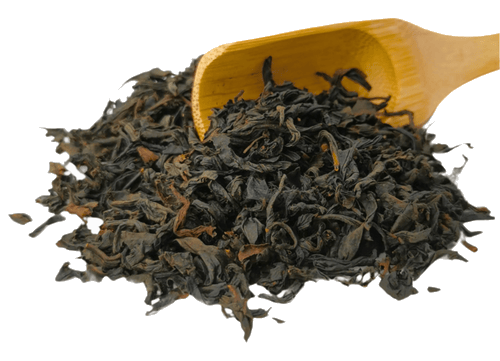
All true tea comes from the leaves of Camellia sinensis, a plant native to China and Assam. Oregon State University's Linus Pauling Institute notes that processing determines the type: white tea uses unopened buds, green tea is minimally oxidised, oolong is partially oxidised and black tea is fully oxidised. Each step changes the flavour and the balance of compounds.
The main players are polyphenols, especially catechins in green tea and theaflavins in black. There's also caffeine and, in smaller amounts, the amino acid L-theanine. Herbal infusions such as chamomile, peppermint or rooibos contain entirely different plants and compounds, so research about one doesn't apply to another.
Is tea good for you? What the research shows
Hundreds of studies have looked at tea and health. Harvard Health summarises the picture: recent analyses found that higher tea consumption was associated with lower risks of heart disease, high blood pressure, stroke, diabetes and early death. A 2023 analysis of studies involving more than 410,000 people, published in PeerJ, suggested tea drinking might reduce dementia risk by up to 29 percent.
That sounds impressive, but these are associations, not proof of cause and effect. People who drink tea regularly may also have other habits that contribute to better health. Randomised controlled trials, the gold standard for proving a treatment works, are still needed.

Longevity and everyday drinking
A 2024 study in Nutrition Journal found that US adults drinking 3 to 5 cups of tea daily had a 2-year higher life expectancy than non-tea drinkers. At age 50, tea drinkers were expected to live 33 more years versus 31 for non-drinkers. A 2022 Annals of Internal Medicine study of 500,000 people in the UK found that those drinking at least 2 cups daily had a reduced risk of death over more than 10 years of follow-up. Most participants drank black tea, and AARP notes that unsweetened tea appeared more beneficial than sweetened.
Heart health
A 2024 study in Health Science Reports linked high tea intake with a 50 percent lower risk of heart disease and a 28 percent lower risk of heart failure. Other research suggests tea may lower blood pressure modestly and improve cholesterol profiles. Green tea extracts produced a small blood pressure reduction in a meta-analysis of 14 randomised trials, though the studies were small.
What about cancer?
Despite extensive research, current evidence does not support tea for preventing most cancers. The US National Center for Complementary and Integrative Health says that definite conclusions cannot yet be reached for most promoted uses of green tea. A laboratory effect is a reason to investigate, not proof your mug does the same thing.

Letterbox gift
Five loose leaf green teas from Japan and China, from grassy Sencha to jasmine, Dragonwell and rolled gunpowder.
Have a lookGreen tea benefits: the research picture
Green tea gets the most headlines, largely because it's high in catechins, especially EGCG. Cleveland Clinic dietitian Beth Czerwony calls green tea the 'champ' and 'Swiss Army Knife of teas' for overall wellness, but is careful to note it's 'not a magic potion'.
A 2020 observational study of 5,000 people in Japan, published in BMJ Open Diabetes Research & Care, found that drinking four cups of green tea per day was associated with a 40 percent lower risk of premature death. That's a striking number, but again observational: it can't prove the tea caused the effect.
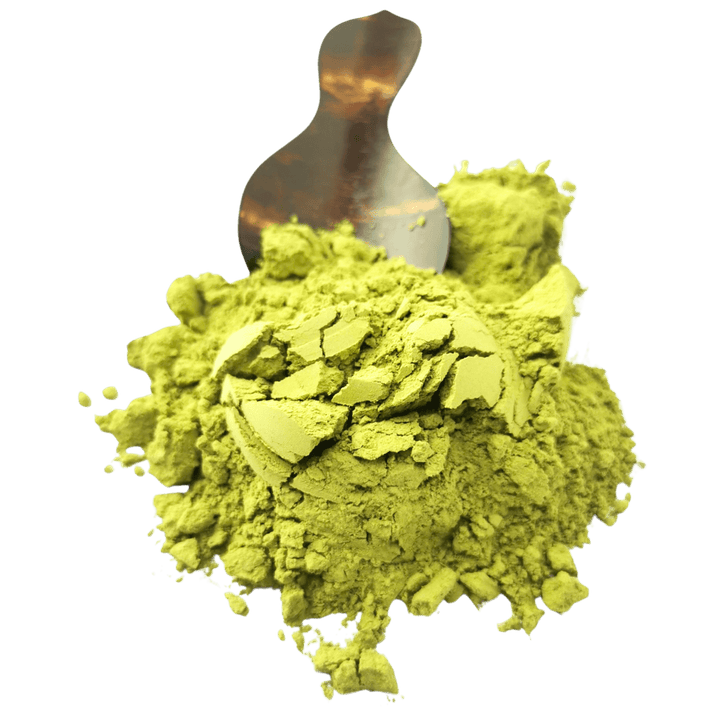
For a deeper look at one specific green tea, our matcha benefits guide covers what makes that powdered tea different.
Black tea benefits
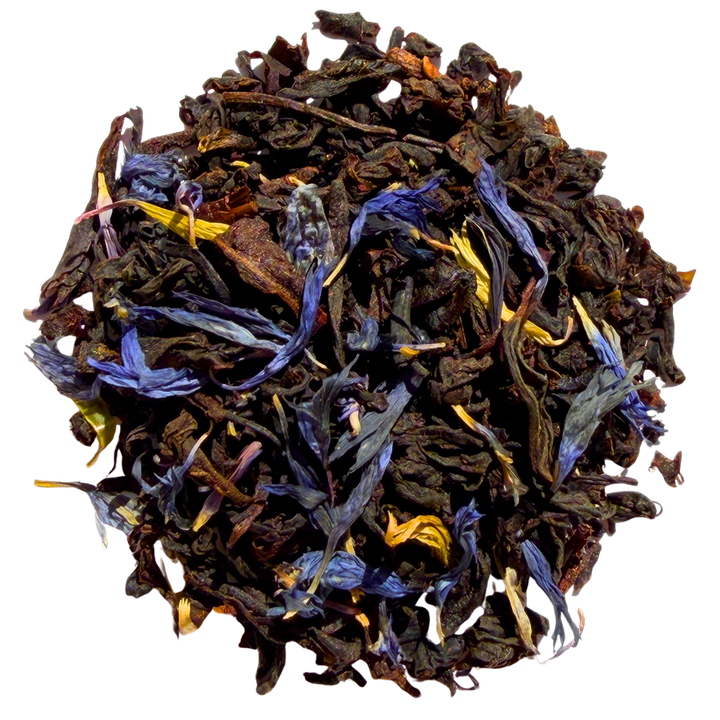
Black tea is the most popular tea worldwide and accounts for about 84 percent of US consumption. It contains less catechins than green tea but more theaflavins and thearubigins, formed during oxidation. These have antioxidant and anti-inflammatory effects in laboratory studies.
In 82,369 Japanese adults followed an average of 13 years, 2 to 3 cups of green tea daily was associated with 14 percent lower stroke risk; 4 or more cups with 20 percent lower risk. A separate analysis reported at least 3 cups of black or green tea daily associated with a 21 percent lower stroke risk. Black tea lowered LDL cholesterol by almost 5 mg/dL in a meta-analysis, though evidence quality was limited.
What about herbal teas?
Herbal infusions come from different plants and have different compounds. Cleveland Clinic notes some specific associations:
- Hibiscus: may lower blood pressure and LDL cholesterol, attributed to its high antioxidant levels.
- Ginger: may relieve nausea and indigestion by helping food move through the digestive tract.
- Peppermint: may help lower-gut digestive issues but can worsen acid reflux in some people.
These are not certainties, and research is more limited than for true tea. For more on caffeine-free options, see our rooibos benefits article.

Letterbox gift
Five of our best-selling herbal teas in one letterbox box: ginger and turmeric, spiced kadha, dandelion, nettle and lemon balm.
Have a lookCommon myths about tea benefits
'Detox tea cleanses your system'
It doesn't. Your liver and kidneys handle detoxification; tea is for flavour and comfort. Our detox tea guide explains what to look for and what to ignore.
'Green tea burns fat'
Evidence that caffeine and catechins produce meaningful real-world weight loss is inconclusive. Green tea extract supplements have not produced meaningful weight loss in overweight or obese adults, and some products have been linked to rare liver damage. Our green tea and weight article covers this properly.
'The hotter the better'
Actually the opposite. Harvard's Nutrition Source notes that tea hotter than 65°C (140°F) is classified by IARC as 'probably carcinogenic' for oesophageal cancer. Let your tea cool a little before drinking. It tastes better that way too.
How much caffeine is in tea?
It varies by type, brewing time and how much leaf you use. Here's a rough guide from Oregon State University:
| Type | Caffeine per 240ml mug |
|---|---|
| Black tea | 42 to 79 mg |
| Green tea | 9 to 63 mg |
| Oolong tea | Similar to green |
| Brewed coffee | 72 to 130 mg |
| Rooibos / herbal | 0 mg |
EFSA notes that 100 mg close to bedtime may affect sleep in some adults. If you're sensitive, switch to caffeine-free options after mid-afternoon.
A note on safety
The NHS advises no more than 200 mg caffeine a day during pregnancy and recommends avoiding certain herbal teas, including liquorice root. If you have a health condition, are pregnant or take medication, check NHS guidance or speak to your midwife, GP or pharmacist about specific herbs before brewing. Tea is not a substitute for medical advice.
What to try next
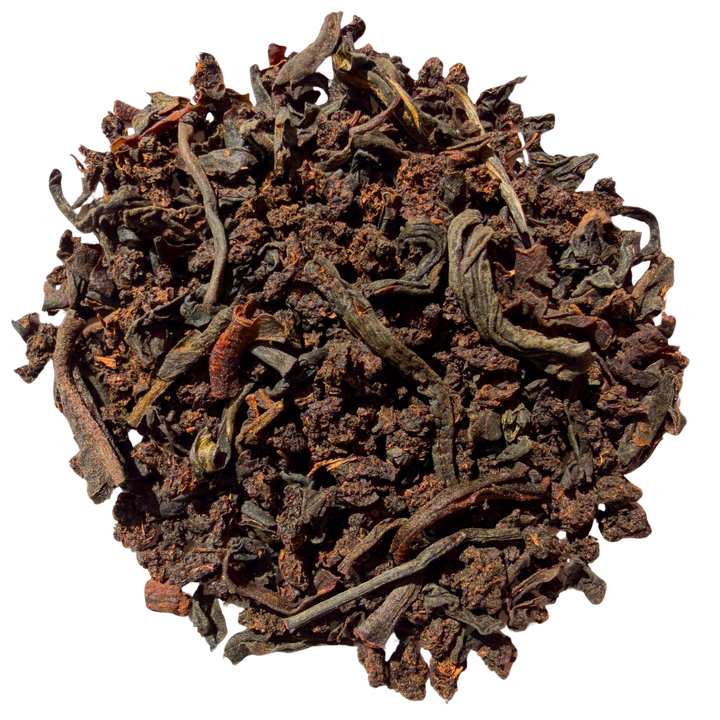
If you're curious about green tea, our Green Tea Tasting Box includes five loose leaf greens from Japan and China, from grassy Sencha to jasmine and Dragonwell. For a strong morning cup, English Breakfast is malty, full-bodied and takes milk well. If caffeine is a concern, Rooibos Tasting Box offers five caffeine-free blends to try side by side.
Not sure where to start? The Tea Finder asks a few quick questions and points you to something you'll actually enjoy.
We offer free UK delivery on orders over £35. Or call into the shop in Byram Arcade, Huddersfield, and we'll talk you through what's on the shelf. The kettle's always on.
Frequently asked questions
Does green tea really have health benefits?
Observational studies link regular green tea consumption with lower risks of heart disease, stroke and premature death, but these are associations, not proof. Laboratory findings about catechins don't automatically translate to your brewed cup. Enjoy green tea for its flavour; speak to a GP about health questions.
Is black tea good for you?
Research associates 2 to 3 cups of black tea daily with modestly lower stroke risk and improved cholesterol. It's the most studied tea after green. That said, tea is a drink, not a treatment, and no single cup prevents disease.
How much tea should I drink a day?
Most studies showing associations with health benefits looked at 2 to 5 cups daily. More than about 6 cups (over 300 mg caffeine) may contribute to elevated blood pressure or sleep disruption in some people. Listen to your own body and adjust accordingly.
What are the benefits of chamomile tea?
Chamomile is a herbal infusion, not true tea, and research is more limited. It's traditionally used for relaxation, but clinical evidence is modest. It's caffeine-free and pleasant before bed. Our tea for sleep article covers this in more detail.
Can I drink herbal tea during pregnancy?
The NHS advises caution with certain herbal teas during pregnancy, including liquorice root. Caffeine should be limited to 200 mg daily. Check NHS guidance or ask your midwife about specific herbs before brewing.
Is it safe to drink tea every day?
For most people, yes. Keep an eye on caffeine intake if you're pregnant or sensitive to it, and check NHS guidance if you take medication or have a health condition. Plain tea without unusual herbs is generally safe as part of a balanced diet.
Sources: Harvard Health · Cleveland Clinic · Linus Pauling Institute · Harvard Nutrition Source · AARP