Gongfu Tea: How to Brew Chinese Tea the Traditional Way

Gongfu tea is the art of making more from less. You use a small pot, a generous handful of leaves and infusions so short they sound like a mistake: five seconds, ten seconds, maybe fifteen. Then you do it again. And again. The same leaves might give you eight cups, or twelve, each one a little different from the last. It is not about speed or ceremony. The word gongfu means skill developed through practice, and the method rewards attention rather than haste.
The tea in this guide: Formosa Oolong from £6.85 Shop it →
The technique probably developed around the eighteenth century in the tea-growing regions of Fujian and the Chaoshan area of eastern Guangdong, where oolong production was already well established. In Chaoshan today, gongfu cha is less a formal ritual than a daily habit: families gather, shops pause, and someone puts the kettle on. The focus is on friends, conversation and a shared pot, not on counting steps or performing for an audience.
At a glance
- Gongfu uses 5 to 8 g of leaf per 100 ml, steeped for 5 to 30 seconds
- Expect 8 to 15 infusions from the same leaves
- Best for oolong, pu-erh and some black teas
- A 100 to 150 ml gaiwan or small teapot is ideal
- Rinse the leaves briefly before the first real infusion
- Each steep changes: lighter, sweeter, softer or more complex
What is gongfu cha?
Gongfu cha (工夫茶 or 功夫茶) translates roughly as 'making tea with skill'. It is a brewing method rather than a single ceremony, and it works by concentrating flavour into short, repeated infusions. Where Western-style brewing might use 2 g of tea in 200 ml for three to five minutes, gongfu uses about 5 to 8 g per 100 ml and steeps for as little as five seconds. The result is more intense, more nuanced and far more generous with refills.
The method suits teas that can handle multiple infusions without turning bitter or flat. Oolong is the classic choice, but roasted black teas and pu-erh work beautifully too. Green tea is trickier: it often gives fewer rounds and needs cooler water, but a gentle hand can still coax several good cups from a small pile of leaves.

How to brew gongfu tea step by step
You do not need a museum's worth of equipment. A small teapot or gaiwan, a fairness pitcher (or just a second cup), a few tiny cups and a kettle with temperature control will get you started. Traditional gongfu cups hold only 15 to 30 ml, which sounds stingy until you realise you will be filling them over and over.
- Warm your gaiwan or teapot by pouring hot water in, swirling it around and discarding it. Do the same with the cups.
- Add 5 to 7 g of tea for a 100 to 120 ml vessel. This looks like a lot. It is meant to.
- Pour water at the temperature listed below just to cover the leaves. Steep for two to three seconds, then pour this rinse away. This wakes the leaves and clears any dust.
- Pour fresh water over the leaves and steep for 5 to 15 seconds, depending on the tea.
- Decant completely into the fairness pitcher, then pour into cups. Leaving liquid in the pot oversteeps the next round.
- Repeat, adding a few seconds to each infusion. Taste and adjust: if it is too strong, steep shorter; if it fades, steep longer.
The first few infusions often taste brighter and more floral. Middle rounds tend to be the fullest and most complex. Later steeps grow softer, sweeter, sometimes revealing notes that were hiding earlier. The fun is in watching the tea change.

Oolong Tea
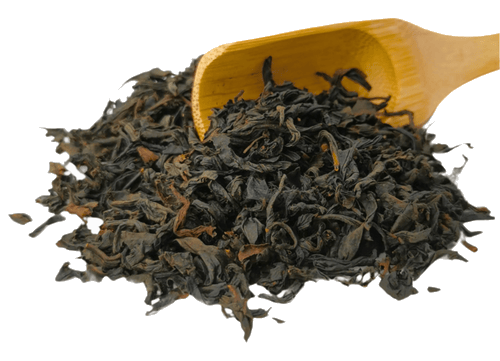
Taiwanese oolong with gentle sweetness, toasted notes and a pleasantly dry finish.
Have a lookGongfu brewing temperatures and times
These numbers are starting points, not commandments. The leaf, your water, the vessel and your own taste all matter. Adjust as you go.
| Tea type | Temperature | Leaf (per 100 ml) | First infusion | Typical rounds |
|---|---|---|---|---|
| Light oolong | 90 to 95°C | 5 to 7 g | 8 to 12 s | 8 to 12 |
| Roasted or dark oolong | 95 to 100°C | 6 to 8 g | 5 to 10 s | 8 to 15 |
| Pu-erh (raw or ripe) | 95 to 100°C | 5 to 7 g | 5 to 8 s | 10 to 15+ |
| Black tea | 95 to 100°C | 4 to 6 g | 10 to 15 s | 5 to 8 |
| White tea | 80 to 90°C | 4 to 5 g | 15 to 20 s | 6 to 10 |
| Green tea | 75 to 85°C | 3 to 4 g | 15 to 20 s | 3 to 5 |
Oolong is the natural home for gongfu. Taiwanese high-mountain oolongs, Fujian Tieguanyin and Wuyi rock teas like Dahongpao were practically designed for this method. If you want to try gongfu with a tea you already have, start with a smooth, medium-oxidised oolong and see how many rounds you can coax from it.
What equipment do you need for a gongfu tea set?
A gaiwan (a lidded bowl) is the most versatile choice. Porcelain or glass works for any tea; you can watch the leaves unfurl and switch teas without flavour carryover. A 100 to 120 ml gaiwan is a good size for one or two people.
Yixing clay teapots are the connoisseur's choice for oolong and pu-erh. The unglazed clay absorbs tea oils over time, so devotees keep one pot for one tea only. They also hold heat better than porcelain, which suits the higher temperatures pu-erh and dark oolong need. Genuine Yixing pots range from about £30 to well over £100, and fakes are common, so buy from someone you trust.
A fairness pitcher (gong dao bei) lets you decant the entire brew before pouring into cups, so everyone gets tea steeped for the same length of time. A small glass jug or even a second cup does the job. A strainer is optional but useful if you dislike stray leaves.
Scales accurate to 0.1 g help with consistency, especially while you are learning. A temperature-controlled kettle saves guesswork. A tea tray with drainage catches spills and rinse water, though a towel and a bowl work just as well.
Common mistakes when brewing gongfu
The biggest error is not using enough leaf. It feels wasteful to drop 6 g into a tiny pot, but gongfu extracts flavour gradually rather than all at once. Skimp on leaf and you get thin, forgettable cups.
Leaving liquid in the pot between rounds is the second trap. Even a small puddle keeps steeping the leaves and makes the next infusion harsh. Pour completely, every time.
Water quality matters more than you might expect. Distilled or extremely soft water produces a flat brew; very hard water can taste mineral and dull. Filtered tap water or bottled spring water is usually fine. If your local tap water tastes good on its own, try it before buying bottles.
Finally, do not skip the rinse. A quick flash of hot water over the dry leaves washes away dust, helps tightly rolled teas begin to open and warms the leaf for a cleaner first infusion. It only takes a few seconds.

Oolong Tea
Creamy oolong with floral notes and a gentle caramel sweetness. A lovely one to linger over.
Have a lookGongfu versus Western brewing
Western brewing is designed for convenience: a teaspoon of leaf, a mug of water, three to five minutes. You get one big cup. It works well for breakfast teas, blends and anything you want quickly.
Gongfu is designed for attention. You get many small cups, each one slightly different. The method asks more of you but rewards the effort with complexity and variety. It suits a quiet afternoon, a conversation with friends, or the kind of tea that deserves more than a single steep.
Neither method is better. They are different tools for different moments. A rushed Tuesday morning calls for a mug. A Sunday afternoon with nowhere to be calls for a gaiwan.
A brief history of gongfu tea
The name 'gongfu tea' first appeared in writing during the early Qing Dynasty (1616 to 1911), originally referring to the finest rock teas from Fujian rather than a brewing method. The technique itself probably emerged in the eighteenth century as oolong production grew in the Wuyi Mountains and spread to the Chaoshan region of Guangdong.
Chinese tea culture stretches back more than three thousand years, flourishing during the Tang Dynasty when tea became a mark of education and refinement. But gongfu cha is relatively recent, shaped by the availability of small Yixing clay teapots and the rise of loose-leaf tea after the Ming emperor Zhu Yuanzhang banned compressed tea cakes in the fourteenth century.
The method spread to Taiwan, where high-mountain oolongs are brewed gongfu-style, and eventually around the world. In Chaoshan, it remains everyday life: a pause in the day, a reason to sit down, a way to make time for the people in front of you.
What to try next
If you want to try gongfu brewing at home, start with an oolong that can handle the heat and give you plenty of rounds. Formosa Oolong is a Taiwanese classic with gentle sweetness, toasted notes and a pleasantly dry finish, built for multiple infusions. Quanzhou Milk Oolong is creamier and softer, with floral notes and a caramel sweetness that develops beautifully over several steeps.
For a more adventurous session, the Yunnan Tea Adventure box includes four Chinese teas in 25 g pouches, perfect for comparing cup by cup. If you are new to loose leaf entirely, the Tea Finder helps you narrow down by taste and occasion.

Gift Box
Yunnan Tea Adventure – Chinese Loose Leaf Tea Tasting Box
Four different teas in 25g pouches, with a brewing guide. Taste them side by side and find your favourite.
Have a lookOrder online for free UK delivery on orders over £35. You can also call into the shop in Byram Arcade, Huddersfield, where the kettle is always on.
Frequently asked questions
What is gongfu tea?
Gongfu tea is a traditional Chinese brewing method using a high ratio of leaf to water and short, repeated infusions. The name means 'making tea with skill'. It originated in the Chaoshan region of Guangdong and the Wuyi Mountains of Fujian, and works best with oolong, pu-erh and some black teas.
What do I need for a gongfu tea set?
At minimum, a small teapot or gaiwan (100 to 150 ml), a few tiny cups and a kettle. A fairness pitcher, strainer and accurate scales help but are not essential. Porcelain or glass suits most teas; Yixing clay is traditional for oolong and pu-erh.
How do you brew gongfu tea?
Warm your vessel, add 5 to 7 g of tea per 100 ml, rinse the leaves briefly, then steep for 5 to 15 seconds. Decant completely into a pitcher or cups. Repeat, adding a few seconds each round. Adjust time and temperature to taste.
What is a gongfu tea pot?
A gongfu teapot is a small pot, usually 60 to 200 ml, designed for short infusions. Yixing clay pots are prized because they absorb tea oils and improve with use, but porcelain and glass work well too. The small size keeps each infusion concentrated.
Is gongfu the same as a Chinese tea ceremony?
Not quite. Gongfu cha is a brewing technique, while a Chinese tea ceremony often involves more formal steps and presentation. In everyday practice, gongfu is relaxed and social, focused on enjoying the tea rather than performing a ritual.
Can you use green tea for gongfu brewing?
Yes, but with care. Green tea needs cooler water (75 to 85°C) and tends to give fewer infusions than oolong or pu-erh. Keep the steeps short and gentle. It is worth trying with a good-quality loose leaf like Jasmine Dragon Pearls or Lucky Dragon Hyson.
Sources: Wikipedia – Gongfu tea · Michelin Guide · Chinese Cultural Club