Keemun Tea: A Guide to China's Smooth, Cocoa-Rich Black Tea

If you've ever found your usual black tea a bit too brisk and wished it would sit back and open up as it cools, Keemun is worth knowing about. This Chinese black tea trades the malty punch of an English Breakfast for something more composed: a smooth cup with cocoa depth, gentle sweetness and fruity, wine-like notes that develop as it cools. It has enough body for a splash of milk, but the quieter details show themselves best when you start plain.
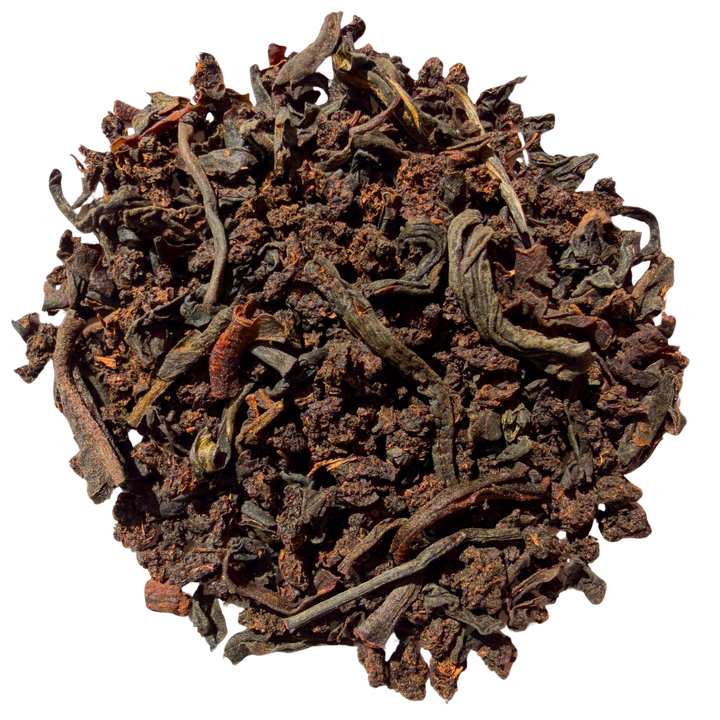
The tea in this guide: Organic Keemun Panda from £4.45 Shop it →
Keemun is the older English spelling of Qimen, a place in China's Anhui province where this style of black tea was first made in 1875. It became popular in the West and remains an ingredient in classic blends like Earl Grey. But on its own, brewed carefully, it's a proper sit-down tea: one that rewards you for slowing down.
At a glance
- Smooth Chinese black tea with gentle sweetness, soft cocoa and wine-like fruit notes
- Contains caffeine (full-leaf black tea from Camellia sinensis)
- Brew one teaspoon per cup in freshly boiled water for two to four minutes
- Best tasted plain first, then add a splash of milk if you prefer
- First produced in Qimen County, Anhui province, China in 1875
What is Keemun tea?
Keemun is a black tea from Qimen County in southern Anhui province, China. The growing region sits between the Yellow Mountains and the Yangtze River, in warm, moist terrain with well-drained soil. The area produced only green tea until the mid-1870s, when local makers—often connected with Yu Ganchen—began fully oxidising the small-leaf bushes and selling fragrant black tea. The style quickly gained international recognition and became one of China's three famous black teas.
In China, black tea is often called red tea after the copper colour in the cup. But in a Yorkshire tea shop, you'll find it in the black tea section alongside the breakfast blends and the Earl Greys. The name 'Keemun' is simply an older Western spelling of Qimen, pronounced roughly 'Chee-mun'.
Why does Keemun taste different from other black teas?
Where an Assam or a strong breakfast blend aims for brisk, malty punch, Keemun takes a different approach. It's made from Camellia sinensis var. sinensis, the Chinese varietal with smaller leaves than the Indian assamica plants. The result is a lighter, mellower tea with moderate astringency rather than a full-bodied wallop.
Production involves particularly slow withering and oxidation, which develops Keemun's characteristic depth. The leaves also contain a higher proportion of geraniol compared with other black teas, which contributes to the floral notes some drinkers notice. The sensory profile is gentle and layered: stone fruit, a little smokiness, soft cocoa, and a malty finish without bitterness.

What does Keemun black tea taste like?
Expect polish rather than punch. A well-brewed cup of Keemun has gentle sweetness, soft cocoa notes, and a fruit-and-wine depth that becomes more noticeable as the cup cools. Some people detect tobacco or toasty notes; others notice a dry, clean finish. It suits someone who likes a smooth, composed brew and is happy to pause over it.
The colour in the cup is reddish amber, lighter than a strong Assam but with real depth. If you're used to tea that wakes you up with a slap, Keemun might seem subtle at first. Give it a few cups. The complexity grows on you.

Black Tea
Smooth Chinese black tea with fruity, wine-like notes and a little cocoa depth.
Have a lookHow to brew Keemun tea
Keemun isn't fussy, but it does reward attention. Here's a straightforward method:
- Warm your pot or mug with a splash of just-boiled water, then tip it out.
- Add one level teaspoon of loose leaf per cup (roughly 150 to 180ml).
- Pour on freshly boiled water at 100°C.
- Steep for two to four minutes. Start at two minutes and adjust to taste.
- Remove the leaves and taste before adding anything.
Use a roomy basket infuser or a pot that lets the leaves move freely. Cramped tea balls don't give the leaves space to unfurl, and you'll get a weaker, less interesting cup.
| Factor | Recommendation |
|---|---|
| Leaf quantity | 1 level teaspoon per cup |
| Water temperature | 100°C (full boil) |
| Steep time | 2 to 4 minutes |
| Infusions | 2 to 3 (add 30 seconds each time) |
If the cup seems too light, add a little more leaf or another thirty seconds next time. If it becomes dry or loses its fruitier edge, shorten the brew rather than drowning it in milk.
Can you resteep Keemun?
Yes, and it's worth doing. A second infusion is often smoother than the first. Give it a little longer to compensate for the lighter extraction. Some people find the third cup still worthwhile, though it will be gentler again. This is one of the quiet pleasures of loose leaf over bags: you get more from the same leaves.
Should you add milk to Keemun?
Try the first cup without it. Keemun's appeal is its balance, and a large amount of milk can cover the detail you bought it for. That said, it has enough body to take a small splash without going thin. If you prefer a softer mug, a little milk works well.
There's no ceremony to pass. Brew it to your taste, but change one thing at a time so you know what improved the cup. A wet Tuesday afternoon in Huddersfield is as good a time as any for a bit of tea experimentation.
Common mistakes with Keemun
The most common error is over-steeping. Keemun can become bitter if left too long, and bitterness hides the fruity, cocoa notes that make it interesting. Set a timer and remove the leaves promptly.
The second mistake is using too little leaf and compensating with a longer brew. You'll get a flat, tannic cup rather than a rich one. Better to use a proper teaspoon and keep the time short than to stretch weak tea into something unpleasant.
Third: storing it badly. Keemun deserves the same cupboard discipline as any loose leaf. Keep it sealed, cool and dry, away from sunlight, steam and strong kitchen aromas. That matters more than a decorative caddy that doesn't close properly.
Keemun grades and varieties
You'll sometimes see names like Keemun Mao Feng, Keemun Hao Ya, and Keemun Gongfu. These refer to different processing methods and leaf grades:
- Keemun Mao Feng is harvested earlier and contains leafsets of two leaves and one bud. It's lighter and sweeter than other Keemun styles.
- Keemun Hao Ya consists mostly of leaves and is stronger and more intense. Western markets sometimes divide it into Hao Ya A and Hao Ya B, with A being the higher grade.
- Keemun Gongfu (or Congou) is tailored for the gongfu brewing method, with smaller quantities of leaf and multiple short infusions.
Production is limited, and that scarcity has encouraged some factories to sell teas that differ substantially from authentic Qimen-origin Keemun, so buying from a trusted source matters.

Black Tea
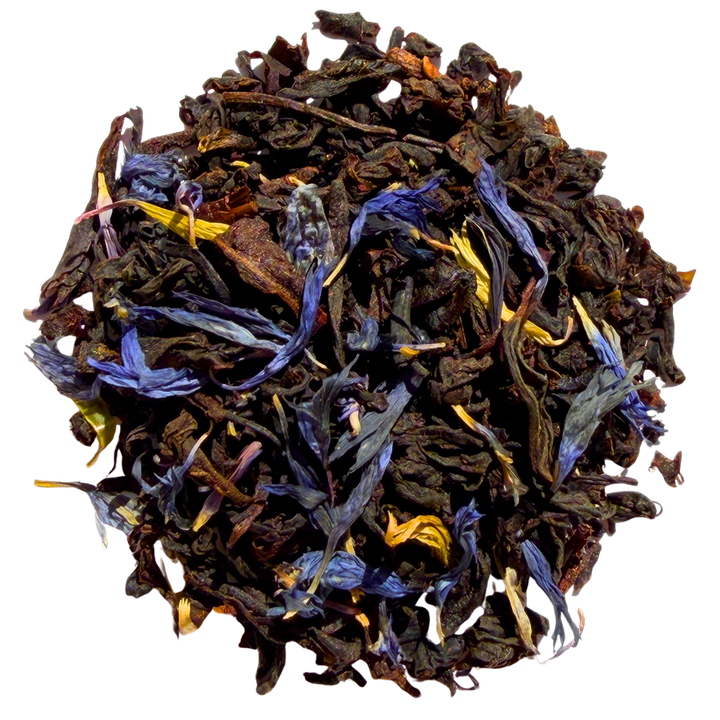
Keemun black tea and rose bring cocoa-like depth and a soft floral scent together.
Have a lookA brief history of Keemun
Keemun's story begins in the mid-1870s. After the region's green tea trade faced competition, local makers adapted techniques from Fujian province and began producing black tea in 1875. The tea quickly gained international recognition and became one of China's three famous black teas, alongside Lapsang Souchong and Yunnan. It found its way into English blends, including some recipes for Earl Grey, and earned a reputation as a tea for people who wanted something more nuanced than the robust Indian styles.
Does Keemun contain caffeine?
Yes. This is black tea made from Camellia sinensis, and it contains caffeine in a typical amount for black tea. The Chinese sinensis varietal tends to have slightly less caffeine than Indian assamica teas, and roughly half what you'd get from a cup of coffee. The exact amount varies with leaf quantity, water temperature and steeping time.
If you're avoiding caffeine altogether, choose a caffeine-free herbal infusion or a tea specifically sold as decaffeinated instead. Our caffeine in tea guide explains the differences in more detail.
What to try next
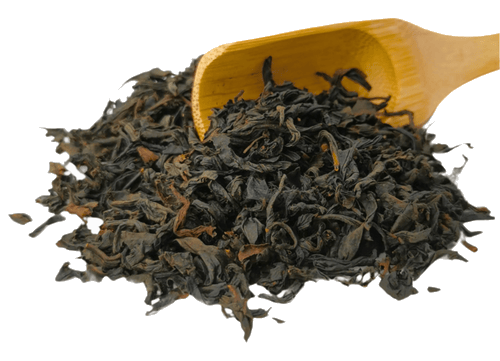
If you like the darker, cocoa-like base of Organic Keemun Panda but want a floral lift, Keemun Rose adds real rose petals for a soft scent that complements the tea without fighting it. For a smoother, almost creamy oolong with gentle caramel sweetness and no astringency, try Quanzhou Milk Oolong. If you prefer something fruitier, Lychee Congou pairs the same Chinese black tea base with lychee sweetness and a gently malty finish.
Still exploring? The Bestsellers Tasting Box is a low-risk way to try five loose-leaf teas side by side, and the Tea Finder can point you toward your next proper brew.

Letterbox gift
Five of our best-selling loose leaf teas in one letterbox box, from a malty breakfast brew to a caffeine-free bedtime cup.
Have a lookOrder loose leaf online at porterhill.co.uk with free UK delivery on orders over £35. Or call into the shop in Byram Arcade, Huddersfield, and we'll talk you through it over the counter.
Frequently asked questions
What is the difference between Keemun and English Breakfast?
Keemun is a single-origin Chinese black tea with a smooth, gently sweet character and wine-like fruit and cocoa notes. English Breakfast is typically a blend of black teas designed to be bolder, maltier and more brisk, built to take milk well. If you like a composed, aromatic cup, Keemun is the better fit. If you want a strong mug for your morning toast, English Breakfast is the more direct choice.
What is Keemun black tea?
Keemun black tea is a Chinese black tea from Qimen County in Anhui province, first produced in 1875. It's known for a smooth, mellow character with cocoa depth, gentle sweetness and wine-like fruit notes. Unlike bolder Indian black teas, it's light enough to drink without milk, though a small splash works if you prefer.
Can you drink Keemun with milk?
Yes. Keemun has enough body to take a small splash of milk without becoming thin or losing its character. However, tasting it plain first lets you appreciate the cocoa and fruit notes before deciding whether milk improves your cup. Change one thing at a time and see what you prefer.
How should you store Keemun tea?
Store the leaf sealed, cool and dry, away from sunlight, steam and strong kitchen aromas. A cupboard away from the kettle and spice rack works well. Proper storage matters more than a decorative caddy that doesn't close properly. The leaf will stay fresh for months if you keep it protected.
Is Keemun the same as Qimen?
Yes. Keemun is the older Western spelling of Qimen, the name of the county in Anhui province where this tea originates. You'll see both spellings used, sometimes with 'Qimen red tea' on Chinese packaging. They refer to the same style of tea.
Sources: Wikipedia