What Is Chai? The Spices, the History and How to Brew It

The word chai simply means tea. If you order a 'chai tea' you are technically asking for 'tea tea', which might raise a smile from anyone who grew up drinking the stuff in India or Pakistan. What most of us mean when we say chai is masala chai: black tea simmered with warming spices, milk and a sweetener. It is one of the world's great comfort drinks, and once you know what goes into it, you can make a better cup than most coffee shops manage.
The tea in this guide: Jasmine Masala Chai from £3.60 Shop it →
So what is chai? It is black tea brewed strong with spices like cardamom, ginger, cinnamon, cloves and black pepper, then combined with milk and usually sweetened. The balance varies by family, region and mood. There is no single correct recipe, which is part of the appeal.
At a glance
- Chai means tea; masala chai means spiced tea
- Core spices: cardamom, ginger, cinnamon, cloves, black pepper
- Black tea (usually Assam or CTC) provides the base
- Traditionally simmered with milk and sweetened with sugar, honey or jaggery
- Caffeine varies but typically 50 to 90 mg per cup, less than coffee
- Originated in India in the early twentieth century as a popular drink
What does chai actually mean?
Chai comes from the Hindi word for tea, which itself derives from the Mandarin word ch'a. Across much of Asia, the Middle East and Eastern Europe, some version of 'chai' or 'cha' means tea. In Britain and the US, chai has come to mean the spiced, milky version, but in India you would ask for masala chai if you wanted the spices. Plain chai there just means a cup of tea.
The term 'chai latte' is a coffee-shop invention. It usually means chai concentrate topped with steamed milk, served in a tall glass. Whether that counts as authentic is a debate best left to people with more time than us.
Where did masala chai come from?
Tea plants grew wild in India's Assam region long before anyone thought to cultivate them. For centuries, Indians used tea leaves as herbal medicine rather than a daily drink. That changed in the 1830s when the British East India Company, worried about China's monopoly on tea, began growing Assamese tea commercially. By 1900, Indian tea had overtaken Chinese tea in Britain: India supplied about half of Britain's tea, with Ceylon providing another third.
But Indians themselves did not drink much tea until the early twentieth century. The Indian Tea Association promoted tea breaks for factory workers and funded independent vendors, the chai wallahs, along railway platforms. These vendors stretched their supplies by using less tea and adding plenty of milk, sugar and spices. The British tea companies were not impressed, but masala chai became a national habit anyway.

A drink shaped by economics
The locally sold tea was often the lower grades, bitter and astringent. Adding milk softened it. Adding spices made it interesting. Adding sugar made it something people actually wanted to drink twice a day. It was practical, affordable and warming. A century later, it still is.
What spices go in masala chai?
There is no single recipe. Every family, every chai wallah, every region has its own version. That said, some spices turn up in almost every pot:
| Spice | Flavour | Notes |
|---|---|---|
| Cardamom | Floral, slightly minty | Often called the queen of spices; crushed pods release more flavour |
| Ginger | Sharp, warming | Fresh ginger is more lively than dried; grate it just before brewing |
| Cinnamon | Sweet, woody | Sticks give a gentler flavour than ground |
| Cloves | Intense, slightly numbing | Go easy; a little goes a long way |
| Black pepper | Warm, spicy | Adds gentle heat without overwhelming |
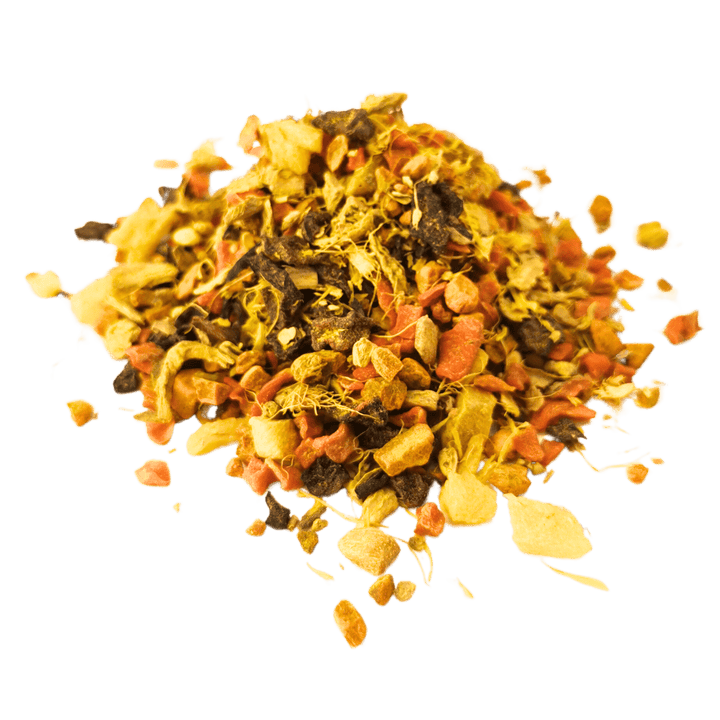
Other additions include star anise, nutmeg, fennel seeds, lemongrass, rose and mint. In Kashmir, chai is made with green tea, a pinch of salt and baking soda, which turns it a surprising pink colour. Western Indian versions often skip the cloves and pepper entirely.

Black Tea
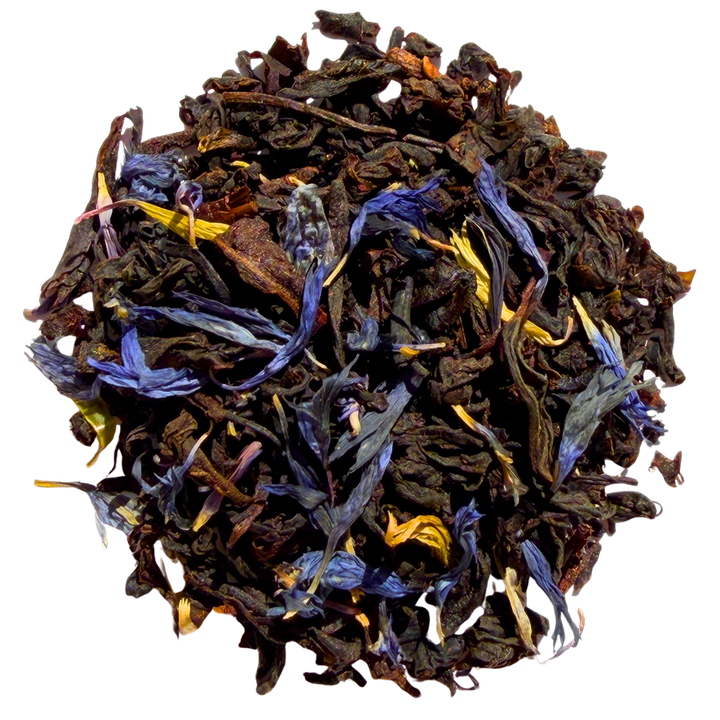
Ginger-led chai spice meets jasmine, rose and lavender for a lighter floral finish.
Have a lookWhat tea is used in chai?
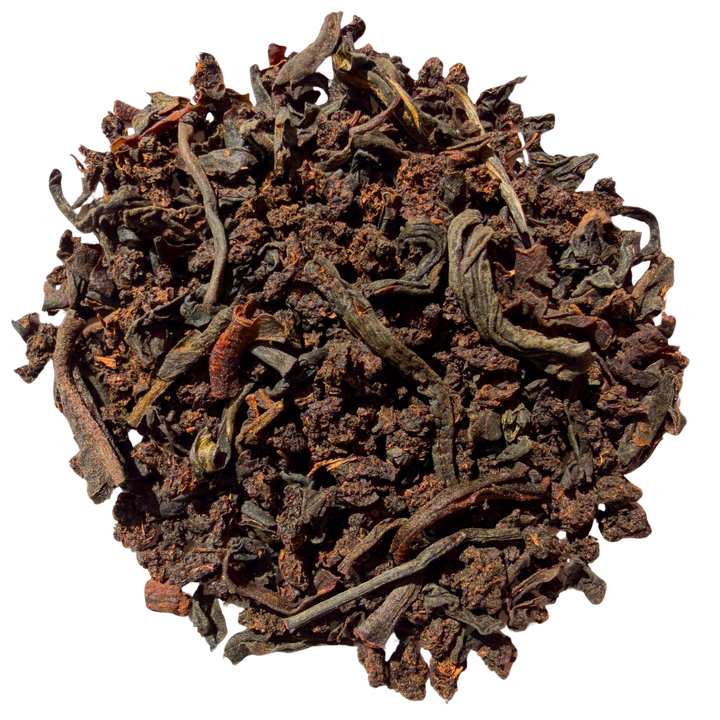
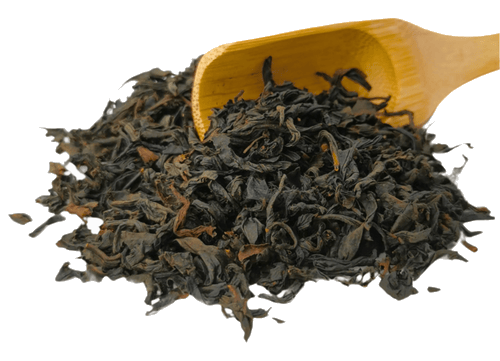
Black tea, almost always. Assam is the most common base because it is malty, robust and stands up to milk and spices without disappearing. Many chai wallahs use CTC tea, which stands for 'cut, tear, curl'. The leaves are processed into small granules that brew quickly and produce a strong, dark cup. It is not fancy, but it does the job.
Darjeeling and Nilgiri teas also appear in chai, though less often. If you want a lighter cup, a Chinese black tea works too, but you will lose some of that malty punch.
How to make masala chai at home
Making chai from scratch takes about ten minutes and very little equipment. Here is a straightforward method for two cups:
- Lightly crush 4 cardamom pods, 2 cloves and 3 black peppercorns with the back of a spoon or a pestle.
- Grate about a thumbnail-sized piece of fresh ginger.
- Put the spices, ginger and one cup of water in a small saucepan. Bring to a simmer and let it bubble gently for two or three minutes.
- Add 2 teaspoons of loose black tea (Assam or a CTC style works well) and simmer for another 2 to 3 minutes until the liquid turns a deep amber.
- Pour in one cup of whole milk. Heat until it just begins to rise, then take it off the heat before it boils over.
- Strain into cups. Add sugar, honey or jaggery to taste.
Taste as you go. If you want more ginger heat, add more ginger. If you find cloves overpowering, use one instead of two. Chai rewards fiddling.
Common mistakes
Boiling the milk too hard gives it a skin and a slightly cooked taste. Letting the tea leaves steep for ages makes it bitter. Adding all the spices ground rather than whole can turn the cup muddy. And forgetting to strain properly means fishing bits of cardamom out of your teeth.
What is chai latte?
A chai latte is chai served with a larger proportion of steamed or frothed milk, usually in a tall glass. Coffee shops often make it from a concentrate or syrup rather than brewing fresh, which is why it can taste sweeter and less spicy than homemade masala chai.
Coffee-shop chai lattes became popular in the late 1990s, according to Consumer Reports. Commercial versions vary wildly in sugar content: some bottled concentrates contain as much added sugar as a soft drink. If you want a chai latte at home without the excess sweetness, brew a stronger concentrate than usual, strain it, then top with frothed milk and sweeten to your own taste.
For a step-by-step guide to making one at home, have a look at our chai latte recipe.
What is dirty chai?
Dirty chai is a chai latte with a shot of espresso added. The coffee cuts through the sweetness and adds a caffeine kick. It is popular with people who cannot quite decide between coffee and tea, or who need a proper wake-up call on a slow morning. We have a full dirty chai recipe if you fancy trying it.
Does chai have caffeine?
Yes. Black tea contains caffeine, so chai does too. A typical cup of black tea has somewhere between 50 and 90 milligrams of caffeine, compared with 80 to 100 mg in a cup of coffee. The exact amount in your chai depends on how much tea you use, how long it brews, and how much milk dilutes it.
If you want the spice without the caffeine, look for a decaffeinated version. Decaf is not zero caffeine, but it is much lower. Our Decaf Masala Chai uses decaffeinated black tea from India and Kenya with ginger, cinnamon, cardamom, pepper, clove and nutmeg. It tastes like proper chai, just without keeping you awake.

Chai tea benefits: what does the research say?
Black tea contains polyphenol antioxidants, and spices like cinnamon and cloves rank highly for antioxidant content in food analyses. Some people claim cardamom aids digestion and ginger settles the stomach. These are traditional beliefs, not proven medical facts.
Tea is a drink, not a medicine. If you have questions about caffeine, pregnancy or any health condition, speak to your GP, pharmacist or midwife. We sell chai because it tastes good and makes a cold afternoon better, not because it will fix anything.
What to try next
If you like warming spices and want to explore, we have a few options worth considering:
Vanilla Chai softens the ginger and cinnamon with vanilla, making it gentler and a little sweeter in aroma. Jasmine Masala Chai takes the ginger-led spice in a more floral direction with jasmine, rose and lavender. For something completely different, Mekong Cinnamon is a caffeine-free herbal infusion with pure cinnamon and no tea at all.
Not sure where to start? The Tea Finder asks a few quick questions and points you toward something you will actually enjoy.

Order loose leaf chai online with free UK delivery on orders over £35. We pack orders by hand in Huddersfield. Or call into the shop in Byram Arcade, Huddersfield, and we will put the kettle on.
Frequently asked questions
What is the difference between chai and masala chai?
Chai simply means tea. Masala chai means spiced tea, the version made with cardamom, ginger, cinnamon and other spices simmered with black tea and milk. In British coffee shops, 'chai' usually refers to the spiced version, but in India you would need to ask for masala chai specifically.
Is chai tea good for you?
Chai contains black tea and spices, both of which have been studied for their antioxidant content. However, tea is a drink, not a health treatment. Enjoy it because you like it. If you have specific health questions, speak to your GP or a registered dietitian rather than relying on a cup of tea.
Can you make chai without caffeine?
Yes. You can use a decaffeinated black tea, which still has a small amount of caffeine but much less than regular tea. Alternatively, brew the spices in milk or water without any tea at all for a completely caffeine-free spiced drink, though it will taste different.
What milk is best for chai?
Whole milk gives the richest, creamiest result. In India, buffalo milk is traditional. Oat milk froths well and works nicely for a plant-based version. Skimmed milk is fine but produces a thinner cup. Use whatever you have and enjoy.
Why is it called dirty chai?
A dirty chai is a chai latte with a shot of espresso added. The 'dirty' refers to the coffee muddying the chai. It gives you the spice and warmth of chai with an extra caffeine boost from the espresso.
How long does chai keep once brewed?
Brewed chai is best fresh. If you make too much, strain out the leaves and spices, let it cool, then refrigerate. It will keep for a day or two but the spices lose their brightness. Reheat gently or serve over ice.
Sources: Wikipedia · Vocabulary.com · Food Network · Consumer Reports