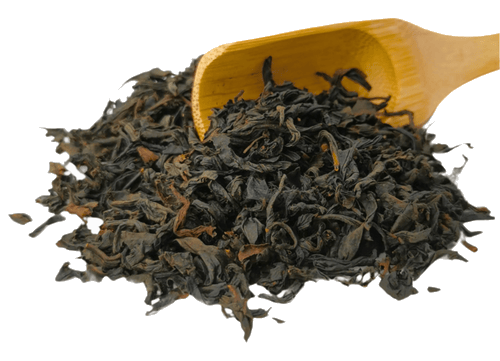
What Is Galangal? The Piney, Peppery Root That Isn't Ginger

You slice into what looks like a pale, smooth piece of ginger, expecting that familiar warm bite. Instead, you get something cooler, sharper, almost like walking into a pine forest after rain. That is galangal: a rhizome in the ginger family that shares a family tree but not a flavour profile. Where common ginger is earthy and sweet, galangal is brighter, drier, with a peppery edge and a citrus lift that catches you off guard.
The tea in this guide: Thai Ginger Root from £3.85 Shop it →
So what is galangal, exactly? It is an underground stem from plants in the Zingiberaceae family, native to Indonesia and cultivated across Southeast Asia for centuries. Thai cooks slice it into tom yum and tom kha gai. Cambodian cooks pound it into kroeung paste. And if you brew the dried root in hot water, you get a clean, aromatic cup with a peppery finish that is nothing like a standard ginger tea.
The confusion between galangal and ginger is understandable. They look similar, they grow similarly, and in English we sometimes call galangal 'Thai ginger' or 'Siamese ginger'. But once you taste them side by side, the difference is obvious. Galangal has a cooling, woodsy aroma that food writer Pailin Chongchitnant describes as reminiscent of a lush pine forest, while ginger brings that rounder, spicier heat you know from ginger biscuits and hot toddies.
At a glance
- Galangal is a rhizome in the ginger family with a piney, peppery, citrus-tinged flavour
- Four plants go by the name, but greater galangal (Alpinia galanga) is the most common
- Used in Thai, Cambodian, Indonesian and Vietnamese cooking for centuries
- Brewed as tea, it makes a caffeine-free cup with a dry, aromatic finish
- Not interchangeable with ginger: the flavours are noticeably different
Galangal vs ginger: what is the difference?
Both are rhizomes, both are in the Zingiberaceae family, and both bring warmth to a dish. That is roughly where the similarities end. Ginger is spicy and earthy with some sweetness and moisture in its fibres. Galangal is denser, drier, with a peppery backbone and a pine-like, citrus-tinged bite.
Fresh ginger has that papery, slightly wrinkled skin you peel before grating. Fresh galangal is smoother and paler, almost waxy, with little need for peeling. The texture is tougher too. Raw galangal pieces are too hard and pungent to eat comfortably, which is why cooks either pound them into pastes or slice them thinly for infusions, then fish the pieces out before serving.

If a recipe calls for galangal and you only have ginger, you can substitute at a pinch, but expect a different dish. The general rule is to use three parts ginger to four parts galangal, and a squeeze of lemon juice can help approximate that citrus edge. It will not taste the same, but it will be good in its own way.
| Feature | Galangal | Common ginger |
|---|---|---|
| Flavour | Piney, peppery, citrus lift | Earthy, spicy, slightly sweet |
| Texture | Dense, dry, tough | Fibrous, moist |
| Skin | Smooth, pale, little peeling needed | Papery, wrinkled, needs peeling |
| Best use | Pastes, infusions, soups (often discarded) | Grated, sliced, eaten in dishes |

Herbal Tea
Despite the name, this is galangal root. Expect aromatic, peppery warmth rather than ordinary ginger.
Have a lookThe four plants called galangal
Walk into an Asian supermarket and you will probably find just one type of galangal, but the name actually covers four distinct plants. Greater galangal (Alpinia galanga) is the most common, a tall plant grown across Indonesia and Thailand. Lesser galangal (Alpinia officinarum) is smaller and more peppery, popular in medieval European cooking before fading from fashion. Fingerroot (Boesenbergia rotunda) looks like a cluster of fingers and goes by the Thai name krachai. And sand ginger or kencur (Kaempferia galanga) is sometimes called black galangal, though it is a different thing again.
For most home cooks and tea drinkers, greater galangal is the one to know. It is what you will find in 99.9 per cent of Asian grocery stores, even if the label says something else. If you are making Thai curry paste or brewing a pot of galangal tea, this is almost certainly what you are working with.
A brief history of galangal
Galangal originated in Indonesia and spread through trade routes across Southeast Asia, where it became essential to Thai, Cambodian, Vietnamese and Malay cooking. In Thai, it is called kha. In Indonesian, lengkuas or laos. The rhizome appears in tom yum, tom kha gai, Vietnamese tré, Indonesian soto, and the spice pastes that form the backbone of regional cuisines.
Lesser galangal had a surprising second life in medieval Europe, where it was popular enough to appear in recipes and medicinal texts. It faded from European kitchens over the centuries, replaced by more familiar spices, but it never left Southeast Asia. Today, galangal even turns up in Żołądkowa Gorzka, a Polish vodka flavoured with the root. It is one of those ingredients that has been quietly going about its business for a very long time.
What does galangal taste like?
Imagine ginger's warmer, earthier cousin standing next to galangal at a family gathering. Galangal is the cooler one, the one who smells faintly of pine needles and citrus zest. The flavour has been described as 'flowery', 'like ginger with cardamom', and 'like peppery cinnamon'. There is a sharpness that is almost medicinal, but in a bracing, refreshing way rather than an unpleasant one.
Brewed as a tea, dried galangal gives a clean cup with aromatic warmth, a dry peppery finish, and none of the fuller sweetness you get from common ginger. It is best plain the first time so you can appreciate what makes it different. Lemon sharpens it. Honey softens the heat. Milk is possible but hides the brighter notes that make galangal worth trying.
How to brew galangal tea
Galangal tea is straightforward to make and naturally caffeine-free. The dried root needs space to unfurl and release its flavour, so a roomy basket infuser works better than a cramped tea ball.
- Measure one teaspoon of dried galangal per cup into your infuser
- Pour freshly boiled water over the root
- Steep for three to four minutes
- Strain and taste
- Add lemon or honey if you like, or drink it plain
For a stronger, more peppery cup, add a little more galangal or steep for an extra minute. For something lighter, shorten the time. The dried pieces keep their flavour well, so there is room to experiment. You can also cold-brew galangal by steeping the same amount in cold water in the fridge for several hours or overnight. It makes a refreshing summer drink with a subtler, mellower character.
Common mistakes when using galangal
The biggest mistake is treating galangal exactly like ginger. They are not interchangeable. Galangal's tougher texture means it needs to be sliced very thinly or pounded into a paste if you want to eat it. In soups and broths, the pieces are usually left in for aroma but discarded before serving, because biting into a chunk of galangal is an unpleasant surprise.
Another mistake is expecting dried galangal to taste identical to fresh. Dried and powdered forms lose some of the brighter, more volatile flavour notes. They are still useful, just gentler. If you are used to fresh galangal from the market, start with a bit more dried to get the intensity you want.
Finally, some people assume galangal tea will taste like a ginger tea with extra heat. It does not. The flavour profile is different enough that it is worth approaching with an open mind rather than direct expectations.

Herbal Tea
Bright lemon and warming ginger. A straightforward, zingy cup for whenever you fancy it.
Have a lookIs galangal good for you?
Galangal has been used in traditional medicine across Southeast Asia and China for a very long time, with traditional Thai medicine incorporating it as part of a healthy diet for thousands of years. Some small studies have looked at potential antifungal, antibacterial and anti-inflammatory effects in laboratory settings, and extracts have affected cancer cells in test tubes, but none of this has been demonstrated in humans.
What does that mean for you? It means galangal is a lovely ingredient to cook with and a pleasant caffeine-free drink, but it is not medicine. If you have questions about your health, speak to your GP, pharmacist or midwife. Enjoy galangal for its flavour and aroma, and leave the health claims to properly designed clinical trials that have not happened yet.
What to try next
If you enjoy galangal's warming spice and peppery finish, Kadha Tonic is worth a look. It is a blend of ginger, tulsi and warming spices for cold evenings when you want something with proper heft. For a similar citrus edge but softer warmth, Lemon & Ginger is straightforward and zingy. And if you want something with a rich natural sweetness and anise-like flavour, Liquorice Root is another caffeine-free option with a strong personality.
Not sure where to start? The Caffeine-Free Tasting Box gives you five herbal teas side by side, or you can try the Tea Finder quiz to narrow things down.
We send loose leaf tea out with free UK delivery on orders over £35. You are also welcome to call into the shop in Byram Arcade, Huddersfield, if you want to talk through the teas or pick up a pouch in person. The kettle's always on.
Frequently asked questions
Is Thai ginger root the same as galangal?
Yes. Thai ginger, Siamese ginger and galangal all refer to the same plant, Alpinia galanga. The 'ginger' in the name points to its family relationship and hints at its culinary role, but the flavour is distinctly different from common ginger: brighter, more piney and peppery.
Can I substitute ginger for galangal?
You can, but expect a different result. Use about three parts ginger to four parts galangal, and add a squeeze of lemon juice to approximate the citrus edge. The dish will taste good, just not quite the same as it would with real galangal.
Is galangal tea caffeine-free?
Yes. Galangal is an herbal infusion with no tea leaf, so it contains no caffeine at all. That makes it a good choice for evenings or for anyone avoiding caffeine. It is different from decaffeinated tea, which may still contain trace amounts.
How should I store dried galangal?
Keep dried galangal in a sealed container away from light and moisture. Stored properly, it will hold its flavour for a year or more. If it smells faint when you open the tin, it is past its best and worth replacing.
Can I eat galangal pieces in soup?
You can, but most people do not enjoy it. The pieces are tough and intensely pungent. Traditional Thai recipes leave galangal slices in the bowl for presentation but expect diners to push them aside. If you want to eat it, pound it into a fine paste first.
Sources: Wikipedia · Hot Thai Kitchen · The Spruce Eats · Merriam-Webster · Cambridge Dictionary