Raw Honey: What It Means, How to Use It, and Why It Crystallises

Raw honey is honey that has not been heated above hive temperature or finely filtered. That is the short answer. The longer one involves bees, beekeepers, a bit of chemistry, and the question of what ends up in your jar versus what started in the honeycomb. If you have ever wondered whether the cloudy stuff is better than the clear, or why your jar turned solid in the cupboard, this guide covers it.
The tea in this guide: Holme Valley Summer Blossom Honey 340g from £11.00 Shop it →
There is no legal definition of 'raw' in the UK or the US, so what you see on the label depends on the producer. Generally, raw honey is strained through mesh to remove wax and debris but not pasteurised, which means it keeps more of its original character: slightly thicker, often opaque, and with a flavour that changes depending on what the bees visited that season.
At a glance
- Raw honey is not heated or finely filtered after extraction
- There is no official UK or US legal definition of 'raw'
- Crystallisation is natural and does not mean honey has gone off
- Never give any honey to children under 12 months
- Store sealed at room temperature; shelf life is effectively indefinite
- Lighter teas let honey's flavour come through
What is raw honey, exactly?
Raw honey is honey 'as it exists in the beehive', according to Healthline's comparison of raw and regular honey. Beekeepers extract it from the comb, strain it through mesh or cloth to remove beeswax and debris, and bottle it without pasteurising. That is the whole process.
Regular supermarket honey usually goes through more steps. Heat treatment kills yeast cells that could cause fermentation, makes the honey clearer and runnier, and extends shelf life. Some commercial honey is also ultra-filtered, which removes pollen and produces a very smooth, transparent product. Studies have found that a significant proportion of mass-produced honey contains no detectable bee pollen at all.
The word 'pure' on a label only means nothing has been added; it does not tell you whether the honey was heated. 'Organic' refers to farming practices at the hive, not processing, so organic honey may still be pasteurised. If you want raw honey, look specifically for 'raw' or 'unpasteurised' on the jar.
Raw honey versus regular honey
The practical differences come down to texture, flavour and what survives processing.

| Feature | Raw honey | Regular honey |
|---|---|---|
| Appearance | Thick, often cloudy or opaque | Clear, runny, smooth |
| Heating | Not heated above hive temperature (about 35°C / 95°F) | Heated to 65–85°C to kill yeast and slow crystallisation |
| Filtration | Strained to remove wax and debris; pollen usually remains | Often ultra-filtered; pollen may be removed |
| Crystallisation | Happens faster in some batches | Slower due to processing |
| Flavour | Varies by flower source; can be more complex | More consistent year to year |
A 2023 review cited by Healthline found that heat-processing methods degrade some antioxidants, while non-thermal methods do not. That said, researchers at WebMD note that processing does not appear to affect honey's basic nutritional value in terms of calories, carbohydrates or minerals.

Honey
Holme Valley Summer Blossom Honey 340g
Summer blossom honey from Holme Valley. Spoon it over breakfast or keep it close to the toast.
Have a lookWhy does honey crystallise?
Crystallisation is not a sign of spoilage. Honey is a supersaturated sugar solution, and over time the glucose forms crystals that make the honey grainy or solid. Some honeys crystallise within weeks; others stay liquid for months. It depends on the ratio of glucose to fructose and how the honey was stored.
Raw honey often crystallises faster than pasteurised honey because it has not been heated to dissolve those early crystal seeds. Storing honey somewhere cool speeds up the process; warmth slows it down.
To soften crystallised honey, stand the jar in warm water or leave it near a radiator for a while. Avoid microwaving or rapid heating, which can damage the more delicate flavours. The honey is perfectly safe to eat in its grainy state if you prefer it that way.
Does honey ever go off?
Honey has a very low water content (typically around 18 per cent) and high acidity, which makes it inhospitable to bacteria and fungi. According to The Spruce Eats, honey generally has an indefinite shelf life because of its chemical composition. Archaeologists have found honey in Egyptian tombs that was still edible after thousands of years, though 'edible' and 'delicious' are not the same thing.
Fermentation can happen if the honey absorbs too much moisture, usually from being left unsealed. Naturally occurring yeast spores from the nectar can multiply and give the honey an off taste. It is not dangerous, just unpleasant. Keep the lid on and store the jar in a dark cupboard.
Commercial jars carry a best-before date, which is a guide to when the flavour is at its best rather than a safety deadline.
Local honey and the hay fever myth
You have probably heard that eating local honey helps with hay fever because it contains pollen from nearby plants. It is a nice idea, but there is no evidence that consuming local bee pollen through honey improves allergic rhinitis.
Worse, bee pollen in honey has caused severe allergic reactions in some people, including anaphylaxis. If you have a pollen allergy or a history of anaphylaxis, speak to your GP before trying raw honey or other bee products.
That does not mean local honey is a waste of time. It tastes like the place it came from, supports small-scale beekeeping, and often has more character than mass-produced blends. Just do not expect it to cure your sneezing.
Honey in tea: which brews work best?
Honey and tea are old friends, but the pairing works better with some teas than others. A strong, smoky Lapsang Souchong will flatten most honeys; a delicate white tea lets them shine.
Lighter teas
Floral whites, jasmine greens, and gentle Earl Greys give honey room to show off. Yorkshire Fog Earl Grey has bergamot and vanilla notes that complement a summer-blossom honey without competing. Lychee and Jasmine Green is another good match: fruity sweetness with a soft floral scent.
Bolder teas
If you prefer a stronger brew, look for teas where citrus or floral notes lift the honey. Earl of Colne Valley balances malty Assam with bright bergamot, so the honey adds sweetness without disappearing.
Teas to avoid
Very smoky or heavily spiced teas tend to bury honey's subtleties. If you are reaching for the honey jar, you probably want to taste it.

Black Tea
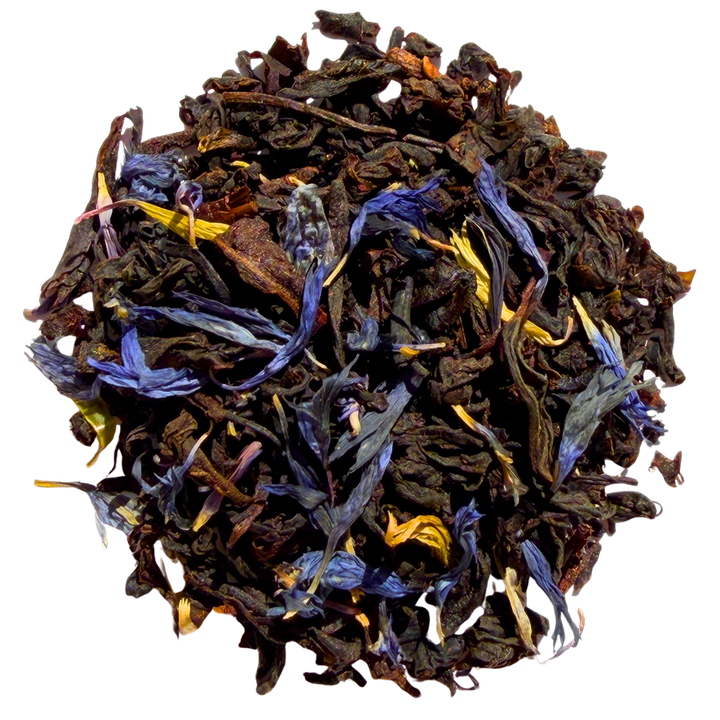
Bergamot and vanilla soften into a fragrant black tea blend. Yorkshire fog you can see through.
Have a lookA practical tip
Add honey after the tea has cooled slightly. High temperatures can diminish the more delicate flavours. Start with less than you think you need; honey is sweeter than sugar, and it is easier to add more than to fix an over-sweet cup.
Common mistakes with raw honey
- Heating it too quickly. Microwaving crystallised honey or dunking the jar in boiling water can damage the flavour. Warm water and patience work better.
- Leaving the lid off. Honey absorbs moisture from the air. A sealed jar in a dark cupboard will last indefinitely; an open jar on the counter may ferment.
- Giving it to babies. All honey, raw or pasteurised, can contain spores of Clostridium botulinum. Infants under 12 months should not eat honey in any form, including cooked or baked goods. NHS guidance is clear on this.
- Expecting health miracles. Honey is still sugar. It contains fructose and glucose, and your body processes it in much the same way as table sugar. Enjoy it for the flavour, not as a health food.
A brief history of honey
Humans have been eating honey for at least 8,000 years, according to Medical News Today. Rock paintings in Spain show early honey hunters climbing to wild hives. Originally, all honey was raw; pasteurisation and ultra-filtration are modern inventions designed for consistency and shelf stability.
There are more than 300 varieties of honey marketed in the United States alone, and the UK has its own regional styles: heather from the moors, borage from southern fields, and mixed-blossom honeys like the summer-blossom from the Holme Valley that changes character with each harvest.
How to spot adulterated honey
Honey fraud is a real problem. A 2024 study cited by Healthline estimated that about 10 per cent of honey globally is adulterated with cheaper sweeteners like cane sugar or high-fructose corn syrup. An older 2002 survey found 71 per cent of US honey packers had adulterated honey in their supplies at some point.
Buying from small local beekeepers is the easiest way to avoid it. The honey you buy at a farmers' market or from a Yorkshire producer is almost always genuine, and you can often ask the beekeeper where the hives are and what the bees foraged on.
What to try next
If you want to taste what local honey is about, the Holme Valley Summer Blossom Honey is in the shop and online now. It is a record of what bloomed in the Holme Valley that year: sometimes clover, sometimes bramble, always different.
The Breakfast Tea and Honey Gift Set pairs a robust loose-leaf breakfast tea with a jar of local honey, which makes a good gift or a decent excuse to treat yourself.
For something different, Honeyed Peach is a caffeine-free herbal tea with peach, honeybush, green rooibos and tangerine. It has a natural sweetness that works with or without added honey.
Not sure where to start? The Tea Finder will point you in the right direction based on what you normally drink.

we pack orders by hand in Huddersfield, and delivery is free on orders over £35. If you are local, call into the shop in Byram Arcade, Huddersfield, and taste a few teas before you commit. The kettle is always on.
Frequently asked questions
What is the difference between raw and unfiltered honey?
Raw honey has not been heated above hive temperature (about 35°C). Unfiltered honey may or may not have been heated but has not had its pollen removed by fine filtration. Some honey is both raw and unfiltered; others are one or the other. The labels are not regulated, so check the producer's description.
Is raw honey better than regular honey?
Raw honey retains more of its original character, including pollen, and may have a more complex flavour. Whether that makes it 'better' depends on what you are after. Regular honey is more consistent and often cheaper. Neither is a health food; both are mostly sugar.
Where can I buy local raw honey near me?
Farmers' markets, independent food shops, and small beekeepers are the best bets. In Yorkshire, you can find summer-blossom honey from the Holme Valley at Porter Hill in Huddersfield or online. Asking for 'raw' or 'unpasteurised' on the label helps.
Can I use raw honey in tea instead of sugar?
Yes. Add it after the tea has cooled slightly to preserve the more delicate flavours. Honey is sweeter than sugar, so start with half a teaspoon and adjust. It works best in lighter teas where you can actually taste it.
Why has my raw honey gone solid?
Crystallisation is natural and does not mean the honey has gone off. Glucose in the honey forms crystals over time, especially in raw honey that has not been heat-treated. Stand the jar in warm water to soften it, or spread it on toast as it is.
Is honey safe for children?
Honey should not be given to children under 12 months because of the rare risk of infant botulism from Clostridium botulinum spores. After their first birthday, honey is fine. Full guidance is available from the NHS.
Sources: Healthline · Medical News Today · The Spruce Eats · WebMD · NHS