What Tea Is Good for Stress? A Ranked Guide to the Best Herbal Teas

The kettle clicks off and you stand there, box of tea in hand, wondering which one might actually help after a long day. Type 'what tea is good for stress' into Google and you will find a hundred articles promising miracle cures. The honest answer is simpler: any hot drink you enjoy, made slowly, sipped without your phone, probably does more for stress than any single ingredient. That said, some herbal teas taste genuinely good, and choosing the right one for your palate matters more than chasing health claims.
The tea in this guide: Organic Chamomile Tea from £5.45 Shop it →
This guide ranks the best herbal teas by flavour, tells you exactly what each tastes like, and explains what research has actually looked at. We make no promises about curing anything. We do know which cups are worth your time.
At a glance
- Herbal teas are tisanes, not true tea: they contain no Camellia sinensis
- Almost all are naturally caffeine-free, with yerba mate and guarana as exceptions
- Choose by taste: soft floral, bright mint, mellow red bush, fruity or tart
- Research has looked at chamomile for sleep and hibiscus for blood pressure, but evidence is limited
- Tea is a drink, not a medicine. Speak to a GP about health concerns
What makes a herbal tea a herbal tea?
Strictly speaking, herbal teas are not tea at all. True tea comes from the leaves of Camellia sinensis, the plant behind black, green, white and oolong. Herbal teas, properly called tisanes, are infusions of dried fruits, flowers, spices, herbs, bark or roots. The word 'tea' stuck because we steep them the same way and drink them from the same mugs.
This distinction matters because tisanes behave differently. They contain no caffeine unless something caffeinated has been added, and their flavours range wildly. Chamomile tastes nothing like hibiscus, and neither tastes like peppermint. If you want more on the terminology, our guide to tisanes explains the whole thing.
The best herbal teas, ranked by taste
We have tasted these side by side, brewed according to the instructions, and ranked them by how enjoyable they are as a drink. Flavour first, everything else second.

| Tea | Taste profile | Water temp | Steep time | Best for |
|---|---|---|---|---|
| Chamomile | Soft floral, apple-like | 100°C | 4–5 min | Evenings, gentle cups |
| Peppermint | Bright, cooling menthol | 100°C | 3–4 min | After meals, freshness |
| Rooibos | Woody, honeyed, mild | 100°C | 5–7 min | Milk drinkers, all day |
| Hibiscus | Tart, cranberry-sharp | 100°C | 5–8 min | Iced drinks, bold cups |
| Lemon and ginger | Zingy, warming | 100°C | 5–6 min | Cold mornings, a lift |
1. Chamomile: for a soft, floral cup
Organic Chamomile Tea brews a golden cup with gentle floral character and a mild apple note that sits quietly on the tongue. It is easy to drink plain, and the aroma alone feels like a slow exhale. A 2024 review of clinical studies found chamomile may help people stay asleep and reduce nighttime wakings, though the researchers noted more work is needed.
If you dislike floral flavours, do not buy chamomile just because it appears on bedtime lists. And if you are allergic to ragweed or related plants, take care: chamomile belongs to the same family and may trigger a reaction.

Herbal Tea
Whole chamomile flowers brew a golden cup with soft floral and apple-like notes.
Have a look2. Peppermint: for a cool, clean finish
Peppermint Tea is the choice when you want something bright rather than cosy. The menthol hits first, then fades to a cool, fresh finish. It is pleasant after a heavy meal, and the aroma clears the head even before you take a sip.
Peppermint oil preparations have been studied for indigestion and irritable bowel syndrome, though Healthline notes it is unclear whether tea contains enough oil to produce the same effects as concentrated supplements. Still, as a drink, it is crisp and satisfying.
3. Rooibos: for a rounded cup with milk
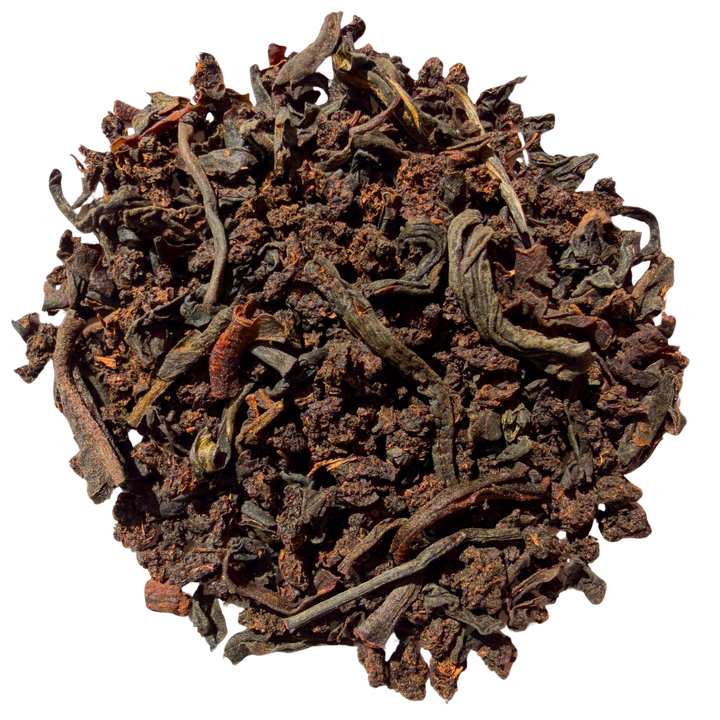
Rooibos comes from South Africa and brews a warm amber cup with a mellow, gently sweet body. It will not taste exactly like breakfast tea, but it has a similar shape and takes a splash of milk without complaint. The woody, honeyed character is its own appeal.
Rooibos is naturally low in tannins, which means it will not turn bitter if you forget about it for a few extra minutes. Research from 2016 found possible anti-allergy effects, and a 2018 study looked at bone health, though both need more investigation.

Rooibos Tea
Plain red rooibos makes a mellow amber cup with woody sweetness. Naturally caffeine-free.
Have a look4. Hibiscus: for a tart, ruby cup
Organic Hibiscus Tea brews a striking red infusion with cranberry-like sharpness. If you enjoy sour sweets or a good squeeze of lemon, this is your tea. If not, a little honey softens the edge, or try it in a fruit blend.
Some studies suggest hibiscus tea may help lower blood pressure in people with mild hypertension, though the evidence is still limited. Healthline notes it may interact with diuretics, so check with a pharmacist if that applies to you. As a drink, it works beautifully over ice on a warm afternoon.
5. Lemon and ginger: for a zingy lift
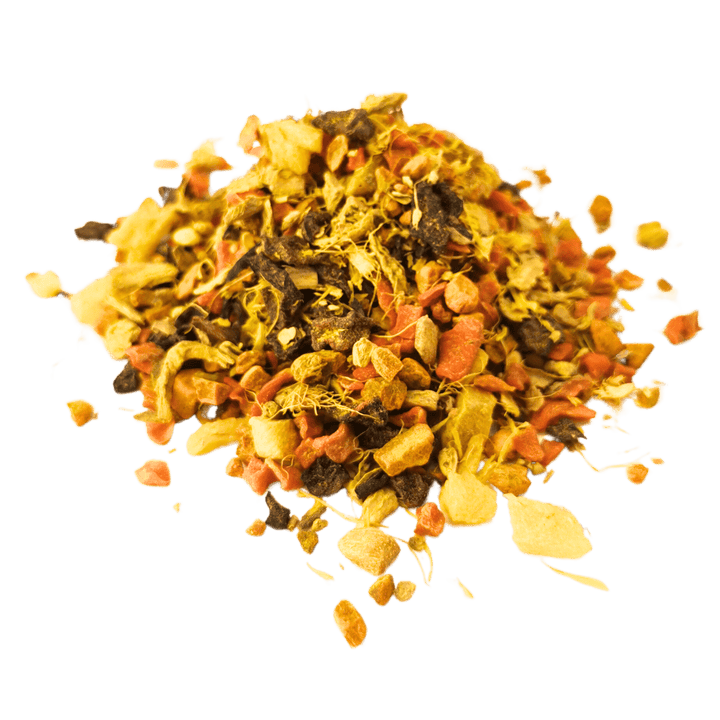
Lemon and Ginger Tea is the one you reach for on a grey Tuesday when the rain has not stopped since breakfast. The ginger warms the chest, the lemon lifts the mood, and the combination is straightforward without being boring.
Ginger contains gingerol, described by Harvard Health as the main bioactive compound in ginger root. Research on ginger, though not specifically ginger tea, suggests possible benefits for nausea, but the same source warns it may slow blood clotting and interact with anticoagulants. Speak to a GP if you take blood-thinning medicines.
Best herbal tea for sleep and anxiety
The honest answer is that no tea will cure insomnia or anxiety. What tea can do is replace a caffeinated drink in the evening and give you a reason to sit still for ten minutes. That is worth something.
Chamomile is the one most studied for sleep. Drinking it one to two hours before bed, as part of a calming routine, is more useful than expecting it to work like a sleeping pill. Our tea-before-bed guide goes into the evidence and timing in more detail.
If you are looking for something to wind down with, the Sweet Dreams blend combines chamomile with apple sweetness and cooling mint. It is gentle and caffeine-free, designed for late evenings rather than miracle cures.
What does the research actually say?
We are a tea shop, not a clinic, so we will keep this brief and honest. Research has looked at chamomile for sleep, hibiscus for blood pressure, peppermint for digestion, and ginger for nausea. Most studies use concentrated extracts rather than brewed tea, and sample sizes are often small.
Harvard Health puts it plainly: herbal teas should be consumed in moderation with medical approval and are not substitutes for medical treatment. If you have a health concern, speak to a GP or pharmacist. If you want a nice drink, carry on reading.
Common mistakes when brewing herbal tea
The most common mistake is not steeping long enough. Herbal teas need time to release their flavour because there are no tea leaves doing the heavy lifting. Four to five minutes is usually the minimum; some, like hibiscus, benefit from eight.
The second mistake is expecting them to taste like 'real' tea. They are not tea. Rooibos is not trying to be English Breakfast, and chamomile is not a weak cuppa. Judge them on their own terms.
Third: skipping the lid. A small plate or saucer over your mug traps steam, keeps the water hot, and captures volatile oils that would otherwise float away. Your cup will taste stronger and smell better.
A brief history of herbal tea
People have been steeping plants in hot water for nearly as long as recorded history tells us. Expert Reviews notes that ancient Egyptian documents mention linseed, cannabis and thyme teas, while Chinese tea ceremonies involving lavender, honeysuckle and jasmine trace back to ancient China.
The modern herbal tea industry took shape in the 1960s and 70s. Celestial Seasonings was founded in Boulder, Colorado in 1969 and remains the oldest US herbal tea company; Traditional Medicinals followed in 1974. In the UK, herbal teas have since become a supermarket staple.

Letterbox gift
Five caffeine-free herbal teas for evenings, after dinner or all day: mint, chamomile, fruit and ginger.
Have a lookWhat to try next
If you want to start with the classics, Organic Chamomile Tea and Peppermint Tea are the two most versatile choices. Rooibos suits anyone who misses the body of a black tea but needs to avoid caffeine. For something fruitier, Raspberry Lemon Verbena works hot or iced.
If you cannot decide, the Caffeine-Free Tasting Box contains five different herbal teas in one letterbox-sized parcel. You can also browse the full caffeine-free range or try the Tea Finder if you want a recommendation based on what you already like.
we pack orders by hand in Huddersfield, and UK delivery is free on orders over £35. You can also call into the shop in Byram Arcade, Huddersfield, and try a few samples before you buy. The kettle is always on.
Frequently asked questions
What tea is good for stress?
No tea cures stress, but chamomile and peppermint are popular choices for winding down because they taste gentle and contain no caffeine. The act of making tea slowly, sitting down and taking a break probably helps more than any single ingredient. Choose by flavour rather than health claims.
What herbal tea is best for sleep and anxiety?
Chamomile is the most studied herbal tea for sleep. A 2024 review found it may help people stay asleep and reduce nighttime wakings. Drinking it one to two hours before bed, as part of a calming routine, is more useful than expecting it to work like a sleeping pill. Speak to a GP about persistent sleep problems.
Is herbal tea actually caffeine-free?
Almost all herbal teas are naturally caffeine-free because they contain no Camellia sinensis. The exceptions are yerba mate and guarana, which are naturally caffeinated. Some blends mix herbal ingredients with true tea, so check the label if caffeine matters to you.
Can I drink herbal tea while pregnant?
Some herbal teas are considered safe in moderation during pregnancy, but others should be avoided. Chamomile may interact with certain medicines, and some herbs are not recommended at all. Our pregnancy and caffeine guide has more detail. Always check with a midwife or GP first.
Does rooibos taste like normal tea?
No, but it has a similar rounded body and takes milk well. Rooibos is woody and gently sweet with a soft honeyed character, not the malty, brisk notes of black tea. It is a good option if you want a milky cup without caffeine, as long as you accept it on its own terms.
Which herbal tea is best over ice?
Hibiscus works beautifully over ice, with its tart ruby flavour becoming even more refreshing when cold. Raspberry Lemon Verbena and peppermint also make excellent iced drinks. Brew them hot as usual, let the cup cool, then pour over ice.
Sources: Healthline · Harvard Health · Expert Reviews